The Truth About the Mini Doberman Pinscher
Published
Discover the truth about the mini Doberman Pinscher, including how the Miniature Pinscher differs from the standard Doberman in size and temperament.
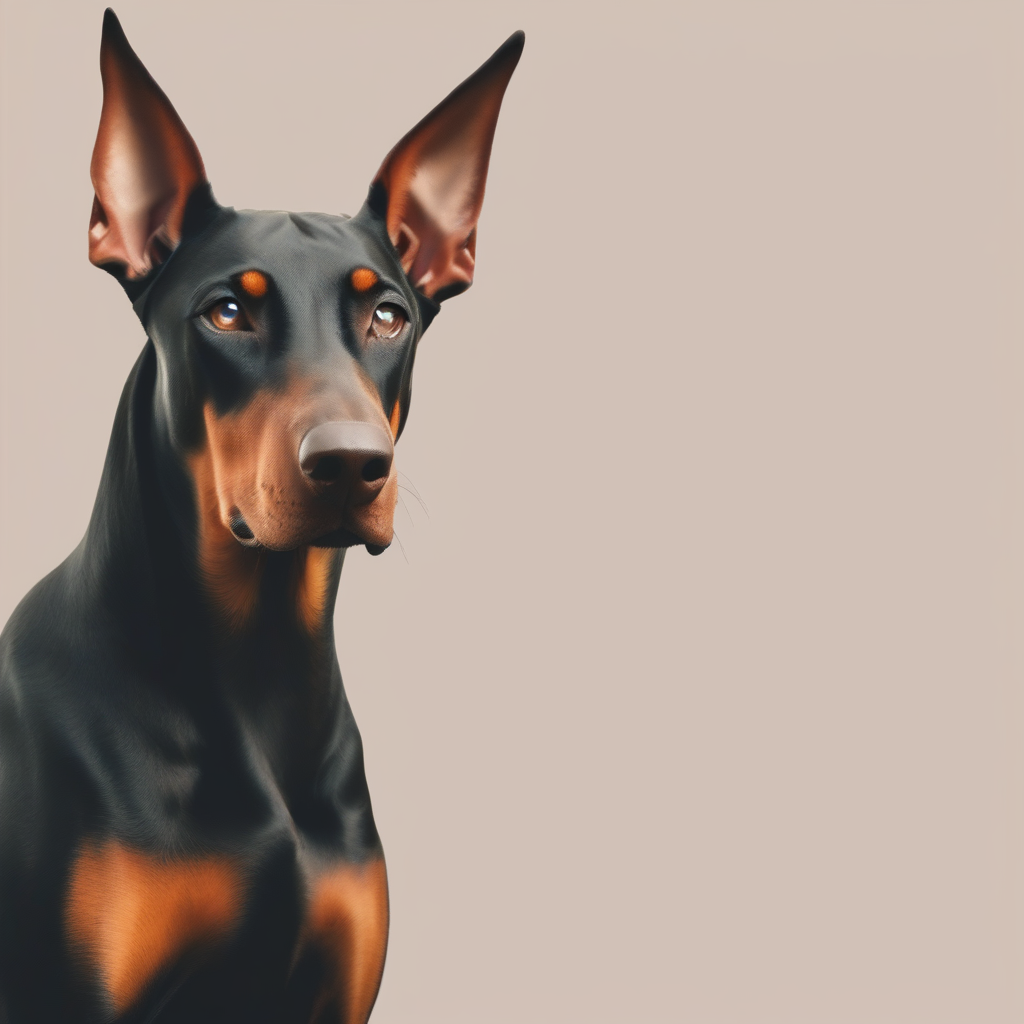
The Misconception of the Mini Doberman Pinscher
If you have ever seen a tiny, sleek, energetic dog that looks exactly like a scaled-down Doberman, you might have assumed you were looking at a "mini Doberman Pinscher." It is one of the most common misconceptions in the canine world. The truth is, there is no recognized breed called a miniature Doberman. The dog you are likely admiring is the Miniature Pinscher, affectionately known as the Min Pin.
Despite their striking physical resemblance, these two breeds have distinct histories, temperaments, and care requirements. Whether you are looking to bring a compact companion into your apartment or simply want to understand the differences between these two elegant dogs, it is essential to separate fact from fiction. Let us dive into the fascinating world of the Miniature Pinscher and see how it compares to its much larger lookalike.
History: Which Came First?
It is a logical assumption that the Miniature Pinscher was bred down from the standard Doberman to create a more compact version. However, history tells a completely different story. The Miniature Pinscher actually predates the Doberman Pinscher by several decades, if not centuries.
Originating in Germany, the Min Pin was bred primarily as a ratter to hunt vermin in homes and stables. They are believed to be a mix of the Dachshund, the Italian Greyhound, and the smooth-haired German Pinscher. On the other hand, the Doberman was created in the late 19th century by Karl Friedrich Louis Dobermann, a tax collector who wanted a formidable, loyal protection dog. According to authoritative kennel clubs like the American Kennel Club, the two breeds share a common ancestor in the German Pinscher, which explains their similar black and rust coloring and sleek coats, but they are entirely separate breeds.
Comparing Size and Physical Traits
The most obvious difference between the two breeds is their size. To truly appreciate the contrast, it helps to review a Doberman Pinscher Size Guide and Growth Chart. A standard male Doberman can stand up to 28 inches at the shoulder and weigh between 75 and 100 pounds. They are muscular, powerful, and built for endurance and speed.
In stark contrast, the Miniature Pinscher is a toy breed. They typically stand between 10 and 12.5 inches tall at the shoulder and weigh a mere 8 to 10 pounds. Despite their small stature, Min Pins are sturdy and robust. They possess a unique, high-stepping "hackney" gait, which makes them look incredibly proud and animated as they trot around the house.
Temperament: Big Dog Personality in a Small Package
If you read a Complete Guide to Doberman Pinscher Temperament, you will learn that standard Dobermans are known for their fierce loyalty, intelligence, and protective instincts. They are working dogs that thrive on having a job to do and are deeply devoted to their families.
The Miniature Pinscher, often called the "King of Toys," shares some of that fearless attitude but channels it differently. Min Pins are notoriously confident, curious, and independent. They have no idea they are small dogs and will confidently stand their ground against much larger animals. While they are affectionate with their owners, they can be stubborn and require consistent, patient training.
6 Essential Tips for Raising a Miniature Pinscher
While we often discuss the Ultimate Guide to Raising a Doberman Puppy, raising a Min Pin requires its own set of specialized strategies. Here are six practical tips for managing this spirited toy breed:
- Secure Your Yard Completely: Min Pins are notorious escape artists. Because of their small size and high prey drive (thanks to their rat-hunting heritage), they will squeeze through tiny gaps in fences to chase a squirrel. Ensure your yard is perfectly secure.
- Invest in Winter Wardrobes: Unlike larger working dogs, Min Pins have very little body fat and a thin, single coat. They get cold very easily. Providing them with sweaters and coats during winter walks is a necessity, not just a fashion statement.
- Prioritize Early Socialization: Because they are so confident and sometimes territorial, early socialization is critical. Introduce them to various people, dogs, and environments while they are young to prevent small-dog syndrome and excessive barking.
- Use Positive Reinforcement: Min Pins are smart but stubborn. Harsh training methods will cause them to shut down. Use high-value treats and keep training sessions short, fun, and engaging.
- Monitor Their Diet Closely: It is incredibly easy to overfeed a 10-pound dog. Even a few extra ounces can put severe strain on their tiny joints. Measure their food carefully and limit table scraps.
- Provide Plenty of Mental Stimulation: They may be small, but they are highly active. Puzzle toys, indoor fetch, and scent games will help burn off their abundant energy and keep them out of mischief.
Are There Actual Miniature Doberman Mixes?
While the Min Pin is its own purebred dog, some breeders do attempt to create smaller versions of the Doberman by crossbreeding. If you are interested in dogs that actually share Doberman DNA but come in a smaller package, you might want to explore explore more Miniature Doberman Mixes. These mixes often combine a Doberman with smaller breeds like Beagles or Terriers. However, it is important to remember that mixed breeds can inherit any combination of traits from their parents, making their adult size and temperament less predictable than a purebred dog.
Health and Lifespan Considerations
When looking at the Understanding the Average Doberman Lifespan and Health, we see that standard Dobermans typically live between 10 and 12 years and are prone to specific large-breed issues like dilated cardiomyopathy (DCM) and hip dysplasia.
Miniature Pinschers generally enjoy a longer lifespan, often living 12 to 16 years. As a smaller breed, they bypass many of the heavy-weight joint issues of the Doberman, but they have their own health concerns. Min Pins can be susceptible to patellar luxation (slipping kneecaps), Legg-Calve-Perthes disease, and progressive retinal atrophy (PRA). Regular veterinary check-ups and a solid routine found in a comprehensive Doberman Care Guide (adapted for small breeds) will help keep your tiny companion thriving for years.
Conclusion
The "mini Doberman Pinscher" may be a myth, but the Miniature Pinscher is a very real, incredibly dynamic breed that brings endless entertainment and love to a household. While they share a sleek, elegant look with the standard Doberman, their history, toy-group size, and fiery, independent temperaments make them entirely unique. Whether you choose the majestic, protective Doberman or the spirited, high-stepping Min Pin, understanding their specific needs is the key to a happy, healthy life together.
Frequently Asked Questions
Is a Miniature Pinscher a descendant of the Doberman?
No, the Miniature Pinscher is not a descendant of the Doberman. In fact, the Miniature Pinscher is an older breed that originated in Germany as a ratter, long before Louis Dobermann created the standard Doberman Pinscher.
Do Miniature Pinschers make good family pets?
Yes, they can make wonderful family pets for the right household. They are affectionate and entertaining, but because of their small size and fragile bones, they are generally better suited for families with older, respectful children rather than toddlers.
How much exercise does a Miniature Pinscher need?
Despite their small size, Min Pins are highly energetic. They require at least 30 to 45 minutes of daily exercise, which can include brisk walks, indoor play, and mental stimulation games to keep them happy and well-behaved.
Can a Miniature Pinscher be a good guard dog?
While they do not have the size or physical power to physically protect a home like a standard Doberman, Miniature Pinschers make excellent watchdogs. They are highly alert, fearless, and will loudly sound the alarm if strangers approach your property.