Guide to the Small Doberman Pinscher
Published
Discover everything you need to know about the small Doberman Pinscher, including Miniature Pinscher facts, care tips, and temperament differences.
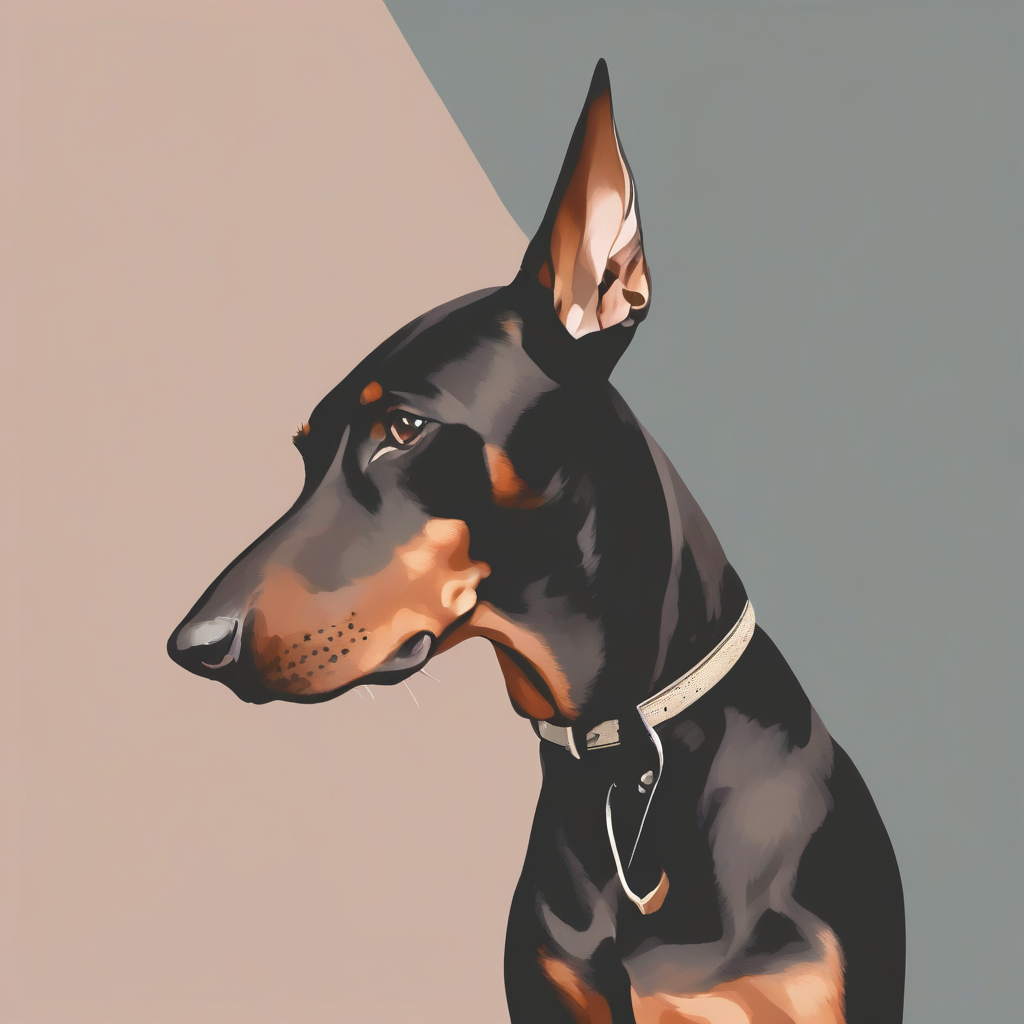
Understanding the Small Doberman Pinscher
If you have ever seen a tiny dog trotting proudly down the street looking exactly like a shrunken-down Doberman, you might have wondered if you were looking at a "small Doberman Pinscher." The idea of a pocket-sized version of this majestic, loyal guard dog is incredibly appealing to many dog lovers, especially those living in apartments or smaller homes. However, the canine world is full of surprises, and the truth behind these miniature look-alikes is a fascinating piece of breed history.
In reality, there is no official breed known as a "toy" or "miniature" Doberman Pinscher. The standard Doberman is strictly a medium-to-large breed. So, what is that little dog? In almost all cases, you are looking at a Miniature Pinscher (often affectionately called a Min Pin). To understand the nuances of these breeds, it is helpful to explore the truth about the mini Doberman Pinscher and learn how they differ from their larger counterparts.
Miniature Pinscher vs. Doberman Pinscher: A Historical Mix-Up
One of the biggest misconceptions in the dog world is that the Miniature Pinscher was bred down from the Doberman Pinscher. Surprisingly, the Miniature Pinscher is actually the older breed! Originating in Germany, the Min Pin was bred to hunt rats in homes and stables. The Doberman Pinscher was developed much later by Karl Friedrich Louis Dobermann, who wanted a larger, imposing protection dog.
While they share a similar coat color pattern—most notably the striking black and rust—their genetic backgrounds are distinct. If you are curious about the standard sizes of the actual Doberman breed, you can check out our Doberman Pinscher size guide and growth chart. Understanding these differences is crucial when deciding which breed fits your lifestyle, a topic covered extensively in our complete guide to different Doberman breeds.
6 Essential Care Tips for Your Small Pinscher
Whether you bring home a purebred Miniature Pinscher or a mix, caring for a small dog with a big personality requires specific strategies. Here are some practical tips to keep your pint-sized pinscher happy and healthy:
- Invest in Winter Wardrobes: Small pinschers have very short coats and very little body fat. They get cold easily. A well-fitted dog sweater or coat is essential for winter walks.
- Use a Harness, Not a Collar: Small breeds are prone to collapsing trachea. When walking your dog, always attach the leash to a comfortable body harness rather than a neck collar to prevent throat injuries.
- Prioritize Early Socialization: These little dogs often think they are ten times their actual size. Without proper socialization, they can become reactive or overly protective. Read our complete guide to Doberman Pinscher temperament to understand how pinscher-type breeds think and react.
- Secure Your Yard Completely: Min Pins are notorious escape artists. They are agile, fast, and can squeeze through surprisingly small gaps in fencing. Check your perimeter regularly.
- Implement a Strict Dental Routine: Small dog breeds are highly susceptible to periodontal disease. Brush their teeth daily with dog-safe toothpaste and provide appropriate dental chews.
- Monitor Their Diet Closely: It is incredibly easy to overfeed a small dog. Even a few extra ounces can lead to obesity, which puts terrible strain on their tiny joints. Measure their food carefully using a kitchen scale.
Exploring Miniature Doberman Mixes
Sometimes, families want a dog that blends the traits of a small pinscher with another beloved breed. Designer dogs and mixed breeds have become incredibly popular. Mixing a Miniature Pinscher with breeds like Chihuahuas, Pugs, or Terriers can result in delightful, unique companions. If you are interested in these unique hybrids, you can explore our dedicated section on Miniature Doberman Mixes to find the perfect blend for your household.
Training Your Small Pinscher
Do not let their small size fool you; these dogs are highly intelligent and need mental stimulation just as much as a large working dog. Training should be positive, consistent, and engaging. Because they can be stubborn, short training sessions of 5 to 10 minutes work best. For comprehensive advice on raising and training pinscher breeds, browse our Doberman Care Guide.
It is also highly recommended to enroll your small dog in basic obedience classes. Organizations like the American Kennel Club (AKC) offer excellent resources and certifications, such as the Canine Good Citizen program, which is perfect for channeling your small dog's boundless energy into positive behaviors.
Conclusion
While the "small Doberman Pinscher" might technically be a myth, the Miniature Pinscher steps up to fill that role perfectly. With their sleek coats, alert expressions, and fearless personalities, they offer all the aesthetic appeal of a Doberman in a compact, apartment-friendly size. By understanding their unique history, respecting their big-dog attitudes, and providing tailored care, you will have a fiercely loyal companion for years to come.
Frequently Asked Questions
How big does a small Doberman (Miniature Pinscher) get?
A standard Miniature Pinscher typically stands between 10 to 12.5 inches tall at the shoulder and weighs between 8 to 11 pounds. They are sturdy and compact, but definitely fall into the small or toy breed category.
Are Miniature Pinschers related to Dobermans?
Despite their striking physical resemblance, they are not direct descendants of the Doberman Pinscher. The Miniature Pinscher is an older breed, developed from the German Pinscher, the Dachshund, and the Italian Greyhound.
Do small Dobermans make good apartment dogs?
Yes, Miniature Pinschers can make excellent apartment dogs due to their small size. However, they are high-energy and vocal dogs, so they require daily exercise, mental stimulation, and consistent training to prevent nuisance barking.
Are Miniature Pinschers good with children?
They can be good with older, respectful children. Because of their small size and fragile bones, they are generally not recommended for households with very young toddlers who might accidentally play too rough and injure the dog.