The Ultimate Guide to the Cane Corso Breed
Published
Discover everything you need to know about the Cane Corso, from their protective temperament and training needs to essential care tips.
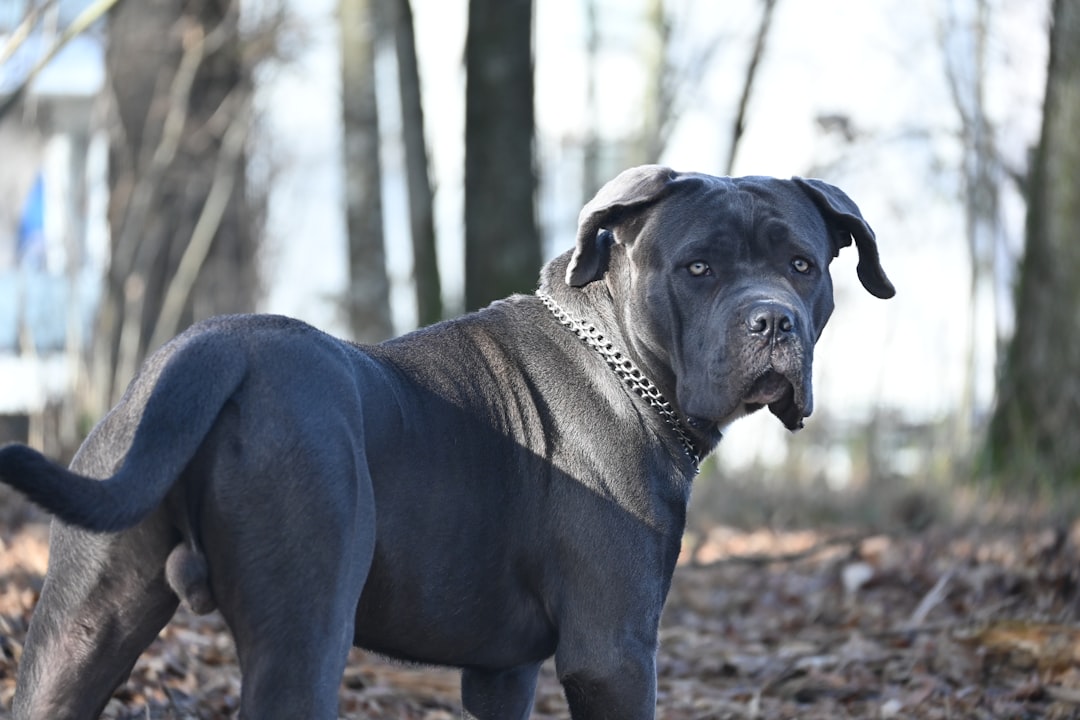
Introduction to the Cane Corso
The Cane Corso, often referred to as the Italian Mastiff, is a majestic, powerful, and deeply loyal breed. Originally bred in Italy for property protection, big game hunting, and farm work, this imposing dog commands respect simply by walking into a room. For enthusiasts of strong working breeds, the Cane Corso offers an incredible blend of athleticism, intelligence, and unwavering devotion to their family. While our site often focuses on the comprehensive guide to the Doberman Pinscher, exploring other formidable guardian breeds like the Cane Corso provides valuable insights into what makes working dogs so extraordinary.
Cane Corso Temperament and Personality
Beneath their muscular exterior, the Cane Corso is a highly intelligent and sensitive companion. They form intense bonds with their human families and are known to be exceptionally affectionate with those they trust. However, they are naturally aloof and suspicious of strangers. This protective instinct is hardwired into their DNA, making early socialization absolutely critical.
A Natural Guardian
Much like other guardian breeds, the Cane Corso takes its job of protecting the household very seriously. They are quiet observers, preferring to assess a situation before reacting. When properly trained and socialized, they are confident and stable. If you are interested in how different guardian breeds stack up against one another, you might enjoy reading about comparing the Doberman Pinscher vs Rottweiler or exploring our broader category of canine breed showdowns.
Comparing the Cane Corso to Other Working Breeds
When choosing a large guardian breed, prospective owners often weigh the Cane Corso against other popular choices. The Cane Corso is generally heavier and more mastiff-like in its build compared to the sleek, agile Doberman. While a Doberman relies on speed and sharp alertness, the Cane Corso relies on sheer power and an intimidating presence. Another common comparison is the Doberman vs Pitbull breed showdown; in contrast to both, the Cane Corso is typically more reserved and less prone to high-energy outbursts, preferring a calm, steady vigilance.
6 Essential Care and Training Tips for the Cane Corso
Owning a Cane Corso is a significant responsibility. Because of their size and strength, they require an owner who is confident, consistent, and dedicated to their well-being. Here are some practical tips for raising a healthy, well-adjusted Cane Corso:
- Prioritize Early Socialization: Introduce your Cane Corso puppy to a wide variety of people, environments, sounds, and other animals before they reach 16 weeks of age. This prevents their natural guarding instincts from turning into fear-based aggression.
- Implement Structured Obedience Training: These dogs are smart and strong-willed. They need firm, fair, and consistent leadership. Positive reinforcement works best, but boundaries must be strictly enforced from day one.
- Provide Adequate Joint Care: As a large, fast-growing breed, the Cane Corso is prone to joint issues like hip dysplasia. Keep them on a large-breed specific diet to control their growth rate, and avoid high-impact exercises (like forced jogging or jumping) until their growth plates close around 18 to 24 months.
- Engage in Daily Mental Stimulation: A bored Cane Corso can become destructive. Provide puzzle toys, scent work, and advanced obedience tasks to keep their sharp minds occupied.
- Master Leash Walking Early: A fully grown Cane Corso can weigh over 100 pounds. Teaching loose-leash walking while they are still small is non-negotiable. If they learn to pull, they will easily overpower you as adults.
- Focus on Controlled Guard Dog Training: Because they are natural protectors, you do not need to teach them to guard; you need to teach them control. Similar to the principles found in training a Doberman to be a guard dog, focus on obedience and an "off" command so the dog knows when to stand down.
Health and Nutrition
The Cane Corso has a lifespan of about 9 to 12 years. To ensure they live a long, healthy life, feed them a high-quality diet formulated for large or giant breeds. According to the American Kennel Club (AKC), owners should be vigilant about conditions such as gastric dilatation-volvulus (bloat), idiopathic epilepsy, and eyelid abnormalities like entropion or ectropion. Regular veterinary check-ups and maintaining a lean body weight are crucial to mitigating these health risks. For general advice on managing large breed health, you can browse our extensive Doberman care guide category, which shares many overlapping principles for large working dogs.
Conclusion
The Cane Corso is a magnificent breed that offers unparalleled loyalty and protection to the right owner. They are not suited for first-time dog owners or those who cannot commit to rigorous training and socialization. However, for an experienced handler willing to put in the time and effort, the Cane Corso becomes a gentle giant with its family and a steadfast guardian of its home. Understanding their unique needs is the first step toward a rewarding relationship with this ancient Italian breed.
Frequently Asked Questions
Is the Cane Corso a good family dog?
Yes, when properly trained and socialized from a young age, the Cane Corso can be an excellent family dog. They are known to be very affectionate and gentle with children in their own family, though interactions with very young children should always be supervised due to the dog's large size.
How much exercise does a Cane Corso need?
A Cane Corso requires a moderate to high amount of exercise. They need at least an hour of vigorous physical activity daily, such as brisk walking, hiking, or structured play, combined with mental stimulation to keep them balanced and happy.
Are Cane Corsos aggressive?
The Cane Corso is not inherently aggressive, but they are naturally protective and wary of strangers. Without proper socialization and firm, consistent training, this protective instinct can manifest as over-guarding or reactivity. They require an experienced owner to guide their behavior.
Do Cane Corsos shed a lot?
They have a short, dense double coat that sheds moderately throughout the year, with heavier shedding occurring in the spring and fall. Weekly brushing is usually sufficient to keep their coat healthy and manage loose hair.