Mini Doberman Pinscher Breed Guide and Care Tips
Published
Discover the truth about the Mini Doberman Pinscher. Learn about their spirited temperament, care needs, and how they differ from standard Dobermans.
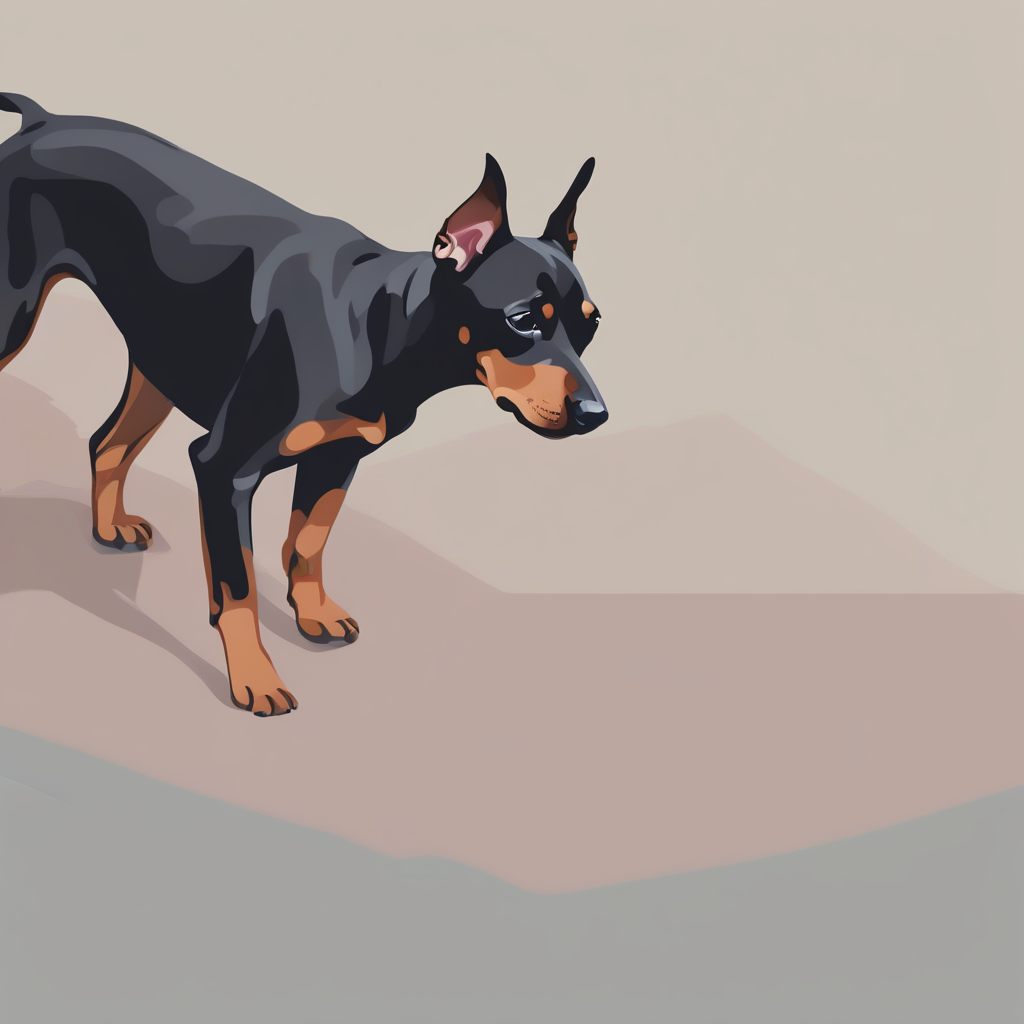
Introduction to the Mini Doberman Pinscher
If you have ever seen a tiny, sleek dog prancing with high-stepping confidence and thought you were looking at a shrunken Doberman, you are not alone. Often affectionately called the "Mini Doberman Pinscher," this pint-sized powerhouse is officially known as the Miniature Pinscher, or "Min Pin." Despite their striking physical resemblance to the standard Doberman, these little dogs pack a completely unique history and a larger-than-life personality into a compact, elegant frame.
Known as the "King of Toys," the Miniature Pinscher is a fearless, energetic, and fiercely loyal companion. Whether you are considering bringing one into your home or simply want to learn more about this fascinating breed, understanding their specific needs is crucial for a happy, healthy dog.
The Big Misconception: Min Pin vs. Standard Doberman
The most common myth surrounding the Mini Doberman Pinscher is that they are simply a bred-down version of the standard Doberman Pinscher. In reality, the Miniature Pinscher is a distinct and much older breed. Originating in Germany several centuries ago, the Min Pin was bred to hunt rats in homes and stables. The standard Doberman Pinscher was developed much later by Karl Friedrich Louis Dobermann.
While they share similar coat colors, rust markings, and a sleek silhouette, their genetic backgrounds differ. The Min Pin is believed to be a cross between the Dachshund, the Italian Greyhound, and the short-haired German Pinscher. If you are curious about the broader family tree of these incredible dogs, you can explore our Complete Guide to Different Doberman Breeds for a deeper dive into their genetic lineage.
Temperament and Personality
Do not let their small stature fool you; the Mini Doberman Pinscher has the heart of a lion. They are spirited, confident, and incredibly curious. This breed loves to be the center of attention and forms deep, affectionate bonds with their human families. However, their fearless nature means they often do not realize how small they are, making them prone to challenging dogs ten times their size.
Because of their high intelligence and independent streak, they require consistent, loving leadership. For a comprehensive look at what to expect from their day-to-day behavior, check out our Guide to the Miniature Doberman Pinscher. They make excellent watchdogs, alerting you to any strange noises or visitors with a sharp, persistent bark.
5 Essential Care Tips for Your Mini Doberman Pinscher
Caring for a Min Pin requires a blend of vigilance, patience, and lots of love. Here are some practical tips to keep your tiny companion thriving:
- 1. Master the Art of Escape Prevention: Min Pins are notorious escape artists. They are incredibly curious and will find the smallest gap in your fence or slip out the front door in a flash. Always ensure your yard is completely secure and consider using a well-fitted harness rather than a standard collar for walks to prevent them from slipping out.
- 2. Invest in Winter Wardrobes: Because they have very short coats and virtually no body fat, Mini Dobermans get cold easily. If you live in a cooler climate, investing in a high-quality dog sweater or coat is a necessity, not just a fashion statement.
- 3. Prioritize Early Socialization: Their bold nature can easily turn into territorial aggression if they are not socialized properly from a young age. Introduce them to various people, sounds, and other pets. The principles found in How to Train a Doberman Effectively can easily be adapted to suit the strong-willed Min Pin.
- 4. Keep Up with Dental Care: Like many toy breeds, the Miniature Pinscher is prone to dental issues. Brush their teeth several times a week with dog-safe toothpaste and provide appropriate chew toys to help reduce plaque buildup.
- 5. Provide Ample Mental Stimulation: A bored Min Pin is a destructive Min Pin. They need interactive toys, puzzle feeders, and regular training sessions to keep their sharp minds engaged. You can find more general care strategies by visiting our comprehensive Doberman Care Guide.
Health and Lifespan
The Mini Doberman Pinscher is generally a robust and healthy breed, boasting an impressive lifespan of 12 to 16 years. However, they are susceptible to certain health conditions that owners should monitor. Patellar luxation (slipping kneecaps), Legg-Calve-Perthes disease, and Progressive Retinal Atrophy (PRA) are among the most common issues. Regular veterinary check-ups and maintaining a healthy weight are the best ways to ensure your dog lives a long, vibrant life. You can learn more about canine health standards by visiting the American Kennel Club.
Finding a Mini Doberman Pinscher
If you are ready to welcome one of these dynamic little dogs into your life, it is vital to source your puppy from a reputable breeder who performs health screenings on their breeding stock. Avoid pet stores or online sellers that cannot provide medical histories. If you are starting your search, our resource on how to Find Doberman Pinscher Puppies For Sale Near Me can help point you in the right direction.
Alternatively, if you are open to rescuing, there are many wonderful mixed breeds that share the Min Pin's delightful traits. You can explore our category on Miniature Doberman Mixes to see if a unique crossbreed might be the perfect fit for your family.
Conclusion
The Mini Doberman Pinscher is a breed that demands respect, offers boundless entertainment, and provides unwavering loyalty. While they may require a bit of extra patience when it comes to training and socialization, the reward is a fiercely loving companion that will keep you on your toes for years to come. By understanding their unique history and catering to their specific care needs, you will set the stage for a wonderful life together.
Frequently Asked Questions
Are Mini Doberman Pinschers good with children?
Miniature Pinschers can be good with older, respectful children. However, because of their small size and fragile bones, they are not recommended for households with very young toddlers who might accidentally play too rough and injure the dog.
How much exercise does a Mini Doberman need?
Despite their small size, they are highly energetic. They require at least 30 to 45 minutes of daily exercise, which can be broken up into a couple of brisk walks and interactive indoor playtime.
Do Mini Doberman Pinschers bark a lot?
Yes, they are naturally alert and make excellent watchdogs, which means they are prone to barking at unfamiliar sights and sounds. Consistent training from a young age is necessary to teach them the "quiet" command.
Are they easy to potty train?
Like many toy breeds, potty training a Min Pin can be challenging and requires patience. Crate training and maintaining a very strict, consistent schedule are the most effective methods for success.