The Ultimate Guide to the Doberman Pinscher
Published
Discover everything you need to know about the Doberman Pinscher, including temperament, care tips, health, and training advice for your loyal companion.
Introduction to the Doberman Pinscher
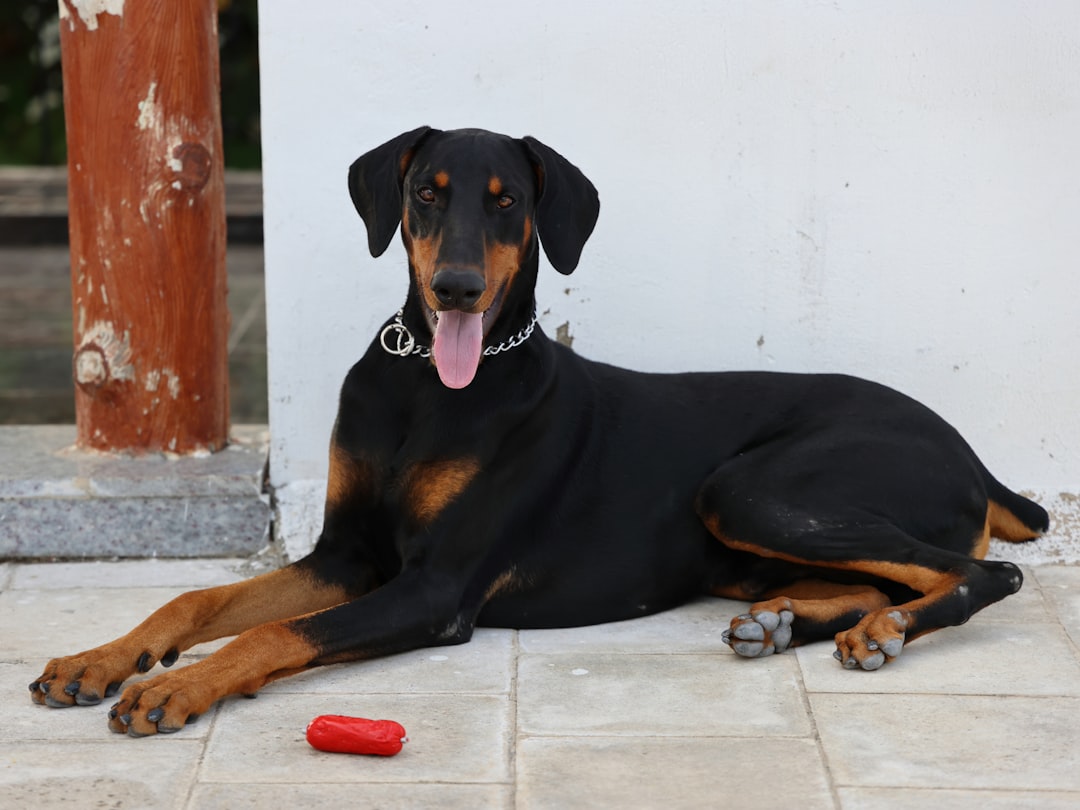
Welcome to the fascinating world of the Doberman Pinscher, a breed that perfectly balances elegance, power, and unwavering loyalty. Originally bred in Germany in the late 19th century by a tax collector named Karl Friedrich Louis Dobermann, these dogs were designed to be the ultimate protectors and companions. Today, the Doberman Pinscher is celebrated worldwide not just for its striking appearance and athletic build, but for its sharp intellect and deeply affectionate nature toward its family. Whether you are a first-time owner or a seasoned dog enthusiast, understanding the nuances of this incredible breed is the first step to a rewarding lifelong bond.
Understanding the Doberman Temperament
One of the most defining traits of the Doberman Pinscher is its remarkable temperament. Despite their formidable reputation, well-bred and properly socialized Dobermans are incredibly loving, sensitive, and devoted to their human families. They are often referred to as "Velcro dogs" because they love to be as close to their owners as possible. This intense loyalty makes them excellent natural guardians, but it also means they thrive on human companionship and can suffer from separation anxiety if left alone for extended periods.
Because the breed has evolved over the years, you might find slight variations in temperament depending on their lineage. For a deeper dive into these variations, you can explore our comprehensive resource on types of Doberman. Knowing the background of your dog will help you tailor your approach to their training and daily care.
Physical Characteristics and Appearance
The Doberman Pinscher is a masterpiece of canine anatomy. They possess a sleek, muscular build that exudes strength and endurance. Their short, smooth coat is easy to maintain and lies close to the skin, highlighting their athletic frame. While the classic black and rust coloration is the most recognizable, these beautiful dogs come in several other recognized hues. If you are curious about the different coat variations, check out our detailed look at Doberman Pinscher colors to learn more about the genetics and standards behind their striking coats.
7 Essential Care and Training Tips for Dobermans
Raising a Doberman Pinscher requires commitment, consistency, and a deep understanding of their physical and mental needs. Here are seven practical tips to help your Doberman thrive:
- Prioritize Early Socialization: Introduce your Doberman puppy to a wide variety of people, environments, sounds, and other animals between the ages of 8 and 16 weeks. This critical window helps prevent fear-based aggression and builds a confident, well-adjusted adult dog.
- Use Positive Reinforcement: Dobermans are highly intelligent and eager to please, but they are also sensitive. Harsh correction methods can damage your bond. Instead, rely on treats, praise, and play. For a step-by-step approach, read our guide on how to train a Doberman effectively.
- Commit to Vigorous Daily Exercise: A quick walk around the block will not suffice for this high-energy breed. Aim for at least 90 minutes of vigorous exercise daily, such as running, hiking, or playing fetch in a securely fenced area.
- Provide Mental Stimulation: A bored Doberman is a destructive Doberman. Incorporate puzzle toys, scent work, and advanced obedience training into their routine. Mental fatigue is just as important as physical exhaustion for this working breed.
- Schedule Routine Health Screenings: Dobermans are prone to certain genetic health conditions, including dilated cardiomyopathy (DCM) and von Willebrand's disease. Regular veterinary check-ups are non-negotiable. Learn more about keeping your dog healthy by reviewing our Doberman Pinscher lifespan and health tips.
- Feed a High-Quality Diet: Fuel your Doberman's athletic body with premium dog food rich in high-quality proteins and healthy fats. Consult your veterinarian to determine the right portion sizes to prevent obesity while supporting their energy levels.
- Establish Consistent Leadership: Dobermans need to know that you are a calm, fair, and consistent leader. Set clear boundaries from day one and enforce them gently but firmly. This structure provides them with a sense of security.
For even more extensive advice on raising your dog, be sure to browse our complete Doberman care guide, where we cover everything from puppyhood to senior care.
Dobermans vs. Other Breeds
When choosing a dog, many prospective owners weigh the Doberman against other popular working breeds. The Doberman stands out for its sleek coat, agility, and intense loyalty, but how does it compare to a Rottweiler or a German Shepherd? Generally, Dobermans are more agile and sensitive, requiring a gentler training hand and more indoor companionship. If you are on the fence about which breed is right for your lifestyle, explore our Doberman versus other breeds category to see detailed side-by-side comparisons.
Conclusion
The Doberman Pinscher is a truly magnificent breed that offers unparalleled loyalty, protection, and companionship to the right owner. They are not the breed for someone looking for a low-maintenance pet, but for those willing to invest the time in training, socialization, and exercise, the rewards are immeasurable. By understanding their unique needs and providing a loving, structured environment, you will unlock the full potential of this noble dog. For official breed standards and historical data, you can always reference the American Kennel Club.
Frequently Asked Questions
Are Doberman Pinschers good family dogs?
Yes, Doberman Pinschers can make excellent family dogs when properly socialized and trained from a young age. They are incredibly loyal and protective of their families, and they often form strong, affectionate bonds with children in the household. However, due to their size and energy, interactions with very small children should always be supervised.
How much exercise does a Doberman need?
The Doberman is a high-energy working breed that requires significant daily exercise. Owners should plan for at least 1 to 2 hours of vigorous activity every day. This should include a mix of physical exercise, like running or brisk walking, and mental stimulation, such as obedience training or interactive play.
Do Dobermans shed a lot?
Doberman Pinschers have a short, single coat, which means they are considered moderate shedders. While they do not leave massive clumps of hair around the house like double-coated breeds, they do shed year-round. Regular weekly brushing with a grooming mitt or short-bristled brush will help keep shedding under control and maintain a healthy, shiny coat.
Are Dobermans aggressive?
A well-bred, properly socialized, and trained Doberman is not inherently aggressive. They are naturally protective and alert, which makes them excellent watchdogs, but they should be discerning and calm under normal circumstances. Aggression usually stems from poor breeding, lack of socialization, or improper training rather than the breed's natural disposition.