Complete Guide to Doberman Pinscher Temperament
Published
Discover the true Doberman Pinscher temperament, including their legendary loyalty, high intelligence, and natural protective instincts.
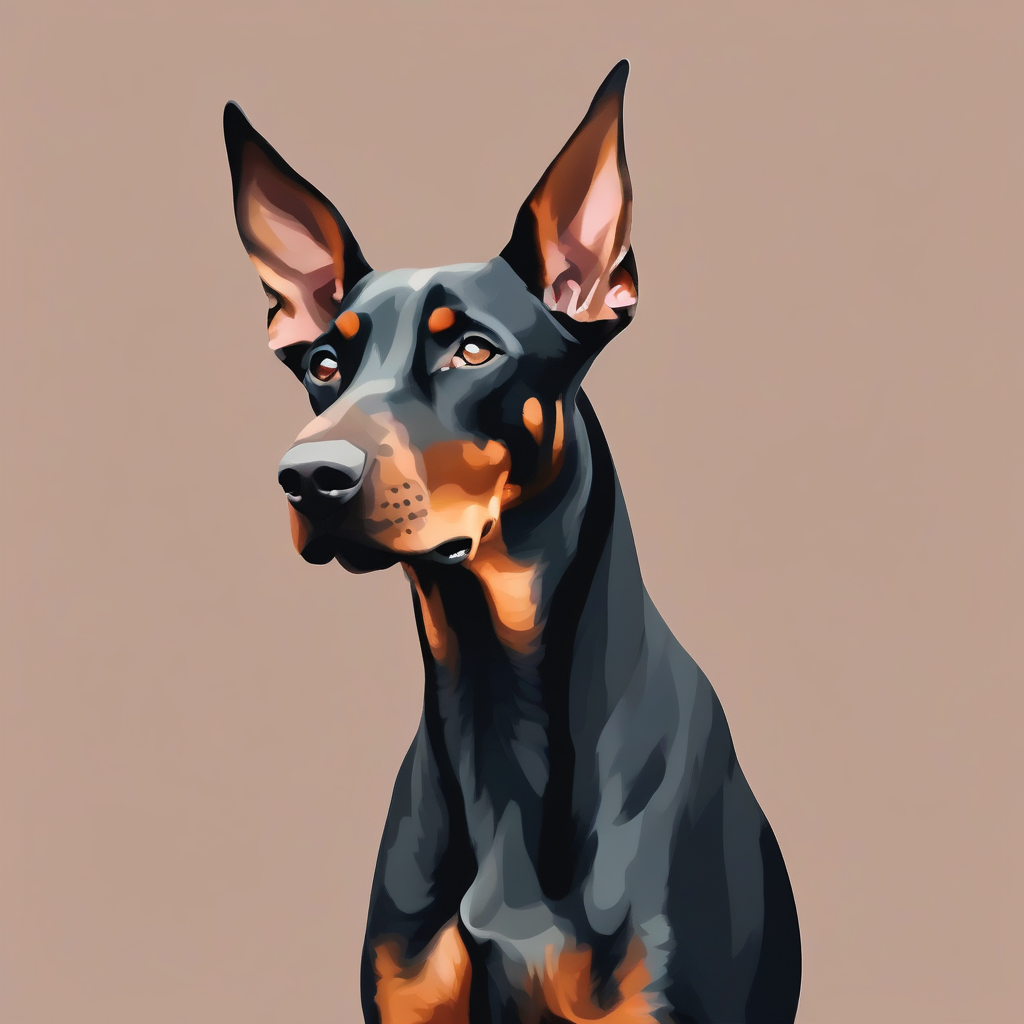
Introduction to the Doberman Personality
When you picture a Doberman Pinscher, you might immediately think of a sleek, athletic, and formidable guard dog. While they certainly look the part, the reality of the Doberman Pinscher temperament is far more nuanced, affectionate, and deeply devoted than pop culture often portrays. Bred originally by a German tax collector named Louis Dobermann to be a loyal protector, today's Doberman is a world-class family companion. For anyone considering bringing one of these majestic dogs into their home, understanding the true Doberman temperament is the first step toward a harmonious and deeply rewarding relationship.
Core Traits of the Doberman Pinscher Temperament
Dobermans are complex, emotional, and highly intelligent dogs. According to the American Kennel Club, the breed standard describes them as energetic, watchful, determined, alert, fearless, loyal, and obedient. Let us break down what that actually means for your daily life.
The Ultimate Velcro Dog
Despite their tough exterior, Dobermans are famously known as "Velcro dogs." They form incredibly strong, unbreakable bonds with their human families and prefer to be leaning against your leg, sitting on your feet, or cuddling on the couch. They thrive on human companionship and can become deeply distressed if isolated from their pack for long periods.
High Intelligence and Trainability
Consistently ranked among the top five smartest dog breeds in the world, the Doberman is a brilliant thinker. They learn new commands with astonishing speed and excel in advanced obedience, agility, and tracking. However, this intelligence means they need a job to do, or they will invent their own—which usually involves chewing your favorite shoes or digging up the garden.
Natural Protective Instincts
A well-bred Doberman is naturally protective but should never be unprovokedly aggressive. They are highly observant and will alert you to anything unusual in their environment. Their protective nature is rooted in their love for their family, meaning they will stand between you and a perceived threat, but they will look to you for cues on how to react.
7 Practical Tips for Managing Doberman Temperament
Raising a well-balanced Doberman requires dedication, consistency, and a lot of love. If you are looking for an ultimate guide to raising a Doberman puppy, these seven practical tips are essential for molding their temperament positively.
- Prioritize Early Socialization: Introduce your Doberman puppy to a wide variety of people, environments, sounds, and other animals before they are 16 weeks old. This prevents their natural wariness of strangers from turning into fear or aggression.
- Commit to Daily Vigorous Exercise: A tired Doberman is a good Doberman. If you are wondering how much exercise do Dobermans need daily, aim for at least 90 minutes to two hours of running, hiking, or intense fetch.
- Provide Daily Mental Stimulation: Physical exercise alone is not enough. Use puzzle toys, scent work, and daily obedience training sessions to tire out their massive brains.
- Use Positive Reinforcement: Dobermans are incredibly sensitive dogs. Harsh corrections will damage your bond and can create anxiety. Use treats, praise, and toys to reward good behavior.
- Establish Clear, Consistent Boundaries: Dobermans will test the rules to see if you actually mean what you say. Be firm, fair, and consistent with house rules from day one.
- Practice Separation Independence: Because they are Velcro dogs, they are prone to separation anxiety. Practice leaving them alone for short, positive intervals with a high-value treat to build their confidence when you are away.
- Address Bad Habits Immediately: Do not wait for a small issue to become a big one. Proactively overcoming common Doberman behavior problems like leash pulling or demand barking early on saves years of frustration.
Dobermans with Families and Other Pets
When properly socialized, Dobermans make fantastic family dogs. They are remarkably patient and gentle with children in their own family, often taking on a watchful, nanny-like role. However, because of their large size and high energy, interactions with toddlers should always be supervised to prevent accidental knock-overs.
When it comes to other pets, Dobermans can live peacefully with cats and other dogs if raised with them. However, they can sometimes exhibit same-sex aggression, particularly among males. If you are exploring beginner owner tips, it is generally recommended to pair a male Doberman with a female dog to ensure household harmony. For those interested in how they stack up against other guarding breeds, exploring comparing Doberman temperaments to other breeds can provide valuable insights into their unique social dynamics.
Frequently Asked Questions
Are Dobermans aggressive by nature?
No, a well-bred and properly socialized Doberman is not naturally aggressive. They are protective and alert, but they should be stable, confident, and approachable. Aggression in Dobermans is usually the result of poor breeding, lack of socialization, or abusive training methods.
Do Dobermans bark a lot?
Dobermans are not considered nuisance barkers. They will bark to alert you to someone at the door or a strange noise on the property, but they generally do not bark just to hear their own voices. If a Doberman is barking excessively, it is usually a sign of boredom or separation anxiety.
Can a Doberman be left alone all day?
Dobermans do not do well when left alone for 8 to 10 hours a day. They are highly social animals that need interaction with their human pack. Leaving them alone for long periods frequently leads to destructive behavior, anxiety, and depression. They are best suited for households where someone is home often or can utilize a dog walker.
Conclusion
The Doberman Pinscher temperament is a beautiful blend of fierce loyalty, brilliant intelligence, and goofy affection. They are not the right breed for a passive owner or someone looking for an independent yard dog. A Doberman demands your time, your energy, and a piece of your heart. In return, they will give you unwavering devotion, endless entertainment, and the profound security of knowing you have a fearless best friend by your side. With the right training, socialization, and love, the Doberman Pinscher is truly a peerless companion.