Understanding Doberman Behaviour Traits and Temperament
Published
Discover everything you need to know about Doberman behaviour, temperament traits, and training tips for a well-adjusted and loyal family companion.
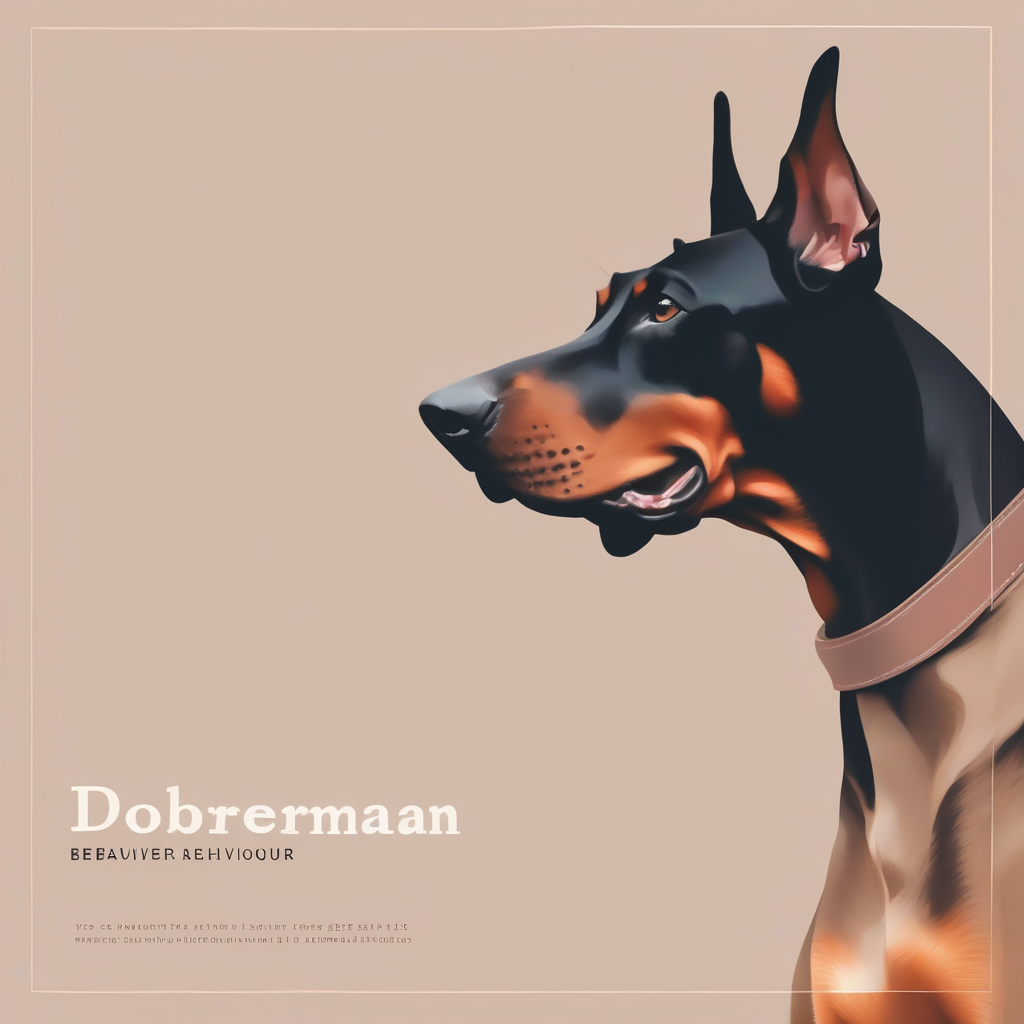
Introduction to Doberman Behaviour
Welcome to the fascinating world of the Doberman Pinscher! Known for their sleek coats, athletic build, and regal posture, Dobermans are often misunderstood by those who have never had the pleasure of sharing a home with one. If you are considering bringing one of these magnificent dogs into your life, or if you simply want to understand your current furry best friend a little better, getting a grasp on typical Doberman behaviour is essential. Far from the aggressive stereotypes often portrayed in movies, a well-bred and properly socialized Doberman is a loving, incredibly loyal, and highly intelligent companion.
According to the American Kennel Club, the Doberman Pinscher is renowned for its fearless and vigilant nature, but also for its profound devotion to its family. In this comprehensive guide, we will explore the core traits that define Doberman behaviour, how age and gender play a role, and practical tips for raising a well-adjusted canine citizen.
Core Doberman Behaviour Traits
Unwavering Loyalty and Affection
One of the most defining characteristics of Doberman behaviour is their intense loyalty. Often affectionately referred to as "Velcro dogs," Dobermans thrive on human companionship. They prefer to be in the same room as their owners, leaning against your legs or resting their head in your lap. This deep bond means they are highly attuned to your emotions and routines, making them exceptionally loving family pets.
High Intelligence and Trainability
Dobermans are consistently ranked among the smartest dog breeds in the world. This high level of intelligence means they learn commands quickly and excel in obedience, agility, and tracking sports. However, a smart dog also requires a knowledgeable owner. If left to their own devices without mental stimulation, a Doberman can easily become bored and invent their own (often destructive) jobs around the house.
Natural Protective Instincts
Historically bred by a tax collector named Louis Dobermann for protection, the modern Doberman still retains a strong guarding instinct. They are naturally watchful and will alert you to strangers approaching the home. It is important to note that a stable Doberman is protective, not inherently aggressive. They will assess a situation and look to their owner for cues on how to react. For a deeper dive into how they stack up against other breeds in this regard, you can explore our Doberman temperament comparisons.
How Age and Gender Influence Behaviour
Doberman behaviour is not static; it evolves as the dog matures. Understanding these developmental stages can help you anticipate challenges and adjust your training methods accordingly.
The Puppy Stage
Doberman puppies are energetic, curious, and sometimes a bit clumsy as they grow into their long legs. They require consistent boundaries and early socialization to prevent fearfulness later in life. Biting and mouthing are common during teething, so redirecting this behaviour to appropriate toys is crucial. If you are starting this journey, reading an ultimate guide to raising a Doberman puppy will provide you with a solid foundation.
Male vs. Female Dobermans
While every dog is an individual, there are some general behavioural differences between male and female Dobermans. Males tend to be larger, sometimes more goofy, and can remain puppy-like for a longer period. They are often very affectionate but can be territorial if not neutered. Females, on the other hand, often mature faster and can be a bit more independent or reserved. They are incredibly focused and make excellent working dogs. For specific advice on raising a female, check out our female Doberman care tips.
5 Practical Tips for Managing Doberman Behaviour
To ensure your Doberman grows into a well-mannered adult, proactive management is key. Here are five practical tips to help you guide your dog's behaviour positively.
- Prioritize Early Socialization: Expose your Doberman to a wide variety of people, environments, sounds, and other animals before they reach 16 weeks of age. This builds confidence and reduces the likelihood of fear-based reactivity.
- Provide Adequate Physical Exercise: A tired Doberman is a good Doberman. These athletic dogs need vigorous daily exercise, such as running, hiking, or playing fetch. Understanding how much exercise Dobermans need daily is vital to preventing anxiety and destructive chewing.
- Incorporate Daily Mental Stimulation: Physical exercise alone is not enough. Use puzzle toys, snuffle mats, and daily obedience training sessions to tire out their active minds. Teaching them new tricks keeps them engaged and strengthens your bond.
- Establish Consistent Leadership: Dobermans respect calm, confident leadership. Establish clear rules and boundaries from day one, and ensure all family members enforce them consistently. Mixed signals can lead to confusion and stubborn behaviour. For more foundational advice, browse our comprehensive Doberman care guide section.
- Use Positive Reinforcement: Despite their tough exterior, Dobermans are sensitive dogs. Harsh training methods can damage their trust in you. Always use positive reinforcement techniques, rewarding good behaviour with treats, praise, and play.
Common Behavioural Challenges and Solutions
Even with the best upbringing, Dobermans can develop specific behavioural quirks. Being aware of these can help you address them early.
Separation Anxiety
Because they bond so closely with their owners, Dobermans are prone to separation anxiety. They may vocalize, pace, or become destructive when left alone. To combat this, practice leaving them alone for short periods, gradually increasing the duration. Provide high-value treats or stuffed chew toys right before you leave to create a positive association with your departure.
Leash Reactivity
Due to their protective nature and high prey drive, some Dobermans become reactive on the leash, barking or lunging at passing dogs or small animals. This requires dedicated counter-conditioning training. Teach your dog to focus on you when triggers appear, rewarding them heavily for making eye contact instead of reacting. If you want to learn more about how their reactions compare to other breeds, visit our Doberman versus temperament category.
Frequently Asked Questions
Are Dobermans aggressive by nature?
No, a well-bred and properly raised Doberman is not inherently aggressive. They are naturally protective and watchful, but they are also highly intelligent and discerning. Aggression in Dobermans is typically the result of poor breeding, lack of socialization, or abusive training methods. A healthy Doberman is confident, stable, and deeply loving toward its family.
Do Dobermans bark a lot?
Dobermans are not considered nuisance barkers, but they are excellent watchdogs. They will bark to alert you to someone at the door or unusual noises outside. However, if a Doberman is barking excessively, it is usually a sign of boredom, under-stimulation, or separation anxiety that needs to be addressed through exercise and training.
Are Dobermans good with children?
Yes, Dobermans can be fantastic with children, especially when raised with them from puppyhood. They are known to be playful and protective of the kids in their family. However, due to their large size and energetic nature, interactions between Dobermans and young children should always be supervised to prevent accidental bumps or knock-overs. Teaching children how to respectfully interact with dogs is equally important.
Conclusion
Understanding Doberman behaviour is the key to unlocking a harmonious and deeply rewarding relationship with your dog. By recognizing their need for physical exercise, mental stimulation, and close human companionship, you can provide the ideal environment for them to thrive. Remember that their protective instincts and high intelligence require consistent, positive leadership. With the right care, training, and socialization, your Doberman will not just be a pet, but a devoted and well-mannered member of your family for years to come.