Raising a Doberman Pinscher Puppy Complete Guide
Published
Discover everything you need to know about raising a Doberman Pinscher puppy, from early socialization and training to essential health care tips.
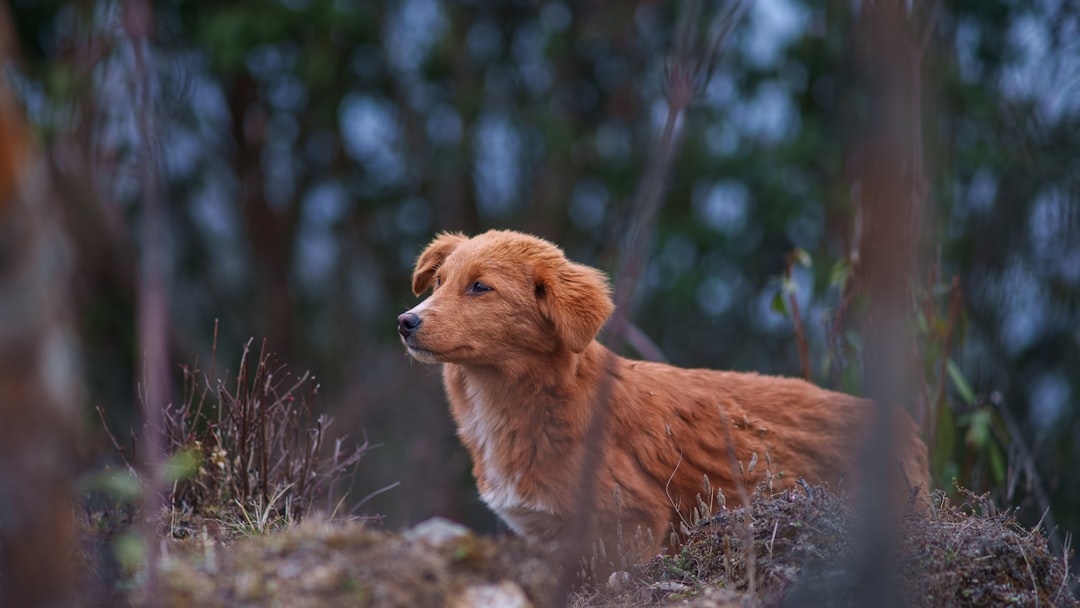
Welcome to the World of Doberman Puppies
Bringing a Doberman Pinscher puppy into your home is an incredibly exciting and rewarding experience. Known for their striking appearance, unwavering loyalty, and sharp intelligence, Dobermans make exceptional companions and protectors. However, raising a well-adjusted, confident adult dog starts the moment you bring your new furry friend home. Because this breed is highly energetic and fiercely intelligent, proper Doberman puppy care requires dedication, consistency, and a whole lot of love.
Whether you are a first-time owner or a seasoned dog enthusiast, understanding the unique needs of a Doberman Pinscher puppy is crucial. From their rapid growth spurts to their need for mental stimulation, these puppies thrive when given clear boundaries and a strong bond with their human family. Let us dive into everything you need to know to raise a happy, healthy Doberman.
Preparing Your Home for a Doberman Pinscher Puppy
Before your new puppy sets paw in your house, you need to puppy-proof your living space. Doberman puppies are notoriously curious and love to explore the world with their mouths. Remove any hazardous household chemicals, secure loose electrical cords, and put away small items that could be swallowed. It is also highly recommended to set up a dedicated safe zone, such as a playpen or a comfortable crate, where your puppy can retreat when they need to rest.
Stocking up on the right supplies is just as important. You will need durable chew toys, a high-quality harness, a sturdy leash, and appropriately sized food and water bowls. For those who are new to the breed, reading an essential Doberman care guide for beginners can provide a fantastic checklist to ensure you have everything prepared for your puppy's arrival.
Essential Training and Socialization
Training should begin the day your Doberman Pinscher puppy comes home. Because they grow into large, powerful dogs, establishing good manners early is non-negotiable. Dobermans are eager to please and highly trainable, often excelling in obedience and agility. Start with basic commands like sit, stay, come, and down. Positive reinforcement, using high-value treats and enthusiastic praise, works best with this sensitive breed.
Socialization is equally critical. Expose your puppy to a wide variety of people, environments, sounds, and other animals during their critical socialization window (between 3 and 14 weeks of age). Proper socialization prevents fearfulness and aggression later in life. Understanding your dog's natural instincts is helpful; you can learn more by checking out a comprehensive Doberman temperament guide. For formal training milestones, organizations like the American Kennel Club offer excellent resources on puppy socialization and obedience standards.
Nutrition and Feeding Guidelines
Fueling your Doberman Pinscher puppy's rapid growth requires a high-quality, balanced diet specifically formulated for large breed puppies. Large breed puppy formulas carefully control the calcium and phosphorus ratios to ensure steady, healthy bone growth, reducing the risk of joint issues later in life.
Typically, a Doberman puppy should be fed three to four small meals a day until they are about six months old, after which you can transition to two meals a day. Always ensure they have access to fresh, clean water. Avoid free-feeding, as Dobermans are prone to a serious condition called gastric dilatation-volvulus (bloat). Feeding measured meals and preventing vigorous exercise immediately after eating are vital preventative measures.
7 Practical Tips for Doberman Puppy Owners
Raising a Doberman requires a proactive approach. Here are seven practical tips to help you navigate puppyhood successfully:
- Start Crate Training Early: Introduce the crate as a positive, safe den rather than a punishment. This helps with potty training and gives your puppy a secure place to sleep.
- Focus on Leash Manners: Because a fully grown Doberman is incredibly strong, teach loose-leash walking from day one to prevent pulling habits from forming.
- Provide Daily Mental Stimulation: Physical exercise is not enough. Use puzzle toys, snuffle mats, and short training sessions to tire out their active minds.
- Desensitize Paws and Ears: Regularly touch your puppy's paws, ears, and mouth. This makes future nail trims, teeth brushing, and veterinary exams stress-free.
- Establish Consistent Routines: Dobermans thrive on predictability. Keep feeding, potty breaks, and bedtime on a strict schedule.
- Introduce Different Surfaces: Build your puppy's confidence by having them walk on grass, gravel, wood floors, and tile early on.
- Enforce Nap Times: Puppies need 18-20 hours of sleep a day. If your Doberman becomes bitey or hyperactive, they likely need an enforced nap in their crate.
Understanding Doberman Types and Mixes
As you research the breed, you may notice differences in appearance and temperament based on the dog's lineage. For instance, European Dobermans tend to be slightly larger and have a higher drive, making them excellent working dogs, while American Dobermans are often sleeker and bred more for the show ring and family companionship. You can explore the nuances of the American lines in the American Doberman Pinscher complete breed guide.
Additionally, many families look into crossbreeds to blend the Doberman's loyalty with traits from other breeds. If you are open to a mixed breed, exploring the various Doberman mix breeds can help you find a dog that perfectly matches your lifestyle. You might also hear about smaller lookalike breeds, such as the Miniature Pinscher, which is often confused with the Doberman. If you are interested in smaller dogs, you can read all about the mini Doberman Pinscher breed to understand the distinct differences.
Frequently Asked Questions
How much exercise does a Doberman Pinscher puppy need?
While adult Dobermans need vigorous daily exercise, puppies require a more measured approach to protect their developing joints. A good rule of thumb is 5 minutes of structured exercise per month of age, twice a day, alongside free play in a safe, enclosed area.
Are Doberman puppies good with children?
Yes, when raised alongside children and properly socialized, Doberman puppies can be incredibly affectionate and protective family dogs. However, due to their boisterous nature as puppies, all interactions with young children should be closely supervised to prevent accidental knock-overs.
When do Doberman puppies calm down?
Dobermans are a high-energy breed that matures slowly. You can expect them to retain their puppy-like energy and exuberance until they are about 2 to 3 years old. Consistent training and adequate mental stimulation will help manage their energy levels as they mature.
Is it hard to potty train a Doberman puppy?
Dobermans are highly intelligent and generally easy to housebreak if you are consistent. Taking them out immediately after waking up, after eating, and after vigorous play, while rewarding them heavily for going outside, will yield quick results.
Conclusion
Raising a Doberman Pinscher puppy is a journey filled with rapid growth, learning, and the development of an unbreakable bond. By investing time in early socialization, positive reinforcement training, and proper nutrition, you are setting the foundation for a magnificent, well-behaved adult dog. Remember that consistency is your greatest tool. Embrace the puppy phase, take plenty of photos, and enjoy the process of watching your Doberman puppy grow into the loyal, majestic guardian they were born to be.