Male Doberman Lifespan Guide and Longevity Tips
Published
Discover the average male Doberman lifespan, common health factors, and expert care tips to help your loyal companion live a long and healthy life.
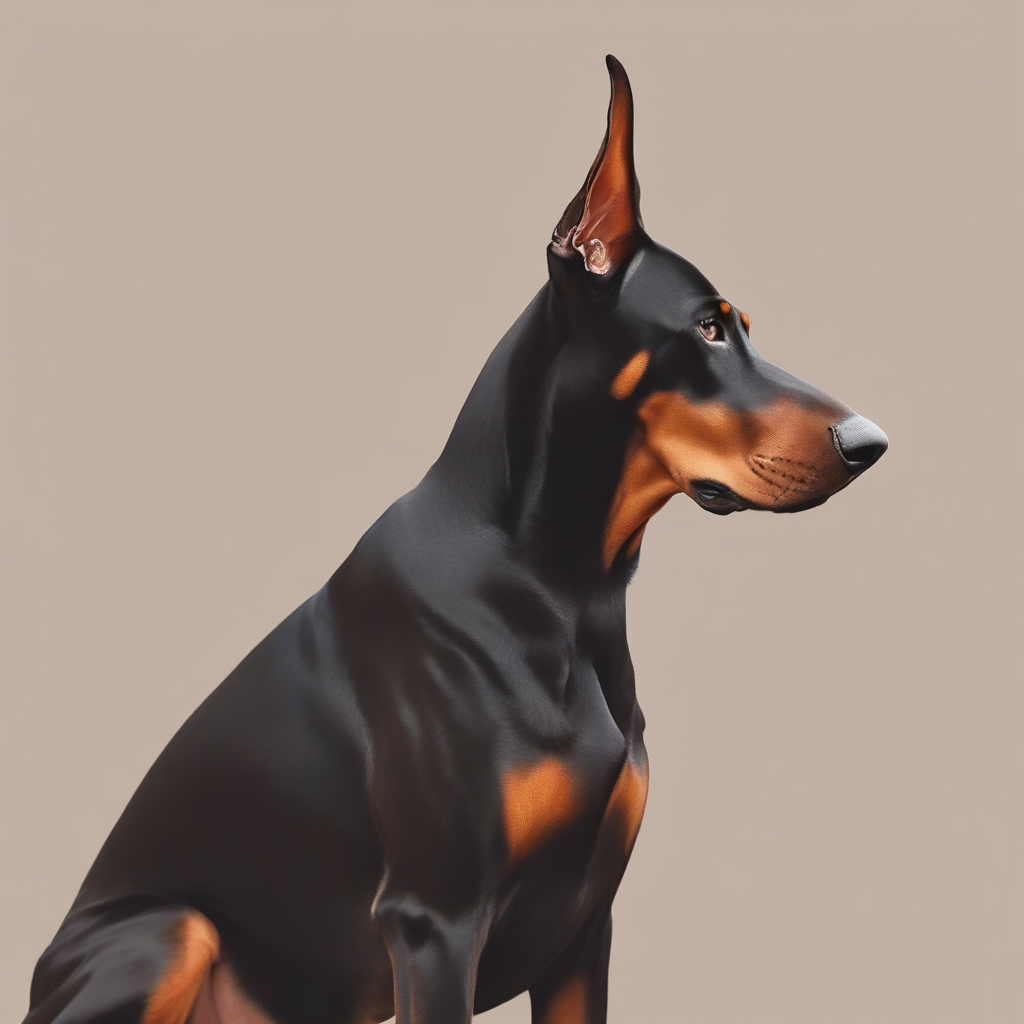
Introduction to the Male Doberman Lifespan
Welcome to our comprehensive guide on the male Doberman lifespan. If you are a proud owner or are currently considering bringing one of these magnificent dogs into your home, understanding how long these majestic animals live is absolutely crucial. Known for their unwavering loyalty, striking appearance, and incredible intelligence, Dobermans make exceptional companions. On average, a male Doberman Pinscher lives between 10 to 12 years. By providing excellent care, proactive veterinary attention, and a loving environment, you can maximize the precious time you share with your loyal companion. For more general breed information and to explore the history of these wonderful dogs, feel free to browse our Doberman Pinscher category.
Understanding the Average Male Doberman Lifespan
Male Dobermans are large, athletic, and powerful dogs. Because of their substantial size and deep-chested build, their lifespan is slightly shorter than that of smaller canine breeds. While the standard lifespan is generally accepted to be 10 to 12 years, it is not unheard of for exceptionally healthy Dobermans to reach 13 or even 14 years of age. Achieving this upper end of the lifespan spectrum requires a combination of good genetics, excellent nutrition, and a stress-free environment. Starting off on the right foot is essential, which is why reading a Complete Guide to Doberman Pinscher Puppies can help you establish healthy habits from the very first day you bring your new puppy home.
Key Factors Influencing Your Doberman's Longevity
Genetics and Responsible Breeding
Genetics play a massive and undeniable role in a male Doberman's lifespan. Responsible breeders are the first line of defense against hereditary conditions that can cut a dog's life tragically short. Reputable breeders will rigorously screen their breeding pairs for genetic conditions like Dilated Cardiomyopathy (DCM), Von Willebrand's disease (a bleeding disorder), and hip dysplasia. When choosing a puppy, always ask to see the health clearances of the parents. A dog with a strong, healthy genetic lineage has a much higher probability of living a long, vibrant life.
Diet and Optimal Nutrition
Feeding your dog a high-quality, balanced diet tailored specifically to large breeds is vital for supporting long-term heart and joint health. Male Dobermans require a diet rich in high-quality animal proteins to maintain their muscular physique. It is also important to monitor their caloric intake carefully; obesity is a silent killer in large breeds, putting unnecessary strain on the heart and exacerbating joint issues like arthritis. Consult with your veterinarian to choose a diet that meets your dog's specific life stage requirements, whether he is an energetic puppy, an active adult, or a slowing senior.
Exercise and Mental Stimulation
Dobermans are highly intelligent, working dogs that possess boundless energy. Regular, vigorous exercise is necessary to prevent obesity and keep their cardiovascular system strong. However, physical exercise alone is not enough. Proper training and mental stimulation keep their minds sharp and prevent anxiety-related behaviors. Engaging their brains through obedience work or agility courses is just as tiring as a long run. If you need help with socialization and behavioral shaping, check out our guide on How To Train A Doberman To Be Friendly.
7 Practical Tips to Extend Your Male Doberman's Life
As a dedicated owner, you have a significant amount of control over your dog's daily routine and overall wellness. Here are seven detailed, practical tips to help your male Doberman thrive well into his senior years:
- Schedule Annual Cardiac Exams: Because Dilated Cardiomyopathy (DCM) is highly prevalent in Dobermans, annual Holter monitor testing and echocardiograms starting at age two are vital. Leading veterinary organizations and the American Kennel Club highly recommend regular heart screenings to catch issues before symptoms appear.
- Maintain a Lean Body Weight: Keep your male Doberman lean to reduce stress on his heart and joints. You should be able to easily feel his ribs without having to press hard through layers of fat. A lean dog is a healthier, longer-living dog