Doberman German Shepherd Mix Ultimate Breed Guide
Published
Discover everything you need to know about the Doberman German Shepherd mix, including temperament, training tips, and care requirements.
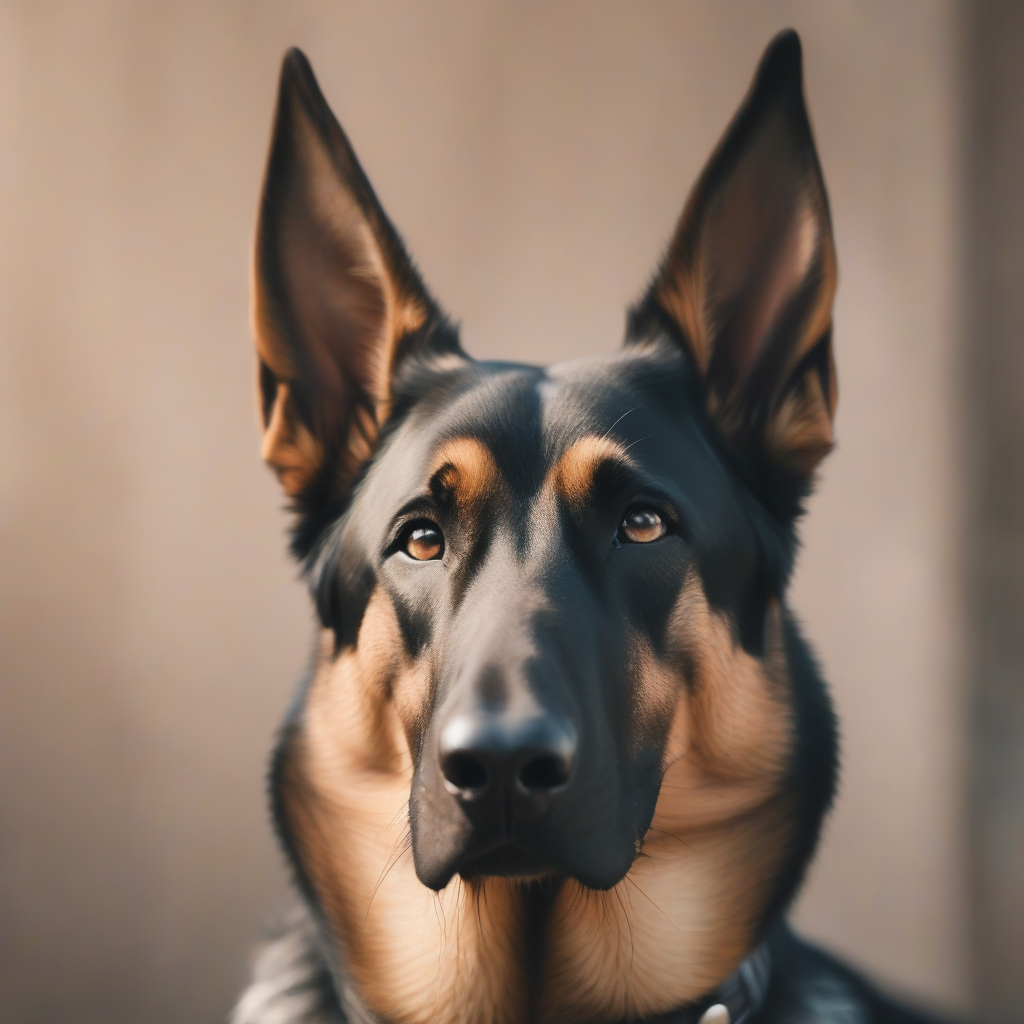
Introduction to the Doberman Shepherd
Welcome to the ultimate guide on one of the most striking and intelligent designer dogs in the canine world: the Doberman German Shepherd mix. Often affectionately called the Doberman Shepherd, this powerful hybrid combines the sleek athleticism of the Doberman Pinscher with the rugged versatility of the German Shepherd. If you are looking for a fiercely loyal, highly trainable, and protective companion, you have come to the right place. In this guide, we will explore everything from their unique temperament to their daily care needs, helping you decide if this remarkable crossbreed is the perfect fit for your family.
Because both parent breeds are renowned working dogs, any Doberman German Shepherd mix inherits a strong drive to protect, learn, and work alongside their human companions. However, this also means they require a dedicated owner who understands canine behavior and is willing to invest time in proper training and socialization.
Understanding the Parent Breeds
To truly understand the Doberman Shepherd, we must look at the two iconic breeds that make up its DNA. The German Shepherd is famous worldwide for its role in police and military work, boasting unmatched loyalty and a highly adaptable intelligence. The Doberman Pinscher, originally bred by a German tax collector for personal protection, is sleek, fast, and incredibly devoted to its family.
When you look at a comparison of the Doberman and German Shepherd, you will notice that both breeds share a high level of intelligence and a natural guarding instinct. Combining them results in a dog that is alert, courageous, and deeply bonded to its pack. Depending on which parent's genes are more dominant, your mix might have the floppy ears and sleek coat of a Doberman, or the upright ears and dense double coat of a German Shepherd.
Temperament and Personality
The Doberman Shepherd is not a couch potato. These dogs are alert, active, and thrive when they have a job to do. They are incredibly affectionate with their families but can be naturally aloof or suspicious of strangers. This protective nature makes them excellent watchdogs, but it also highlights the absolute necessity of early and ongoing socialization.
Without proper guidance, their protective instincts can turn into reactivity. If you are bringing one of these mixes into your home, it is highly recommended to read up on how to train a Doberman to be friendly, as the same positive reinforcement and desensitization techniques apply perfectly to the Doberman Shepherd.
6 Practical Tips for Raising a Doberman Shepherd
Raising a large, intelligent, and powerful breed mix requires commitment. Here are six practical, detailed tips to ensure your Doberman Shepherd grows into a well-adjusted adult:
- Prioritize Early Socialization: Introduce your puppy to a wide variety of people, environments, sounds, and other animals between the ages of 8 and 16 weeks. This critical window helps prevent fear-based aggression later in life.
- Implement Structured Exercise: A simple walk around the block will not suffice. These dogs need vigorous daily exercise. However, you must be careful not to overwork their developing joints when they are young. Be sure to follow a proper Doberman exercise needs by age guide to safely build their stamina.
- Invest in Mental Stimulation: Physical exhaustion is only half the battle. Use puzzle toys, snuffle mats, and advanced obedience training to tire out their highly active brains. A bored Doberman Shepherd can quickly become destructive.
- Use Positive Reinforcement: Both parent breeds are sensitive and respond poorly to harsh corrections. Use treats, praise, and play to reward good behavior. Consistency is key to establishing yourself as a fair and trusted leader.
- Focus on Joint Health Early: Because both the German Shepherd and Doberman are prone to joint issues like hip dysplasia, keep your dog at a lean, healthy weight. Consider adding joint supplements like glucosamine and chondroitin to their diet after consulting with your veterinarian.
- Screen Your Breeders Carefully: If you are not adopting from a rescue, finding a responsible breeder is paramount. Look for breeders who health-test their parent dogs. For more advice, check out our guide on finding Doberman mix breeds puppies for sale to ensure you are supporting ethical breeding practices.
Health and Lifespan
A healthy Doberman German Shepherd mix typically lives between 10 and 13 years. While mixed breeds often benefit from "hybrid vigor," meaning they have a broader gene pool and can be healthier than purebreds, they are still susceptible to the genetic conditions of their parents.
Common health concerns to watch out for include Hip and Elbow Dysplasia, Von Willebrand's Disease (a blood clotting disorder common in Dobermans), Degenerative Myelopathy, and Gastric Dilatation-Volvulus (commonly known as bloat). Bloat is a life-threatening emergency that affects deep-chested dogs. To learn more about canine health standards and preventative care, you can visit the American Veterinary Medical Association (AVMA) website.
Grooming and Maintenance
Your Doberman Shepherd's grooming needs will depend entirely on which coat they inherit. If they take after the Doberman, they will have a short, single coat that requires minimal brushing—perhaps once a week with a hound glove to remove loose hair. If they inherit the German Shepherd's thick double coat, prepare for heavy shedding, especially during the spring and fall. In this case, you will need to brush them several times a week with an undercoat rake and a slicker brush to keep the shedding under control.
Regardless of their coat type, standard canine hygiene applies. Trim their nails every three to four weeks, brush their teeth regularly to prevent periodontal disease, and clean their ears weekly to avoid infections, particularly if they have floppy ears.
Conclusion
The Doberman German Shepherd mix is a magnificent, loyal, and capable companion. They are not the best fit for novice owners or those who lead a sedentary lifestyle, but for the active, dedicated dog lover, they are an absolute joy to raise. By providing them with ample exercise, consistent training, and early socialization, you will be rewarded with an unbreakable bond and a fearless protector. For more comprehensive advice on raising and caring for your canine companion, be sure to explore our complete Doberman care guide.
Frequently Asked Questions
Are Doberman Shepherds good family dogs?
Yes, Doberman Shepherds can be excellent family dogs when raised alongside children and properly socialized. They are deeply loyal and protective of their "pack." However, due to their large size and high energy levels, interactions with very small children should always be supervised to prevent accidental knock-overs.
How big does a Doberman German Shepherd mix get?
A Doberman Shepherd is a large dog. Males typically weigh between 70 and 100 pounds and stand 24 to 28 inches tall at the shoulder. Females are generally slightly smaller, weighing between 60 and 85 pounds and standing 22 to 26 inches tall. Their exact size will depend on the genetics of their specific parents.
Do Doberman Shepherds shed a lot?
Shedding levels vary widely in this mix. If your dog inherits the short coat of the Doberman, shedding will be moderate and manageable. If they inherit the German Shepherd's double coat, they will shed heavily year-round and "blow" their coat twice a year, requiring frequent and thorough brushing.
Is the Doberman Shepherd easy to train?
Both parent breeds are ranked among the most intelligent dog breeds in the world, making the Doberman Shepherd highly trainable. They learn commands quickly and excel in obedience and agility. However, their intelligence means they can also be stubborn or easily bored, so training must be engaging, consistent, and strictly positive.