Doberman German Shepherd Mix Complete Breed Guide
Published
Discover everything you need to know about the Doberman German Shepherd mix, including temperament, care tips, training advice, and health facts.
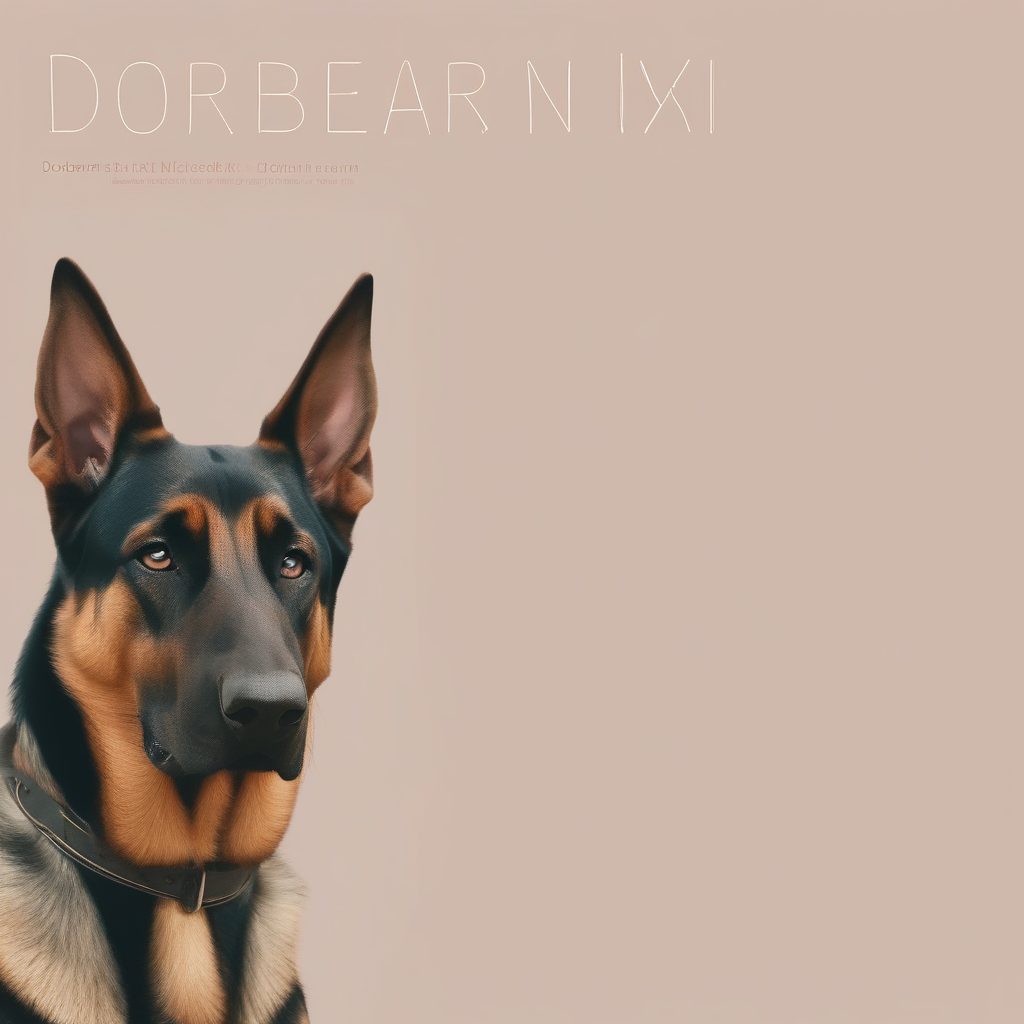
Introduction to the Doberman Shepherd
Welcome to the ultimate guide on the Doberman German Shepherd mix, affectionately known as the Doberman Shepherd. If you are looking for a highly intelligent, fiercely loyal, and incredibly athletic canine companion, this hybrid might just be your perfect match. Combining the sleek, powerful elegance of the Doberman Pinscher with the versatile, hardworking nature of the German Shepherd, this designer breed is a powerhouse of brains and brawn.
Whether you are an active individual seeking a running buddy or a family looking for a devoted guardian, understanding the unique needs of this mix is crucial. In this comprehensive guide, we will explore their temperament, care requirements, and what makes them such a remarkable addition to the right home.
What is a Doberman German Shepherd Mix?
The Doberman Shepherd is a large, sturdy crossbreed that inherits some of the best qualities from both of its purebred parents. The German Shepherd is renowned worldwide for its work in police and military roles, celebrated for its unmatched obedience and courage. On the other hand, the Doberman Pinscher was originally bred by a German tax collector for personal protection, resulting in a sleek, fast, and highly alert guardian.
When you combine these two breeds, you get a dog that is highly trainable and deeply bonded to its family. However, because both parent breeds have strong guarding instincts, it is essential to understand their dynamics. For a deeper dive into how these two parent breeds stack up against each other, you can read our Doberman Versus German Shepherd Ultimate Breed Comparison.
Temperament and Personality Traits
The personality of a Doberman Shepherd can lean toward either parent, but generally, they are confident, alert, and deeply affectionate with their human pack. They are known to be "velcro dogs," meaning they love to be right by your side, whether you are hiking a trail or relaxing on the couch.
Because of their high intelligence, they need a job to do. Without proper mental and physical stimulation, they can become bored and destructive. They are naturally protective, making them excellent watchdogs. If you enjoy exploring Doberman breed comparisons, you will find that this mix retains the Doberman's alertness combined with the German Shepherd's analytical nature. For a fun look at their protective capabilities, check out our article on Doberman vs German Shepherd Who Would Win.
7 Essential Care and Training Tips
Raising a large, intelligent, and powerful dog requires commitment. Here are seven detailed, practical tips to ensure your Doberman Shepherd thrives:
- Prioritize Early Socialization: Because both parent breeds have strong guarding instincts, you must expose your puppy to various people, sounds, environments, and other animals from a young age. This prevents fear-based aggression and ensures a well-adjusted adult dog.
- Implement High-Intensity Exercise: A simple walk around the block will not suffice. These dogs need at least 90 minutes of vigorous exercise daily. Think running, hiking, agility training, or fetch sessions in a securely fenced yard.
- Provide Daily Mental Stimulation: Physical exercise is only half the battle. Use puzzle toys, snuffle mats, and advanced obedience training to tire out their active minds. A bored Doberman Shepherd is a recipe for chewed furniture.
- Establish Consistent Leadership: This mix is smart and will test boundaries. Use positive reinforcement techniques, but remain firm and consistent with your rules. They respect a calm, confident leader.
- Focus on Joint Care Nutrition: Both parent breeds are prone to joint issues like hip dysplasia. Feed them a high-quality large-breed formula that includes glucosamine and chondroitin to support their growing joints.
- Maintain Routine Grooming: While they have short to medium coats, they do shed. Brush them two to three times a week with a deshedding tool or bristle brush to keep their coat healthy and minimize loose hair around your home.
- Schedule Regular Vet Checkups: Preventative care is key. Keep up with vaccinations, heartworm prevention, and routine blood work to catch any breed-specific health issues early. If you are starting from day one, our guide on taking care of a Doberman puppy offers excellent foundational advice.
Health and Lifespan
The Doberman German Shepherd mix typically enjoys a lifespan of 10 to 13 years. While mixed breeds often benefit from "hybrid vigor," meaning they can be healthier than their purebred parents, they are still susceptible to certain genetic conditions.
Common health concerns to watch out for include Hip and Elbow Dysplasia, Gastric Dilatation-Volvulus (Bloat), Dilated Cardiomyopathy (DCM), and Von Willebrand's Disease (a bleeding disorder common in Dobermans). To ensure your dog's health, always work with reputable breeders who perform health screenings. You can learn more about canine health standards from authoritative organizations like the American Kennel Club.
Finding a Doberman Shepherd Puppy
When you are ready to bring one of these incredible dogs into your home, you have two main options: adoption or purchasing from a breeder. Many breed-specific rescues for both Dobermans and German Shepherds often have mixed breeds looking for loving homes. Adoption is a wonderful way to give a dog a second chance.
If you choose to buy a puppy, it is vital to do your research. Avoid puppy mills and pet stores at all costs. Look for a breeder who tests the temperament and health of their breeding dogs. For more resources on this specific cross, browse our Doberman German Shepherd Mix category, and be sure to read our comprehensive guide on finding Doberman mix breeds for sale safely.
Frequently Asked Questions
Are Doberman German Shepherd mixes good family dogs?
Yes, they can make excellent family dogs when properly trained and socialized. They are incredibly loyal and protective of their family members. However, due to their large size and high energy, they are best suited for families with older children who understand how to respectfully interact with dogs.
How big does a Doberman Shepherd get?
This is a large breed. Males typically weigh between 80 and 110 pounds and stand 24 to 28 inches tall at the shoulder. Females are generally slightly smaller, weighing between 70 and 90 pounds. Their exact size will depend on which parent breed they take after more.
Do Doberman Shepherds shed a lot?
Yes, they are moderate to heavy shedders. While Dobermans have a single, short coat, German Shepherds have a thick double coat. Your mix will likely fall somewhere in between, shedding moderately year-round and experiencing heavier shedding periods during the spring and fall.
Is this mix hard to train?
Not at all! In fact, they are highly trainable due to the extreme intelligence of both parent breeds. They are eager to please and learn commands quickly. The challenge lies not in their ability to learn, but in the owner's ability to provide consistent, engaging, and positive training sessions.
Conclusion
The Doberman German Shepherd mix is a magnificent, capable, and deeply loving canine companion. They require an owner who is dedicated to providing ample exercise, rigorous training, and plenty of affection. If you have the time, energy, and experience to handle a large, intelligent working breed, the Doberman Shepherd will reward you with unwavering loyalty and protection for years to come.
Remember, bringing a dog into your life is a long-term commitment. By understanding their unique needs and preparing your home accordingly, you are setting the stage for a beautiful, lifelong bond with your new best friend.