Doberman Cross Rottweiler Ultimate Breed Guide
Published
Discover everything you need to know about the Doberman cross Rottweiler, including temperament, training tips, care needs, and health information.
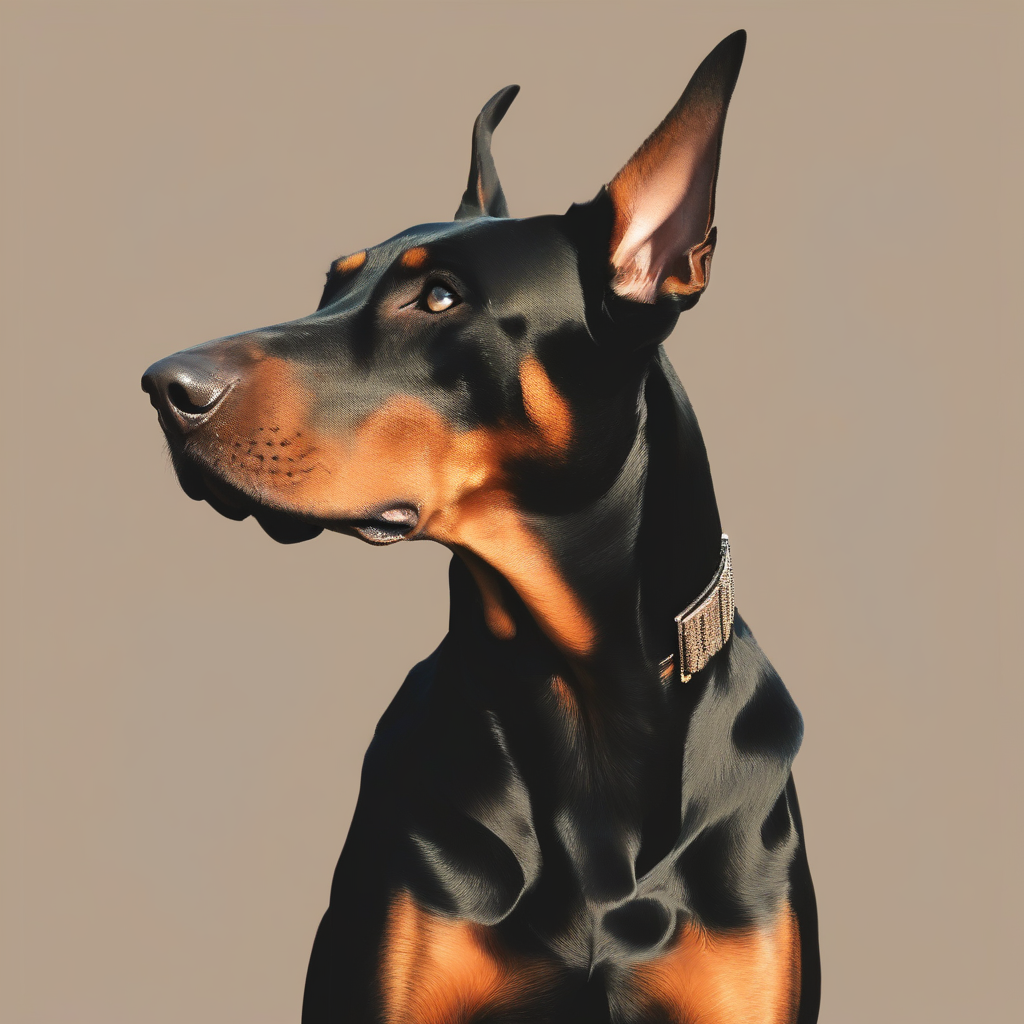
Introduction to the Doberman Cross Rottweiler
If you are looking for a dog that combines unwavering loyalty, impressive intelligence, and a striking physical presence, the Doberman cross Rottweiler might be your perfect match. Affectionately known as the "Rotterman," this designer dog blends the sleek, athletic build of the Doberman Pinscher with the muscular, robust frame of the Rottweiler. As one of the most popular Doberman Mix Breeds, the Rotterman is a powerhouse of affection and protection, making them an excellent companion for the right family.
Both parent breeds share a history of being working dogs, originally bred for guarding, herding, and personal protection. When you bring these two lineages together, you get a highly trainable, deeply devoted canine. However, owning such a powerful and intelligent dog requires commitment, structure, and a deep understanding of their needs.
Understanding the Parent Breeds
To truly understand the Rotterman, it helps to look at the traits they inherit. The Doberman Pinscher is famous for its speed, agility, and sharp mind. They are highly attuned to their owners and thrive on close companionship. The Rottweiler, on the other hand, brings a calm confidence, immense physical strength, and a deeply ingrained guarding instinct. If you want to dive deeper into the Rottweiler side of the family, check out our comprehensive resource on the ultimate Rottweiler breed guide and overview.
When comparing the two, many prospective owners wonder which traits will dominate. The truth is, a mixed breed can lean either way. For a detailed breakdown of how these two purebreds stack up against each other, you can read our Rottweiler vs Doberman which breed is right comparison. Generally, a Rotterman will be a large, muscular dog with a short coat, typically sporting the classic black and rust coloration shared by both parents.
Temperament and Personality
The Doberman cross Rottweiler is not a dog for the faint of heart, but in the hands of a confident owner, they are incredibly rewarding. They are intensely loyal and form deep bonds with their human family. This loyalty translates into a natural protective instinct. A well-socialized Rotterman is aloof but accepting of strangers, while an unsocialized one can become overly suspicious or reactive.
Despite their tough exterior, these dogs are often "velcro dogs" at home. They love to lean against your legs, cuddle on the couch (if allowed!), and follow you from room to room. They are sensitive to your moods and respond best to calm, positive energy.
7 Practical Tips for Raising a Rotterman
Because of their size and intelligence, raising a Doberman cross Rottweiler requires a proactive approach. Here are seven detailed, practical tips to help your Rotterman thrive:
- Prioritize Early Socialization: Begin socializing your puppy the day you bring them home. Expose them to new people, sights, sounds, and other animals in a positive, controlled manner. This prevents their natural guarding instincts from turning into fear-based aggression.
- Implement Consistent, Positive Reinforcement: Both parent breeds are sensitive and eager to please. Harsh training methods will only damage your bond. Use treats, praise, and toys to reward good behavior, and be consistent with your rules.
- Focus on Large Breed Nutrition: A growing Rotterman needs a diet tailored for large breeds to support steady, healthy bone growth. Avoid overfeeding, as excess weight can put undue stress on their developing joints.
- Provide Daily Mental Stimulation: Physical exercise isn't enough; you must tire out their brains. Use puzzle toys, snuffle mats, and daily obedience training sessions to keep their minds sharp and prevent destructive boredom.
- Establish a Structured Exercise Routine: Aim for at least 60 to 90 minutes of vigorous exercise daily. This can include brisk walks, jogging, hiking, or playing fetch in a securely fenced yard.
- Be a Firm but Fair Leader: These dogs will test boundaries. You need to establish yourself as a calm, confident leader. Set rules early on—like waiting at doors or sitting before meals—and stick to them.
- Schedule Routine Cardiac and Joint Screenings: Both breeds are prone to specific health issues like Dilated Cardiomyopathy (DCM) and hip dysplasia. Work with your vet to establish a screening schedule early in their life.
For more foundational advice on raising a healthy, happy dog, be sure to review our ultimate Doberman care guide PDF and tips, which contains invaluable information that applies perfectly to this mix.
Exercise and Grooming Needs
When it comes to grooming, the Doberman cross Rottweiler is relatively low maintenance. Their short, dense coat requires only a quick brushing once or twice a week to remove loose hair and keep their skin healthy. They are moderate shedders, but regular brushing will keep the hair around your house manageable. Bathing is only necessary when they get particularly dirty.
Exercise, however, is a high-maintenance category. A bored Rotterman is a destructive Rotterman. They excel in canine sports like agility, obedience, and tracking. Incorporating these activities into their routine is a fantastic way to burn off energy and strengthen your bond. If you are a first-time owner looking for guidance on managing a high-energy dog, explore our Doberman Care Guide category for expert advice.
Health Considerations for the Rotterman
Mixed breeds often benefit from "hybrid vigor," meaning they can be healthier than their purebred parents. However, they are still susceptible to the genetic conditions prevalent in Dobermans and Rottweilers. The most pressing concerns include hip and elbow dysplasia, gastric dilatation-volvulus (bloat), and heart conditions like DCM.
It is highly recommended to source your puppy from a reputable breeder who performs health clearances on both parent dogs. You can learn more about standard health clearances for these breeds through authoritative organizations like the American Kennel Club (AKC). For a deeper dive into what to expect regarding their lifespan and wellness, read our Doberman Rottweiler mix complete breed guide.
Frequently Asked Questions
Are Doberman Rottweiler mixes good family dogs?
Yes, they can be excellent family dogs when raised with children from a young age. They are highly protective and affectionate with their families. However, due to their large size and boisterous nature, interactions with very small children should always be supervised to prevent accidental knock-overs.
How big does a Rotterman get?
A Doberman cross Rottweiler is a large, powerful dog. Males typically weigh between 80 and 115 pounds and stand 24 to 28 inches tall at the shoulder. Females are generally slightly smaller, weighing between 70 and 100 pounds.
Is the Rotterman easy to train?
They are highly intelligent and eager to please, which makes them very trainable. However, they can also be strong-willed. They require an owner who is consistent, patient, and uses positive reinforcement techniques. Early obedience training is non-negotiable for this powerful mix.
Do they shed a lot?
The Rotterman is a moderate shedder. Their short coat is easy to care for, but you will notice hair around the house, especially during seasonal changes. Weekly brushing with a rubber curry brush or bristle brush is usually sufficient to keep shedding under control.
Conclusion
The Doberman cross Rottweiler is a magnificent, loyal, and capable companion. They bring together the best traits of two iconic working breeds, resulting in a dog that is as beautiful as it is intelligent. While they require a significant investment of time in training, socialization, and exercise, the reward is an unbreakable bond with a dog that will protect and love you unconditionally. If you have the space, the energy, and the dedication, the Rotterman will make an extraordinary addition to your life.