Guide to the Doberman Cross Rottweiler Mix
Published
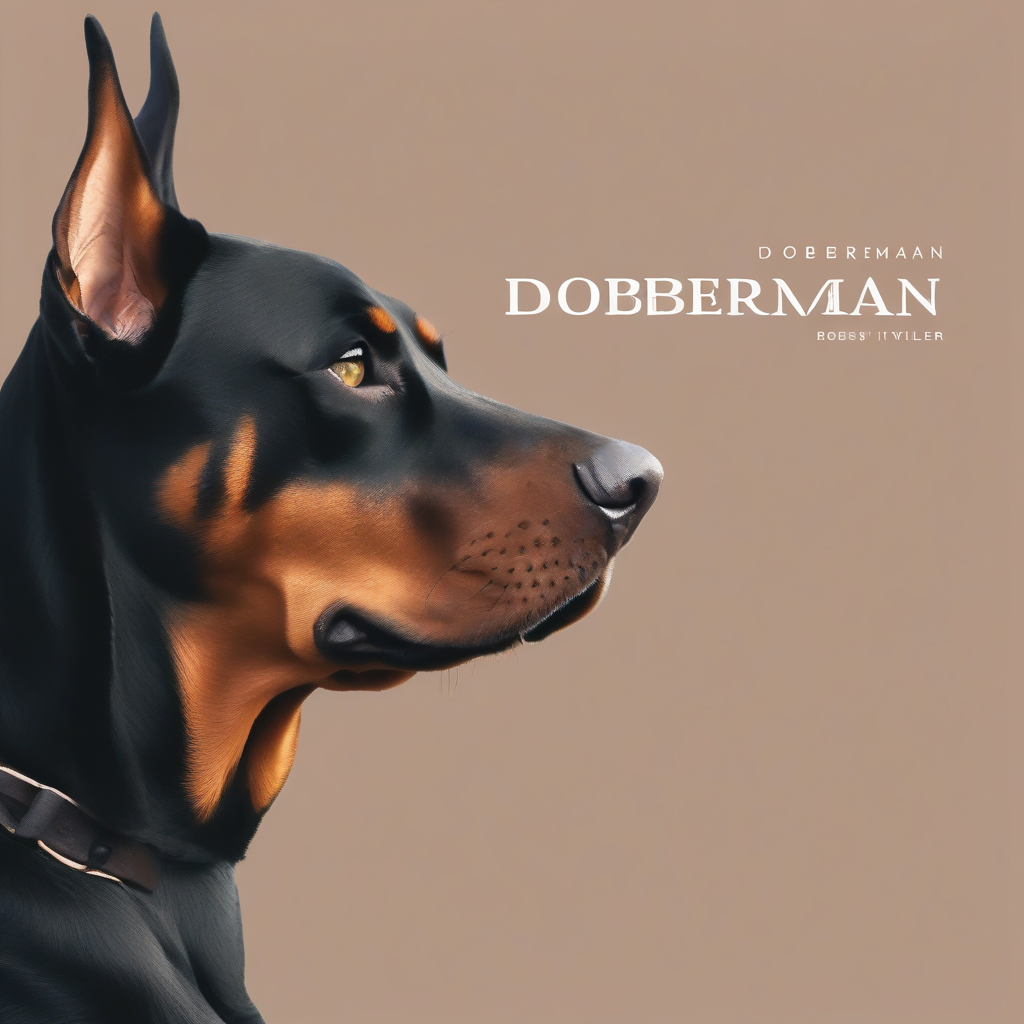
Introduction to the Rotterman
If you are looking for a highly intelligent, fiercely loyal, and undeniably powerful canine companion, the Doberman cross Rottweiler might be exactly what you are searching for. Affectionately known as the "Rotterman," this designer dog blends the sleek, athletic grace of the Doberman Pinscher with the robust, muscular build of the Rottweiler. Both parent breeds have storied histories as working dogs, protectors, and devoted family members. Bringing them together creates a hybrid that is as stunning to look at as it is rewarding to own.
However, owning a large, powerful breed mix requires dedication, knowledge, and an understanding of their unique needs. In this comprehensive guide, we will explore everything from their physical characteristics and temperament to essential care tips, ensuring you are fully prepared to welcome a Rotterman into your home.
What is a Doberman Cross Rottweiler?
The Rotterman is a large designer crossbreed that inherits traits from two of the canine world's most respected working dogs. To truly understand this mix, it helps to look at the parent breeds. The Doberman was originally bred in Germany by a tax collector seeking a loyal protector. You can learn more about their fascinating history in The Ultimate Guide to the Doberman Pinscher. The Rottweiler, also of German origin, was bred to drive cattle to market and pull carts for butchers.
When you combine these two, you get a dog that is naturally inclined to guard, work, and bond deeply with its human pack. If you are interested in exploring other fascinating combinations, check out our comprehensive section on Doberman Mix Breeds.
Temperament and Personality
The temperament of a Doberman cross Rottweiler is a fascinating blend of both parents. They are typically incredibly affectionate with their immediate family, often believing they are lap dogs despite their massive size. They are known for being "velcro dogs," meaning they love to be right by your side whether you are hiking a trail or relaxing on the couch.
Because both parent breeds have strong guarding instincts, the Rotterman is naturally protective. They are alert and will not hesitate to let you know if a stranger is approaching the property. Many potential owners wonder about the aggression levels of these breeds. For a detailed breakdown of their natural instincts, you might want to read our article on Doberman vs Rottweiler Which Is More Dangerous. With proper socialization, a Rotterman is not inherently dangerous; rather, they are discerning and fiercely loyal.
Physical Characteristics and Strength
A Doberman cross Rottweiler is a formidable dog. They typically weigh anywhere from 70 to 130 pounds and stand between 24 and 28 inches tall at the shoulder. Their build is usually a perfect middle ground: thicker and more muscular than a purebred Doberman, but slightly leaner and more agile than a purebred Rottweiler.
Their coats are short, dense, and usually feature the classic black and rust coloration shared by both parent breeds. Because of their immense physical power, it is crucial to train them not to pull on the leash. If you are curious about how these two parent breeds stack up against each other physically, check out our Doberman vs Rottweiler Fight Breed Strength Comparison.
7 Essential Care and Training Tips for Your Rotterman
Raising a well-balanced Doberman cross Rottweiler requires consistency and dedication. Here are seven practical tips to help your Rotterman thrive:
- Prioritize Early Socialization: Expose your puppy to a wide variety of people, animals, environments, and sounds before they reach 16 weeks of age. This prevents their natural protective instincts from turning into fear-based reactivity.
- Implement Positive Reinforcement: Both parent breeds are highly intelligent and sensitive. Harsh training methods will damage your bond. Use treats, praise, and toys to reward good behavior.
- Commit to Vigorous Daily Exercise: A quick walk around the block won't cut it. These dogs need at least 60 to 90 minutes of vigorous exercise daily, such as running, hiking, or playing fetch, to prevent destructive behaviors.
- Provide Mental Stimulation: Physical exercise is only half the battle. Use puzzle toys, scent work, and advanced obedience training to tire out their active minds.
- Establish Consistent Leadership: Rottermans need to know you are a calm, confident leader. If you are new to dog ownership, you might want to evaluate if this mix is right for you by reading Are Dobermans Good for First Time Owners.
- Focus on Joint Care: Because they are a large, heavy breed, they are prone to joint issues. Keep them at a healthy weight and consider joint supplements containing glucosamine and chondroitin as they age.
- Maintain Routine Grooming: While their coats are short, they do shed. Brush them once or twice a week with a rubber curry brush to remove loose hair and distribute natural skin oils.
Health and Lifespan
The average lifespan of a Doberman cross Rottweiler is between 9 and 12 years. Like all large breeds, they are susceptible to certain genetic health conditions inherited from their parents. The most common issues to watch out for include hip and elbow dysplasia, dilated cardiomyopathy (a serious heart condition prevalent in Dobermans), and gastric dilatation-volvulus (commonly known as bloat).
To keep your dog healthy, schedule regular veterinary check-ups and feed them a high-quality diet appropriate for large breeds. For more general advice on keeping your dog in top shape, you can explore our extensive Doberman Care Guide. Additionally, you can find excellent resources on large breed health standards through authoritative organizations like the American Kennel Club.
Is the Rotterman Right for You?
The Doberman cross Rottweiler is an exceptional dog, but it is not the right fit for every household. They require an owner who has the time, physical strength, and experience to handle a large, protective breed. If you live in a small apartment without access to a yard, or if you work exceptionally long hours away from home, this mix may become bored and destructive.
However, if you have an active lifestyle, a commitment to ongoing training, and a desire for a dog that will love you unconditionally and protect your home, the Rotterman will be an unparalleled companion.
Frequently Asked Questions
How big does a Doberman cross Rottweiler get?
A fully grown Rotterman is a large and powerful dog. They typically weigh between 70 and 130 pounds and stand 24 to 28 inches tall at the shoulder, depending on which parent breed they take after more.
Are Rottermans good family dogs?
Yes, when properly socialized and trained from a young age, they make excellent family dogs. They are deeply affectionate and protective of their family members, though their large size means interactions with very small children should always be supervised.
Do Doberman cross Rottweilers shed a lot?
They are moderate shedders. While they have short hair, they do shed year-round. Weekly brushing is usually sufficient to keep loose fur under control and maintain a healthy, shiny coat.
Are they easy to train?
They are highly intelligent and eager to please, which makes them very trainable. However, they can also be stubborn and require a confident, consistent owner who uses positive reinforcement techniques.
Conclusion
The Doberman cross Rottweiler is a magnificent blend of strength, intelligence, and unwavering loyalty. While they demand a significant investment of time in terms of training, socialization, and exercise, the reward is a deeply bonded companion that will stand by your side through thick and thin. By understanding their unique needs and providing a loving, structured environment, you can ensure your Rotterman lives a long, happy, and fulfilling life as a cherished member of your family.