Doberman vs Rottweiler Which Is More Dangerous
Published
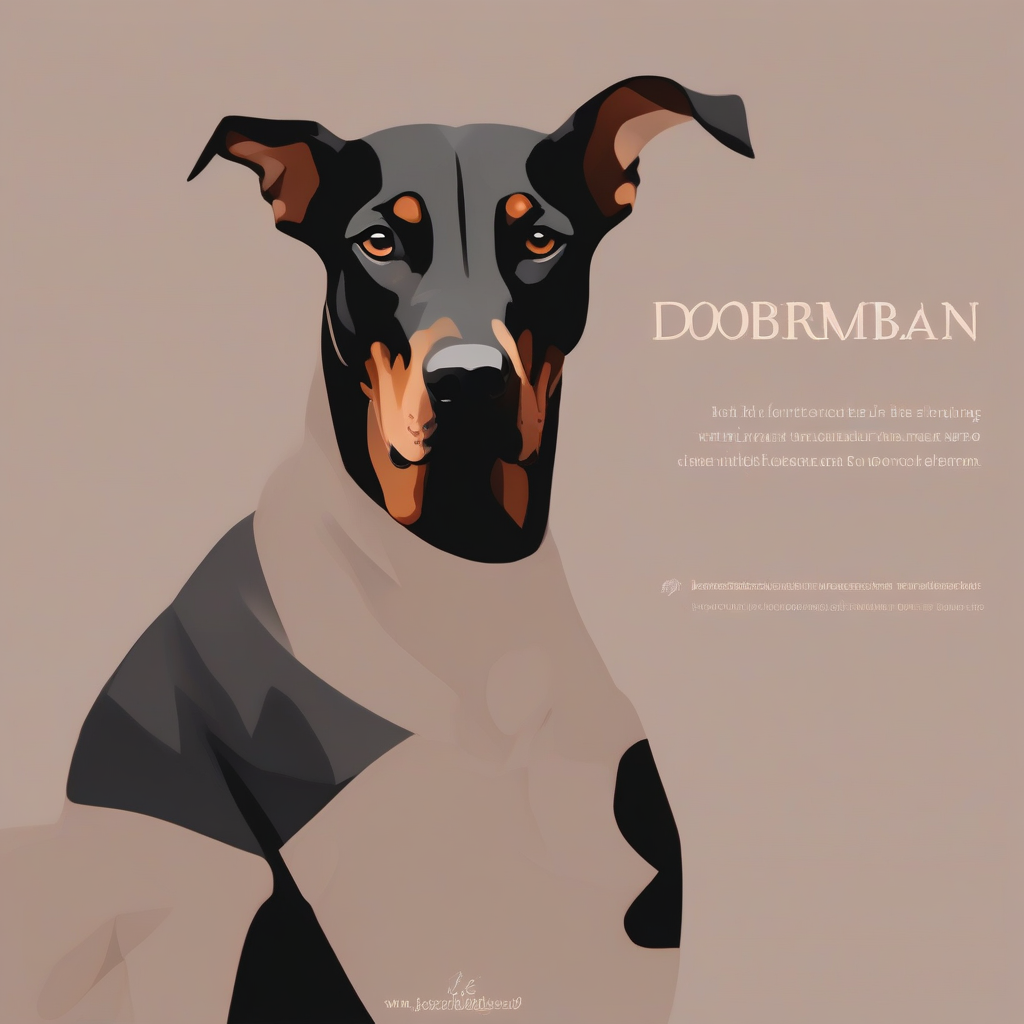
Introduction to the Guard Dog Debate
When it comes to formidable, loyal, and highly intelligent guard dogs, the Doberman Pinscher and the Rottweiler are two of the most iconic breeds in the world. Both have a rich history of working alongside humans in military, police, and personal protection roles. Because of their imposing presence and protective instincts, many potential owners and dog enthusiasts often ask: between the Doberman and the Rottweiler, which is more dangerous? To answer this, we need to look beyond Hollywood stereotypes and examine their temperament, physical capabilities, and how human handling shapes their behavior.
Understanding the "Dangerous Dog" Label
The term "dangerous" is highly subjective when applied to dogs. In the canine world, danger usually correlates with a breed's potential to cause harm due to its size, bite force, and protective instincts, combined with poor training or socialization. Neither the Doberman nor the Rottweiler is inherently evil or vicious. However, both are powerful working dogs that require responsible ownership.
Dobermans were originally bred in Germany by Karl Friedrich Louis Dobermann to be personal protection dogs. They are fiercely loyal and alert. If you are curious about the myths surrounding their aggression, you can read more about the truth about whether Dobermans are dangerous. Rottweilers, on the other hand, were bred to drive cattle and pull carts for butchers, requiring immense physical strength and a confident, steadfast demeanor. When evaluating danger, we must consider both the physical power of the dog and its psychological triggers.
Temperament and Personality Differences
While both breeds are protective, their approaches to guarding and their general temperaments differ significantly.
The Doberman Pinscher
Dobermans are often referred to as "Velcro dogs" because they form an incredibly close bond with their primary owner. They are highly sensitive, energetic, and intelligent. A Doberman's first line of defense is usually intimidation; they will bark, stand their ground, and use their speed to outmaneuver a threat. They are quick to react but are also highly trainable, meaning a well-socialized Doberman can easily distinguish between a normal visitor and a genuine threat.
The Rottweiler
Rottweilers are generally calmer and more observant than the high-energy Doberman. They possess a quiet confidence and tend to take a "wait and see" approach when strangers approach. However, if a Rottweiler decides that a threat is real, their response is incredibly powerful and direct. Because they are naturally more aloof with strangers, a lack of early socialization can lead to an overly suspicious and potentially dangerous dog.
Physical Strength and Bite Force
If we define "dangerous" by the sheer physical damage a dog can inflict in a worst-case scenario, the Rottweiler holds the edge. Rottweilers are significantly heavier and broader than Dobermans. A male Rottweiler can weigh up to 135 pounds, whereas a large male Doberman typically tops out around 100 pounds.
Furthermore, bite force is a critical factor. The Rottweiler has a massive, broad skull that delivers a bite force of approximately 328 PSI (pounds per square inch). The Doberman, with its narrower, more elegant snout, has a bite force of around 245 PSI. While both are more than capable of causing severe injury, the Rottweiler's raw power is unmatched in this matchup. For a deeper dive into their physical capabilities, check out our Doberman vs Rottweiler breed strength comparison.
6 Practical Tips for Managing Powerful Guard Breeds
Whether you choose a Doberman or a Rottweiler, responsible ownership is the only way to ensure these dogs are safe family companions rather than dangerous liabilities. Here are essential tips for managing these powerful breeds:
- Prioritize Early Socialization: Expose your puppy to a wide variety of people, environments, sounds, and other animals between 8 and 16 weeks of age. This prevents fear-based aggression later in life.
- Commit to Ongoing Obedience Training: Basic commands like "sit," "stay," "leave it," and a solid recall are non-negotiable. These dogs must view you as the confident leader.
- Provide Adequate Physical Exercise: A tired dog is a good dog. Dobermans need intense cardiovascular exercise, while Rottweilers need steady, strength-building walks and play sessions.
- Engage Their Minds: Both breeds are highly intelligent. Use puzzle toys, scent work, and advanced trick training to prevent boredom, which can lead to destructive and reactive behaviors.
- Set Clear Boundaries at Home: Do not allow resource guarding. Teach your dog to trade high-value items for treats and ensure they are comfortable with you handling their food bowl.
- Understand Your Limits: If you are new to dog ownership, seek professional guidance. You can learn more about whether Dobermans are good for first-time owners before making a commitment.
Which Breed Is Better Suited for You?
Choosing between these two magnificent breeds comes down to your lifestyle and experience level. If you want an active, shadow-like companion who excels in agility and obedience, the Doberman is a fantastic choice. You can explore our ultimate guide to the Doberman Pinscher for more detailed breed information.
If you prefer a more robust, calmer dog that offers an undeniable physical deterrent, the Rottweiler might be the better fit. Both breeds require an owner who is firm, fair, and consistent. For more comparisons like this, browse our Doberman versus section, or dive into our specific canine breed showdown articles.
Conclusion
So, which is more dangerous? In terms of raw physical power and the potential to cause severe damage, the Rottweiler is technically the more "dangerous" dog due to its massive size and superior bite force. However, in terms of temperament, neither dog is inherently dangerous when raised by a responsible, dedicated owner. Both the Doberman and the Rottweiler are loving, deeply loyal family members that simply require the right training, socialization, and respect for their working heritage. According to the American Kennel Club, both breeds thrive when given a job to do and a loving family to protect.
Frequently Asked Questions
Are Rottweilers more aggressive than Dobermans?
Not necessarily. Aggression is usually a result of poor breeding, lack of socialization, or improper training rather than the breed itself. Rottweilers are generally more aloof with strangers, while Dobermans are more reactive and energetic, but neither is naturally aggressive without cause.
Which breed has a stronger bite force?
The Rottweiler has a significantly stronger bite force, estimated at around 328 PSI, compared to the Doberman's estimated 245 PSI. This is due to the Rottweiler's broader skull and stronger jaw muscles.
Can a first-time owner handle a Doberman or Rottweiler?
While it is possible, neither breed is highly recommended for novice owners. Both require firm, consistent training and extensive socialization. First-time owners who choose these breeds must be willing to work closely with professional dog trainers.
Which breed is better with children?
Both breeds can be excellent with children if raised with them from puppyhood. Dobermans are very affectionate but can be boisterous and accidentally knock over small children. Rottweilers are calmer but must be monitored due to their sheer size and protective nature over "their" kids.