Doberman Mix Pitbull Complete Breed Care Guide
Discover everything you need to know about the Doberman mix Pitbull, including temperament, training tips, health care, and family compatibility.
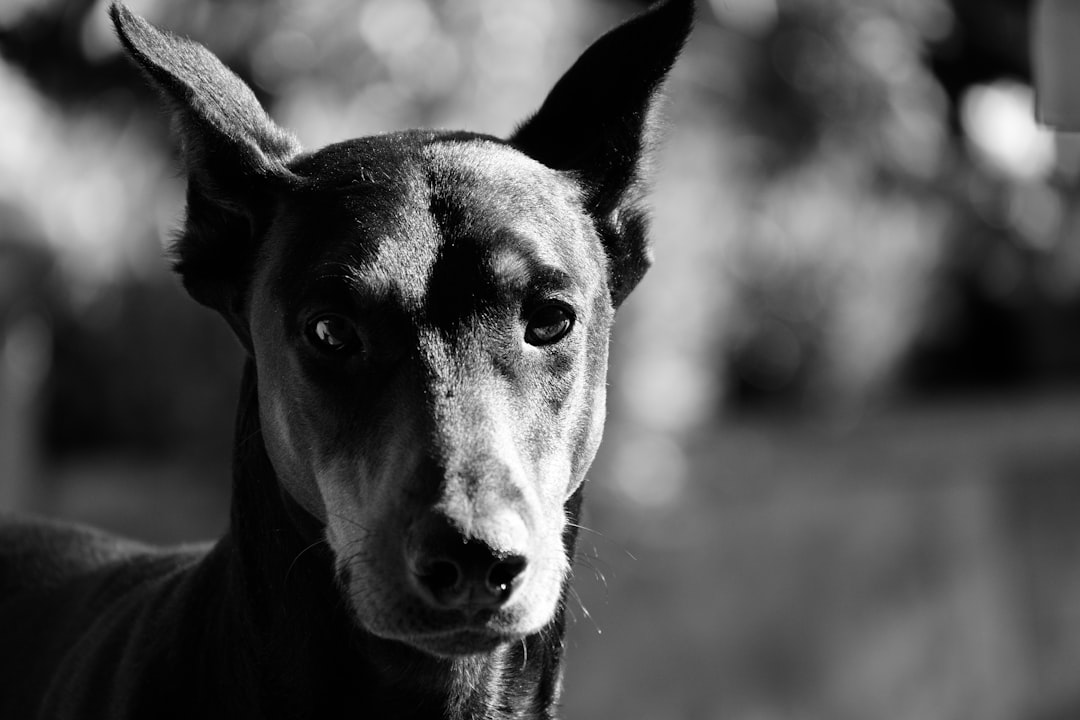
Introduction to the Doberman Pitbull Mix
If you are exploring the fascinating world of Doberman mix breeds, you have likely come across the striking and powerful Doberman mix Pitbull. Often affectionately referred to as the "Dober Pit" or "Pit Pinscher," this hybrid combines the sleek, athletic grace of the Doberman Pinscher with the muscular build and unwavering loyalty of the American Pit Bull Terrier. While both parent breeds have historically faced unfair stigmas, those who take the time to understand this mix quickly discover a deeply affectionate, intelligent, and fiercely loyal family companion.
In this comprehensive guide, we will explore the temperament, physical characteristics, and daily needs of this unique crossbreed. Whether you are actively searching for a puppy or simply curious about the breed, understanding their specific requirements is the first step to becoming a responsible and loving owner. For a deeper dive into similar crosses, you can also check out our Doberman Pitbull Mix Guide to Pit Pinschers.
Temperament and Personality: What to Expect
One of the most common questions prospective owners ask is about the temperament of the Doberman Pitbull mix. Because both parent breeds are known for their protective instincts, it is natural to wonder how these traits manifest in their offspring. If you have ever asked yourself about canine aggression, you might find our article Are Dobermans Dangerous The Truth Revealed highly illuminating, as much of the same logic applies to this mix.
The Dober Pit is typically a highly affectionate dog that forms intense bonds with its human family. They are often "Velcro dogs," meaning they love to be right by your side, whether you are hiking a trail or relaxing on the couch. They are naturally alert and make excellent watchdogs. However, their high intelligence and physical strength mean they require early socialization and consistent, positive reinforcement training to ensure they grow into well-adjusted adults.
Physical Appearance and Size
Because the Doberman Pitbull mix is a crossbreed, their appearance can vary significantly depending on which parent's genes are more dominant. Generally, you can expect a medium to large dog, weighing anywhere from 60 to 90 pounds, with a height ranging from 22 to 28 inches at the shoulder.
Their coat is almost always short, smooth, and relatively low-maintenance. The color palette of a Dober Pit is incredibly diverse. While many inherit the classic black and rust markings of the Doberman, others may showcase the brindle, fawn, blue, or solid black coats common in Pitbulls. To understand the fascinating genetics behind these coat variations, take a look at A Complete Guide to Doberman Colors.
7 Practical Tips for Raising a Doberman Pitbull Mix
Raising a powerful and intelligent breed requires dedication. If you are wondering Are Dobermans Good for First Time Owners, the answer usually depends on your willingness to put in the work. Here are seven unique and practical tips for raising a happy and healthy Dober Pit:
- Implement "Nothing in Life is Free" (NILIF): Because this mix is strong-willed, require your dog to perform a simple command (like "sit" or "wait") before receiving meals, treats, or leash attachments. This establishes your leadership gently but firmly.
- Focus on Joint-Friendly Exercise: While they are high-energy, their fast growth rate makes them susceptible to joint issues. Stick to soft surfaces like grass or dirt trails for running until their growth plates close at around 18 months of age.
- Utilize Puzzle Toys for Mental Fatigue: Physical exercise alone will not tire out a Dober Pit. Use advanced puzzle feeders and snuffle mats to engage their highly active brains, which can prevent destructive chewing behaviors.
- Practice Neutral Socialization: Instead of forcing your dog to interact with every dog they see, teach them to remain calm and neutral in the presence of other animals. This builds confidence and reduces leash reactivity.
- Invest in a Heavy-Duty Harness: Given the broad chest of the Pitbull and the deep chest of the Doberman, standard collars can put too much pressure on their trachea. A front-clip, heavy-duty harness provides better control and comfort.
- Routine Skin Inspections: Both parent breeds are prone to sensitive skin and allergies. Wipe them down with a damp cloth after walks to remove pollen, and check regularly for dry patches or hives.
- Teach an "Off Switch": High-arousal dogs need to learn how to relax. Practice "place" training, where the dog is rewarded for lying calmly on a specific mat or bed, helping them regulate their own energy levels indoors.
For more comprehensive advice on daily routines and health maintenance, browse our extensive Doberman Care Guide.
Health and Lifespan
The Doberman Pitbull mix generally enjoys a lifespan of 10 to 14 years. Crossbreeds often benefit from "hybrid vigor," which can make them slightly healthier than their purebred counterparts. However, they can still inherit genetic conditions from either parent.
Common health concerns to watch for include hip dysplasia, hypothyroidism, and heart conditions such as Dilated Cardiomyopathy (DCM), which is prevalent in Dobermans. Regular veterinary check-ups are essential. It is always highly recommended to consult resources from reputable veterinary organizations, such as the American Veterinary Medical Association, to stay informed about preventative care and vaccination schedules.
Conclusion
The Doberman mix Pitbull is a magnificent, athletic, and deeply loving companion for the right household. They thrive in environments where they receive ample physical exercise, mental stimulation, and consistent, loving leadership. While they may not be the best fit for a completely novice owner who lacks the time to train them, those who invest in their Dober Pit will be rewarded with an unbreakable bond and a fearless, loyal friend.
Frequently Asked Questions
Is a Doberman Pitbull mix aggressive?
No, a Doberman Pitbull mix is not inherently aggressive. While both parent breeds have protective instincts, aggression is typically the result of poor breeding, lack of socialization, or improper training. With early socialization and positive reinforcement, they are loving and stable family pets.
How much exercise does a Dober Pit need?
This is a high-energy crossbreed that requires at least 60 to 90 minutes of vigorous exercise every day. This should be a combination of physical activities like running or fetch, and mental stimulation like obedience training or scent work.
Are Doberman Pitbull mixes good with children?
Yes, when raised with children from a young age, they can be incredibly affectionate and protective of their human siblings. However, due to their large size and muscular build, interactions with very small children should always be supervised to prevent accidental knock-overs.
Do Dober Pits shed a lot?
They have short, single coats, which means they are moderate shedders. They do not have the heavy seasonal "blowouts" of double-coated breeds, but regular weekly brushing with a rubber curry brush will help keep loose hair under control and maintain a healthy, shiny coat.