A Complete Guide to Doberman Colors
Published
Discover all the recognized and rare Doberman colors, including black, red, blue, and fawn, along with essential coat care tips for your dog.
Introduction to Doberman Coat Colors
When you picture a Doberman Pinscher, the classic sleek black coat with sharp rust markings likely comes to mind. However, the world of Doberman genetics is surprisingly colorful and diverse. Whether you are a long-time enthusiast or a prospective owner exploring The Ultimate Guide to the Doberman Pinscher, understanding the different coat colors is a fascinating journey. The breed standard recognizes specific colors, but genetic variations can produce several unique shades, each with its own history and care requirements.
According to major kennel clubs like the American Kennel Club, there are four standard, recognized colors for the Doberman Pinscher. These colors are the result of two specific genes interacting: the color gene (black or red) and the dilution gene. In this comprehensive overview, we will explore both the standard and the rare colors, helping you understand exactly what makes these majestic dogs look the way they do.
The Four Standard Doberman Colors
The four traditional colors are widely accepted in show rings and are the most commonly seen variations of the breed. If you want a deeper dive into the genetics behind these coats, you can always check out our dedicated Doberman Pinscher Colors Guide.
Black and Rust
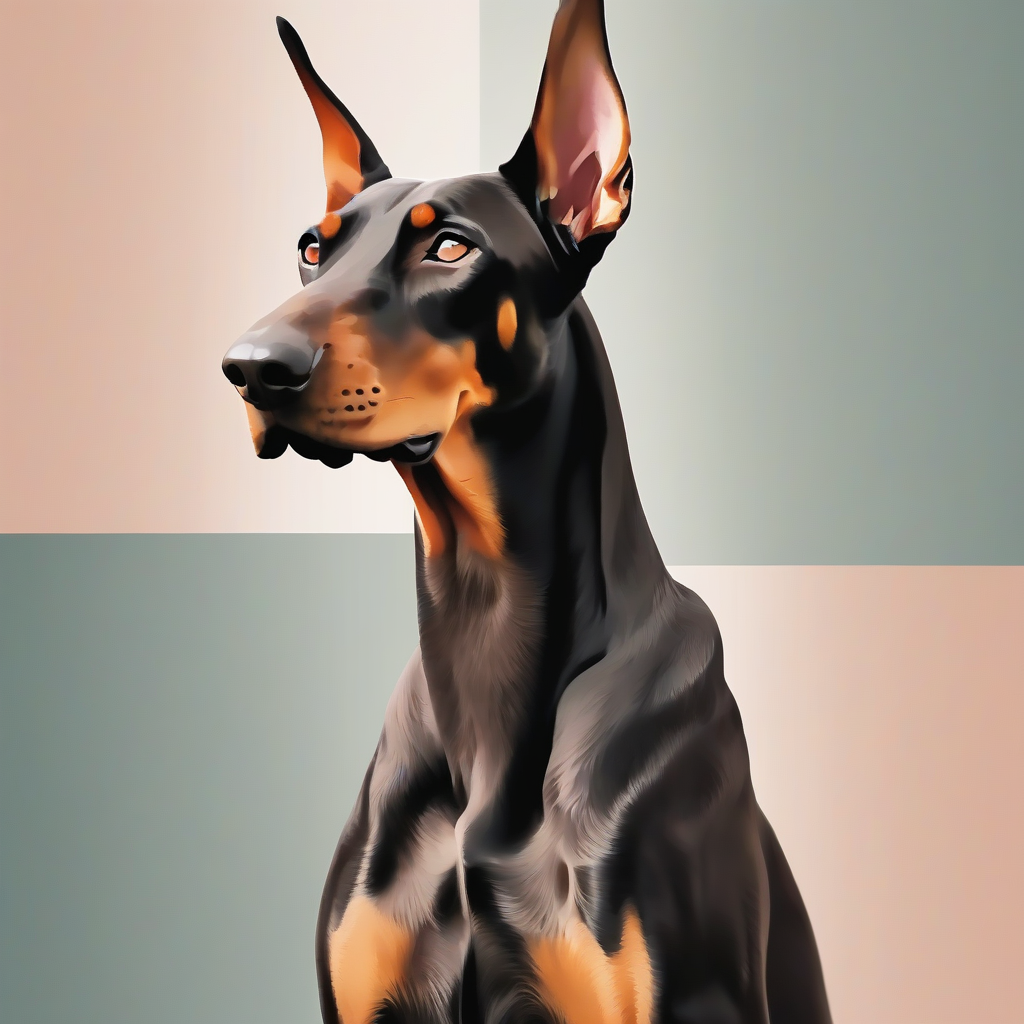
The black and rust Doberman is the quintessential representation of the breed. This color combination features a shiny, jet-black base coat with sharply defined rust (or tan) markings above each eye, on the muzzle, throat, forechest, legs, and below the tail. This dominant genetic trait is the most prevalent in the breed. The stark contrast between the dark black and the bright rust gives the dog an alert, striking, and intimidating appearance, which historically aided them in their roles as personal protection dogs.
Red and Rust (Brown)
The red and rust Doberman, often referred to as brown or chocolate, is the second most common color. These dogs possess a beautiful, warm reddish-brown coat with the same traditional rust markings. The shade of red can vary from a light coppery tone to a deep, dark chocolate. For owners interested in this specific variation, our Brown Doberman Pinscher Guide to Care and Temperament offers excellent insights into their unique personalities and grooming needs.
Blue and Rust
The blue Doberman is a genetic dilution of the black coat. Instead of jet black, the coat appears as a silvery-gray or charcoal tone. While they still possess the classic rust markings, the overall look is softer and highly unique. It is important to note that the dilution gene can sometimes affect the hair follicles, making blue Dobermans more susceptible to certain skin conditions, which requires proactive dermatological care.
Fawn (Isabella) and Rust
Fawn, sometimes called Isabella, is the rarest of the four standard colors. This color is a genetic dilution of the red coat, resulting in a light, silvery-beige or champagne color. Like the blue Doberman, the fawn variation can be prone to coat issues. Despite this, their ethereal and elegant appearance makes them highly sought after by specific breed enthusiasts.
Rare and Unrecognized Colors
Beyond the four standard colors, genetic mutations can produce non-standard coats. While these dogs make wonderful pets, they are not accepted in standard conformation shows. For a broader look at all breed variations, you can read A Complete Guide to Types of Doberman.
White (Albino/Leucistic) Dobermans
White Dobermans have a cream-colored coat, pink noses, and icy blue eyes. This color is the result of a genetic mutation (often linked to partial albinism or leucism). Because of their lack of pigmentation, white Dobermans are highly sensitive to sunlight and are prone to sunburn, skin cancer, and vision issues. Ethical breeders generally advise against breeding for this color due to the associated health risks.
Solid Black (Melanistic) Dobermans
A solid black Doberman lacks the traditional rust markings entirely. This is caused by a melanistic gene that overrides the tan points. While they look incredibly sleek and panther-like, this color is not recognized by official breed standards and is considered a fault in the show ring.
7 Essential Tips for Doberman Coat Care
No matter what color your Doberman is, maintaining their short, single coat requires consistency. If you are new to the breed, exploring a comprehensive Doberman Care Guide is highly recommended. Here are seven practical tips to keep your dog's coat shining:
- Brush Weekly with a Rubber Mitt: Dobermans have short hair that sheds moderately. Using a rubber grooming mitt or a soft bristle brush once a week helps remove loose hair and distributes natural skin oils, enhancing the coat's shine.
- Bathe Only When Necessary: Over-bathing can strip the coat of its natural oils, leading to dry, flaky skin. Aim to bathe your Doberman every 6 to 8 weeks, or only when they get exceptionally dirty.
- Use a Moisturizing Shampoo: When you do bathe them, select a gentle, oatmeal-based or moisturizing dog shampoo. This is especially crucial for blue and fawn Dobermans who are prone to dry skin.
- Supplement with Omega Fatty Acids: Adding fish oil or a high-quality Omega-3 and Omega-6 supplement to your dog's diet can drastically improve coat texture and reduce skin inflammation.
- Monitor for Color Dilution Alopecia (CDA): If you own a blue or fawn Doberman, watch closely for signs of hair thinning or brittle fur. CDA is common in dilute colors, and early veterinary intervention can help manage the condition.
- Protect Light-Colored Dogs from the Sun: White or very light fawn Dobermans need sun protection. Limit their exposure during peak UV hours and consider using dog-safe sunscreen on their nose and ear tips.
- Wipe Down After Walks: Keep a pack of dog-safe grooming wipes near the door. Wiping your Doberman down after a walk removes environmental allergens and dirt that can dull their coat. For more everyday advice, check out our Beginner Owner Tips.
Frequently Asked Questions
What is the most common Doberman color?
The most common and recognizable color for a Doberman Pinscher is black and rust. This dominant genetic trait is the standard representation of the breed worldwide.
Do blue and fawn Dobermans have health issues?
Blue and fawn Dobermans are prone to a specific skin condition called Color Dilution Alopecia (CDA). This condition causes hair thinning, brittle fur, and dry skin, though it does not affect the dog's overall internal health or lifespan.
Are white Dobermans recognized by the AKC?
No, white Dobermans are not recognized as a standard color by the American Kennel Club. They are disqualified from conformation shows, and breeding them is highly discouraged due to the severe health and vision issues associated with their genetic mutation.
Can a Doberman be solid red?
While extremely rare, a Doberman can be solid red (lacking rust markings) due to a similar melanistic genetic mutation that causes solid black coats. However, like the solid black, this is not an accepted color in breed standards.
Conclusion
The Doberman Pinscher is a magnificent breed that comes in a beautiful array of colors. From the classic black and rust to the elegant fawn, each variation carries the same loyal, intelligent, and protective spirit that defines the breed. Understanding the genetics behind Doberman colors not only deepens your appreciation for these dogs but also prepares you for the specific grooming and health care needs your companion might require. Whether you are bringing home a traditional black pup or a unique blue rescue, providing proper coat care and nutrition will ensure your Doberman looks and feels their absolute best.