Guide to the European Doberman Temperament and Care
Published
Discover everything you need to know about the European Doberman, including temperament, size, care tips, and how they compare to American Dobermans.
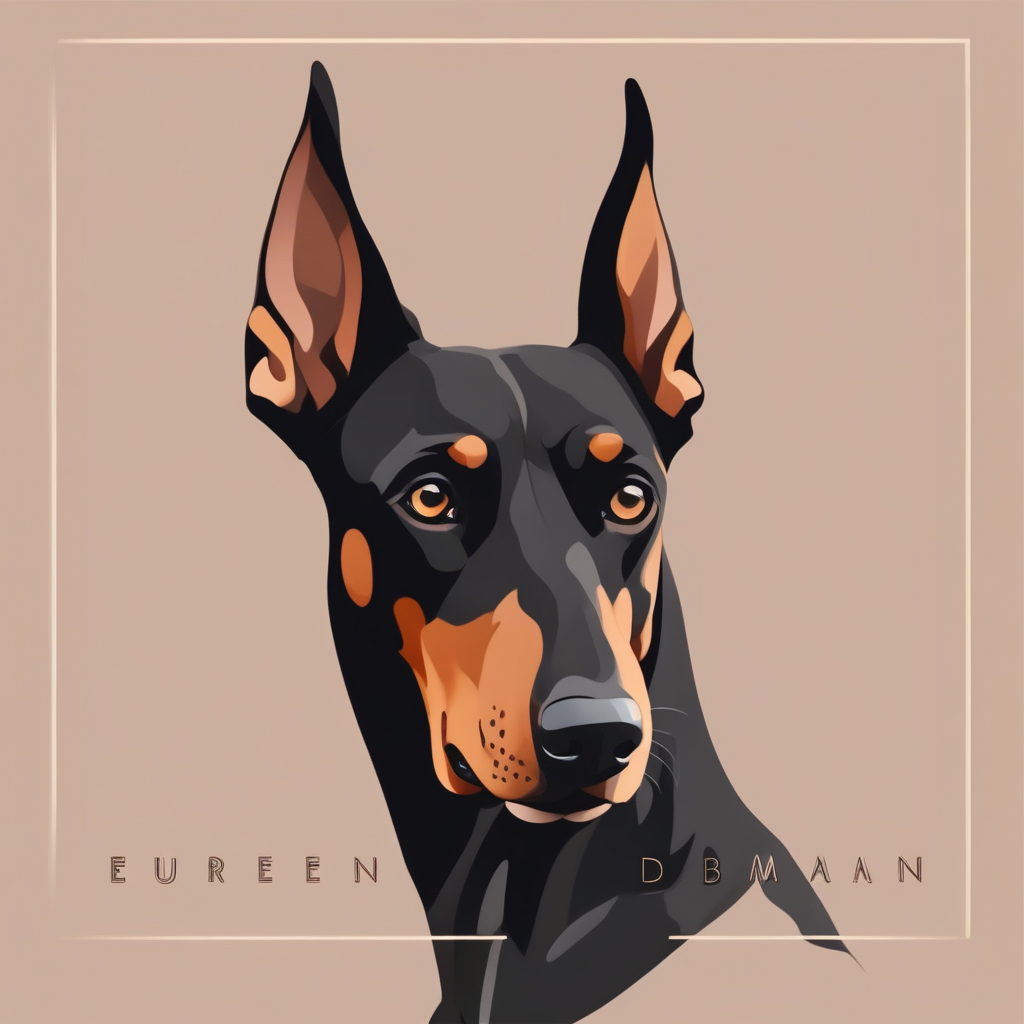
Introduction to the European Doberman
If you are looking for a dog that embodies strength, loyalty, and an unparalleled work ethic, the European Doberman is a breed that demands your attention. Originally bred in Germany by Karl Friedrich Louis Dobermann, these magnificent dogs were designed to be the ultimate personal protectors. Today, the European lines remain incredibly true to their working dog heritage. They are robust, highly intelligent, and deeply devoted to their families. Whether you are an experienced handler looking for a sport dog or an active family seeking a loyal guardian, understanding the unique traits of the European Doberman is essential for a harmonious relationship.
European vs. American Dobermans: What is the Difference?
While they share the same ancestry, European and American Dobermans have diverged significantly over the decades due to different breeding goals. American breeders have largely focused on the conformation ring, aiming for an elegant, sleek, and refined dog that excels in showmanship and makes a gentle family companion. In contrast, European breeders adhere strictly to the working standards set by organizations like the Fédération Cynologique Internationale (FCI). To pass breeding suitability tests (like the ZTP in Germany), a European Doberman must prove its courage, stability, and physical capability.
Because of these differing priorities, you will notice distinct physical and behavioral differences. If you are curious about how these variations fit into the broader spectrum of the breed, you can explore our comprehensive guide to the different types of Dobermans. Generally, the European variant is thicker, more muscular, and possesses a much higher drive for work and protection.
Physical Characteristics and Size
The European Doberman is a powerhouse. They feature a broader chest, a thicker neck, and a more pronounced, blocky head compared to their American counterparts. Their bone structure is significantly heavier, giving them a more intimidating and substantial presence.
Males typically stand between 27 to 28 inches at the shoulder and can weigh anywhere from 88 to 105 pounds. Females are slightly smaller, standing 25 to 27 inches and weighing between 70 and 85 pounds. Because of their rapid growth and heavy muscle mass, it is crucial to monitor their development carefully. For a detailed breakdown of what to expect as your puppy grows, check out our Doberman size and growth expectations.
Temperament and Working Drive
The temperament of a European Doberman is intense, focused, and deeply loyal. They are affectionately known as "Velcro dogs" because they bond intensely with their primary handler and prefer to be leaning against you at all times. However, this loyalty comes with a fierce protective instinct. They are naturally suspicious of strangers and possess a high prey drive, making them exceptional guard dogs.
Because of their strong personalities, they require a confident owner who can provide firm, fair, and consistent leadership. Without a "job" to do, their high energy and intelligence can quickly turn into destructive behaviors. If you are weighing your options for a protection breed, you might find it helpful to read about comparing the Doberman and Rottweiler to see which working temperament best suits your lifestyle. You can also browse our breed comparisons category for more insights into how the Doberman stacks up against other popular breeds.
7 Practical Care and Training Tips for the European Doberman
Raising a European Doberman is a rewarding but demanding journey. Here are seven detailed, practical tips to ensure your dog thrives:
- Engage in Structured Obedience: European Dobermans thrive on rules and structure. Begin basic obedience the day you bring your puppy home. For step-by-step strategies, read our guide on training a Doberman effectively.
- Provide High-Intensity Exercise: A simple walk around the block will not suffice. These dogs need vigorous exercise like running, hiking, or participating in dog sports like IGP (Schutzhund) or agility to burn off their physical energy.
- Prioritize Early Socialization: Because of their natural guarding instincts, you must expose your European Doberman to a wide variety of people, environments, and other animals during their critical socialization window (up to 16 weeks) to prevent fear-based aggression.
- Incorporate Mental Enrichment: Mental fatigue is just as important as physical exhaustion. Use puzzle toys, scent work, and advanced trick training to keep their sharp minds engaged.
- Protect Their Joints During Growth: Due to their heavy bone structure and rapid growth rate, avoid forced running on hard surfaces or excessive jumping until their growth plates close around 18 to 24 months of age.
- Establish Consistent Boundaries: European Dobermans will test your limits. Everyone in the household must enforce the same rules to prevent the dog from becoming manipulative or overly dominant.
- Feed a High-Quality Diet: Fuel their muscular bodies with a premium, high-protein diet tailored for large, active breeds. Consult your veterinarian to ensure they are getting the right balance of calcium and phosphorus.
For more foundational advice on keeping your dog healthy and happy, be sure to visit our comprehensive Doberman care guides.
Health and Lifespan
Like all large breeds, the European Doberman is susceptible to certain genetic health conditions. Dilated Cardiomyopathy (DCM) is the most significant health concern in the breed, affecting a large percentage of Dobermans worldwide. Other potential issues include von Willebrand's disease (a bleeding disorder), hip dysplasia, and hypothyroidism.
When purchasing a European Doberman puppy, it is absolutely vital to choose a reputable breeder who performs comprehensive health testing (including Holter monitoring and echocardiograms for the parents) rather than just DNA tests. With excellent care, a high-quality diet, and regular veterinary check-ups, a European Doberman typically enjoys a lifespan of 9 to 12 years.
Conclusion
The European Doberman is a magnificent, highly capable working dog that brings immense joy, security, and companionship to the right home. They are not the best fit for novice owners or those with sedentary lifestyles, as their need for physical exertion and mental stimulation is exceptionally high. However, if you are willing to invest the time, energy, and love required to train and socialize them properly, you will be rewarded with a fearless protector and a deeply affectionate family member.
Frequently Asked Questions
Are European Dobermans bigger than American Dobermans?
Yes, European Dobermans generally have a thicker, heavier bone structure and carry more muscle mass than American Dobermans. While their height might be similar, the European variant looks much broader and more robust.
Do European Dobermans make good family pets?
They can make excellent family pets for active, experienced families. They are incredibly loyal and affectionate with their own "pack." However, they require extensive socialization and training from a young age to ensure their protective instincts are properly managed around children and guests.
How much exercise does a European Doberman need?
A European Doberman requires at least 1.5 to 2 hours of vigorous exercise every single day. This should be a mix of physical activities like running or fetching, combined with intense mental stimulation through obedience training or dog sports.
What is the lifespan of a European Doberman?
The average lifespan of a European Doberman is between 9 and 12 years. Proactive veterinary care, especially regular heart screenings for Dilated Cardiomyopathy (DCM), is crucial for maximizing their longevity and quality of life.