Doberman Labrador Mix Guide to the Doberador
Discover everything you need to know about the Doberman Labrador mix, including temperament, care tips, and training for your loyal Doberador.
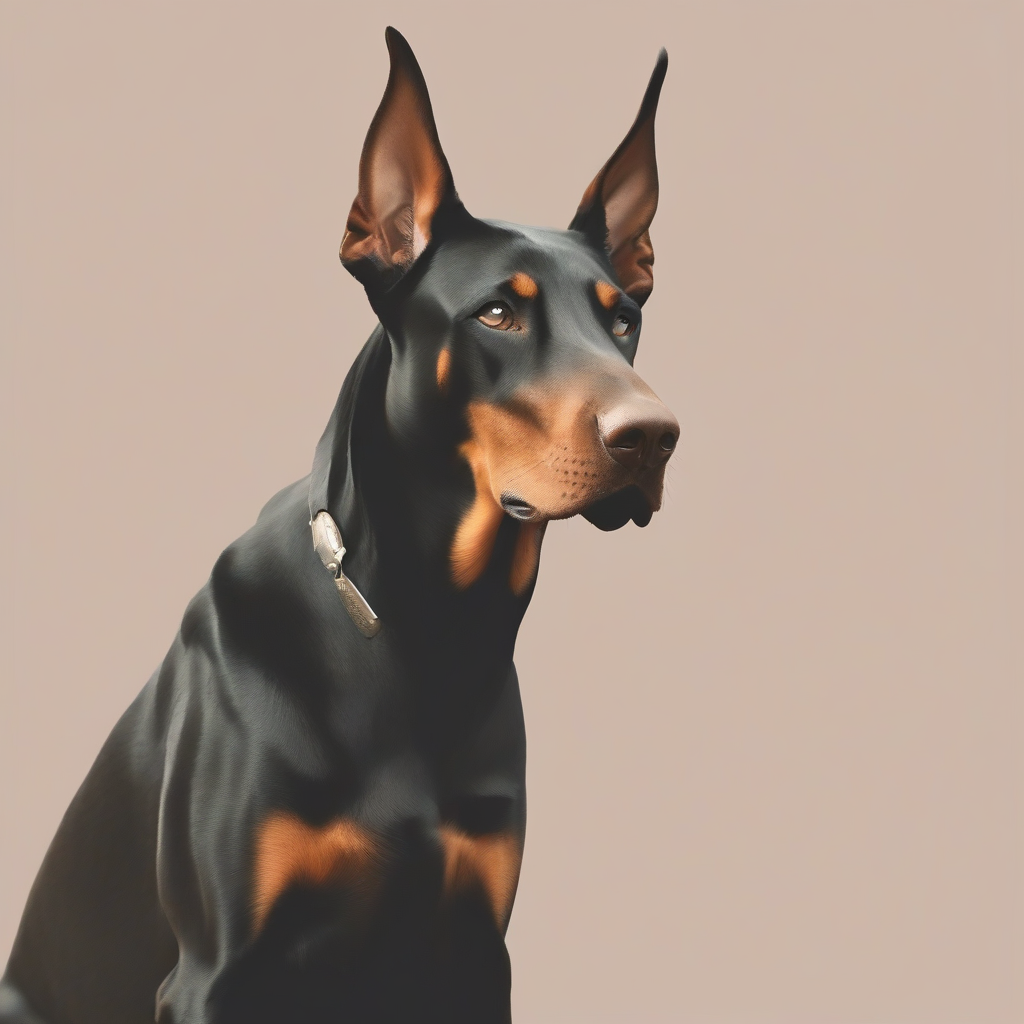
Welcome to the wonderful world of the Doberador! If you are looking for a canine companion that combines the fierce loyalty of a Doberman Pinscher with the goofy, family-friendly nature of a Labrador Retriever, the Doberman Lab mix might just be your perfect match. Often affectionately called the "Doberador," this hybrid breed is quickly gaining popularity among active families and dog enthusiasts alike.
As experts in Doberman Mix Breeds, we know that bringing a crossbreed into your home requires a deep understanding of both parent breeds. In this comprehensive guide, we will explore the appearance, temperament, and essential care requirements of the Doberman Labrador mix to help you decide if this incredible dog is the right fit for your lifestyle.
Appearance and Size of the Doberador
Because the Doberador is a mixed breed, their appearance can vary significantly depending on which parent's genes are more dominant. However, you can generally expect a large, athletic dog with a strong, muscular build. Most Doberman Lab mixes weigh anywhere from 60 to 90 pounds and stand between 24 and 28 inches tall at the shoulder.
Their coat is typically short, dense, and water-resistant, inheriting traits from the Labrador Retriever. Color-wise, Doberadors often sport the classic black and rust markings of the Doberman, but they can also be solid black, chocolate, or even yellow, depending on the Labrador parent. Their ears may stand erect if cropped (though this is becoming less common) or flop down adorably like a Lab's.
Temperament: The Best of Both Worlds
The temperament of a Doberman Lab mix is often described as the perfect balance of protective and playful. Dobermans are renowned for their intelligence and guarding instincts, while Labradors are famously outgoing and eager to please. When combined, you get a highly trainable, devoted family dog.
Many prospective owners wonder about how these dogs interact with other pets. If you are curious about their socialization needs, you might want to read our article on Are Dobermans Good With Other Dogs. Generally, with early socialization, a Doberador will get along wonderfully with other dogs and children, making them an excellent addition to a bustling household.
6 Essential Care Tips for Your Doberman Lab Mix
Caring for a Doberador requires commitment, especially given their high energy levels and intelligence. Here are six practical, detailed tips to ensure your Doberman Lab mix thrives:
1. Implement High-Intensity Exercise Routines
A simple walk around the block will not cut it for this energetic hybrid. Both parent breeds are working dogs. Aim for at least 60 to 90 minutes of vigorous exercise daily. Incorporate activities like fetch, swimming (thanks to the Lab genes!), or agility training to burn off physical energy and prevent destructive behaviors.
2. Prioritize Early and Diverse Socialization
Because the Doberman side can be naturally wary of strangers, early socialization is critical. Introduce your Doberador puppy to various sights, sounds, people, and other animals between the ages of 8 and 16 weeks. This helps them develop into confident, well-adjusted adults rather than fearful or overly protective dogs.
3. Invest in Advanced Mental Stimulation
Doberadors are incredibly smart. Without mental engagement, they will easily become bored and anxious. Use puzzle toys, snuffle mats, and interactive games to challenge their brains. Teaching them complex tricks or giving them "jobs" around the house (like carrying a doggie backpack during hikes) will keep them mentally satisfied.
4. Focus on Joint Health in Their Diet
Large breeds like Dobermans and Labs are prone to joint issues such as hip and elbow dysplasia. Feed your Doberador a high-quality diet formulated for large breeds, and consider adding supplements like glucosamine and chondroitin. Keeping them at a healthy weight is the best way to reduce stress on their joints.
5. Use Positive Reinforcement Training
While they are eager to please, Doberadors can also be sensitive. Harsh training methods will damage your bond. Rely strictly on positive reinforcement—using treats, praise, and play to reward good behavior. If you are new to dog ownership, check out our guide on Are Dobermans Good for First Time Owners to see if you are ready for the training commitment.
6. Manage Separation Anxiety Proactively
Both Dobermans and Labs are "velcro dogs" that bond intensely with their human families. They do not do well when left alone for long periods. Crate training from a young age, leaving safe chew toys, and practicing short absences can help prevent severe separation anxiety. For more puppy tips, review our Guide to Raising Doberman Pinscher Puppies.
Health and Lifespan
Mixed breeds often benefit from "hybrid vigor," meaning they can be healthier than their purebred parents. However, you should still be aware of conditions common to both breeds, such as bloat (gastric dilatation-volvulus), heart issues like dilated cardiomyopathy (DCM), and joint dysplasia. Regular veterinary check-ups and a healthy lifestyle can help your Doberador live a full life, typically ranging from 10 to 14 years. For authoritative health screening guidelines, you can always reference resources from the American Kennel Club.
Is the Doberador Right for You?
The Doberman Lab mix is a phenomenal companion for the right person or family. They require an owner who is active, dedicated to consistent training, and has plenty of love to give. If you have a spacious yard and the time to invest in their physical and mental well-being, the Doberador will reward you with unwavering loyalty and endless affection.
To dive even deeper into this specific crossbreed, be sure to explore our dedicated Doberman Lab Mix category, and don't miss our comprehensive Doberman Labrador Mix Guide to the Doberador for a complete breakdown of what to expect.
Frequently Asked Questions
How big does a Doberman Lab mix get?
A Doberman Lab mix is a large dog, typically weighing between 60 and 90 pounds and standing 24 to 28 inches tall at the shoulder. Males are generally larger and more muscular than females.
Are Doberadors aggressive?
No, Doberadors are not inherently aggressive. While they may inherit a protective instinct from their Doberman parent, proper training and early socialization ensure they are friendly, well-mannered, and excellent family pets.
Do Doberman Lab mixes shed a lot?
Yes, they do shed. While their coat is short, the Labrador parent is notorious for shedding. You can expect moderate shedding year-round, with heavier shedding during seasonal changes. Weekly brushing will help keep loose fur under control.
Is the Doberador a good apartment dog?
Generally, no. Due to their large size and high energy levels, Doberadors thrive best in homes with securely fenced yards where they can run and play. They can adapt to apartment living only if the owner is extremely dedicated to providing several hours of vigorous outdoor exercise every day.