Complete Guide to the Doberman Mix Labrador
Published
Discover everything about the Doberman Mix Labrador, including temperament, care tips, and what to expect from this fiercely loyal crossbreed.
Introduction to the Doberman Labrador Mix
If you are looking for a dog that combines the fierce loyalty of a guard dog with the goofy, loving nature of a family pet, the Doberman Mix Labrador might just be your perfect match. Affectionately known as the Doberdor, this designer dog blends the sleek athleticism of the Doberman Pinscher with the friendly, eager-to-please attitude of the Labrador Retriever. Whether you are an active single or a bustling family, understanding the unique traits of this hybrid will help you provide the best possible home.
As you explore the fascinating world of Doberman Mix Breeds, it becomes clear that the Doberdor stands out for its versatility. They are highly intelligent, deeply devoted, and possess a striking physical presence. In this comprehensive guide, we will dive into their temperament, physical characteristics, and the essential care routines required to keep them happy and healthy.
What is a Doberman Mix Labrador?
The Doberman Mix Labrador is a crossbreed resulting from mating a purebred Doberman Pinscher with a purebred Labrador Retriever. Because both parent breeds are highly respected and recognized by organizations like the American Kennel Club (AKC), the resulting mix inherits a fascinating combination of working-dog drive and sporting-dog enthusiasm.
While purebred dogs offer predictability, a Doberman Lab Mix can lean toward either parent's traits. Some may inherit the protective instincts and sleek coat of the Doberman, while others might showcase the broader head, water-resistant coat, and outgoing friendliness of the Lab. This genetic lottery makes every Doberdor entirely unique.
Temperament and Personality Traits
The personality of a Doberdor is often described as a beautiful balancing act. Labs are famously outgoing and friendly to everyone they meet, while Dobermans are naturally aloof with strangers and highly protective of their families. When blended, you typically get a dog that is alert and watchful, yet incredibly affectionate with their inner circle.
Early socialization is critical for this breed. If you want to ensure your Doberdor grows into a well-adjusted adult, you must expose them to various people, pets, and environments from a young age. For excellent strategies on this, check out our guide on how to train a Doberman to be friendly. With the right guidance, they make phenomenal family companions who will gladly play fetch in the yard before curling up at your feet for the evening.
Physical Appearance and Size
Because both the Doberman and the Labrador are large, athletic dogs, you can expect your Doberdor to be a substantial canine. Typically, a fully grown Doberman Mix Labrador will stand between 24 to 28 inches at the shoulder and weigh anywhere from 60 to 100 pounds, depending on which parent's genetics are more dominant.
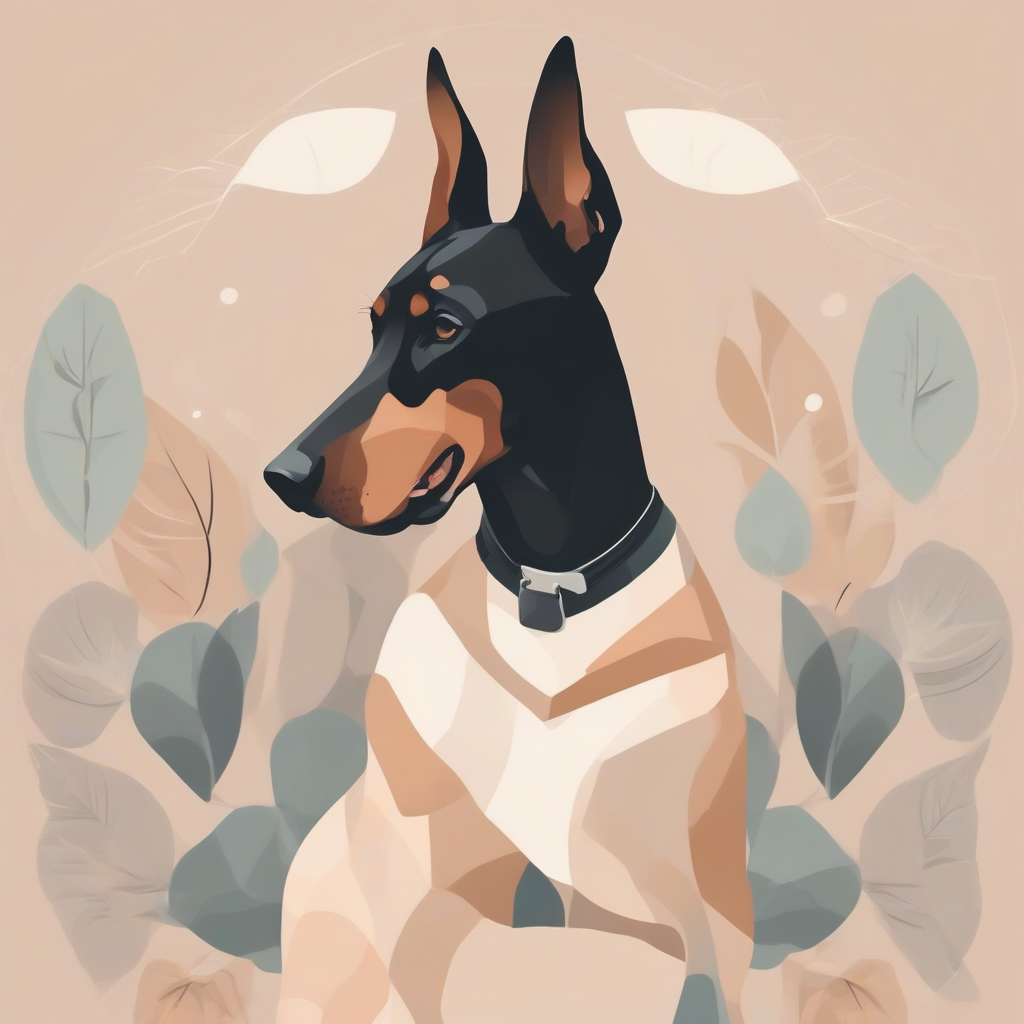
Their coat is usually short, dense, and relatively easy to maintain. Colors can vary widely, ranging from the classic black and rust markings of the Doberman to solid black, chocolate, or yellow inherited from the Labrador side. Their ears may stand erect if cropped (though many inherit the Lab's floppy ears), and they generally possess a deep chest and a strong, muscular build.
7 Essential Care and Training Tips for Your Doberdor
Raising a large, intelligent crossbreed requires dedication. Here are seven practical, unique tips to help your Doberman Mix Labrador thrive:
- Implement Puzzle Feeding: Both parent breeds are highly intelligent and prone to boredom. Ditch the standard food bowl and use puzzle toys or snuffle mats for their meals. This provides essential mental stimulation and slows down their eating, which helps prevent bloat.
- Start Joint Supplements Early: Because both Labs and Dobermans are susceptible to joint issues like hip dysplasia, consult your vet about starting omega-3 fatty acids and glucosamine supplements by the time they reach adulthood.
- Master the "Place" Command: Doberdors can be "velcro dogs" that follow you everywhere. Teaching them a strong "place" command (sending them to a specific bed or mat) helps them build independence and settle down when guests arrive.
- Use a Rubber Curry Brush: While their coats are short, they do shed. A rubber curry brush used twice a week will pull out loose undercoat hair and distribute natural skin oils, keeping their coat shiny and your furniture clean.
- Create a Socialization Checklist: Don't just take them for walks. Create a checklist of 50 different sights, sounds, and surfaces (like skateboards, umbrellas, and gravel) to introduce them to before they are 16 weeks old. If you are raising a young pup, our guide to Doberman mix breeds puppies is an invaluable resource.
- Structure Their Exercise: A simple walk won't tire out a Doberdor. Incorporate structured play, like fetch on a hill or swimming (thanks to the Lab genes). Be sure to tailor their activity level to their growth stage by following a reliable Doberman exercise needs by age guide to protect developing joints.
- Prioritize Positive Reinforcement: Despite their tough appearance, Doberdors are highly sensitive. Harsh training methods will damage your bond. Use high-value treats and enthusiastic praise to shape their behavior.
Health and Lifespan
Mixed breeds often benefit from "hybrid vigor," meaning they can be healthier than their purebred parents due to a wider gene pool. However, the Doberman Mix Labrador can still inherit health conditions common to both breeds. Owners should watch out for hip and elbow dysplasia, heart conditions like Dilated Cardiomyopathy (DCM), and Von Willebrand's disease (a bleeding disorder).
With a high-quality diet, regular veterinary check-ups, and plenty of exercise, a healthy Doberdor typically enjoys a lifespan of 10 to 14 years. Establishing a strong foundation of care during their early months is crucial. If you are a new owner, reviewing an ultimate Doberman puppy care guide for beginners will set you on the right path for long-term health.
Frequently Asked Questions
Are Doberman Lab mixes good with children?
Yes, when properly socialized from a young age, Doberdors are fantastic with children. They inherit the Labrador's playful and patient nature, combined with the Doberman's protective instincts. However, due to their large size and high energy, interactions with very small children should always be supervised to prevent accidental knock-overs.
How much exercise does a Doberdor need daily?
A Doberman Mix Labrador is a high-energy dog that requires at least 60 to 90 minutes of vigorous exercise every day. This should be a mix of physical activities like running, hiking, or swimming, alongside mental exercises like obedience training and scent work to keep them fully satisfied.
Do Doberman Lab mixes shed a lot?
They are moderate shedders. While they don't have the thick, fluffy coats of some breeds, the Labrador parent does have a double coat that sheds seasonally. Regular brushing a few times a week will help keep the shedding manageable and their coat looking healthy.
Is the Doberdor easy to train?
Yes, they are generally very easy to train due to their high intelligence and eagerness to please their owners. They respond incredibly well to positive reinforcement. However, they can be strong-willed, so consistency and confident leadership are required to prevent them from developing stubborn habits.
Conclusion
The Doberman Mix Labrador is a truly remarkable hybrid that brings together the best of two beloved breeds. They offer the unwavering loyalty and sleek athleticism of the Doberman alongside the joyful, friendly demeanor of the Labrador Retriever. While they require a significant commitment in terms of exercise, training, and socialization, the reward is a deeply bonded, affectionate, and capable canine companion.
If you have the time, energy, and love to give, the Doberdor will quickly become an irreplaceable member of your family, ready to protect your home and play fetch in the yard with equal enthusiasm.