Ultimate Doberman Puppy Care Guide for Beginners
Published
Discover essential tips for raising a healthy, happy Doberman puppy with our comprehensive care guide covering training, nutrition, and socialization.
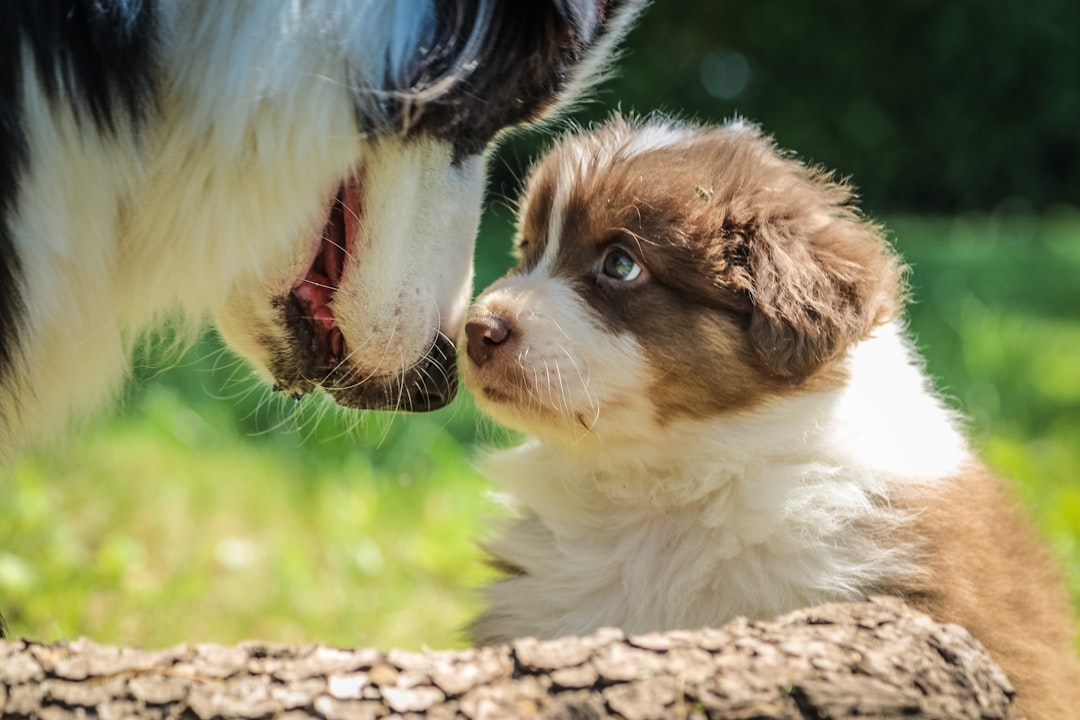
Welcome to Your Doberman Puppy Journey
Bringing a Doberman puppy into your home is an incredibly exciting and rewarding experience. Known for their fierce loyalty, striking elegance, and sharp intelligence, Dobermans make exceptional companions when given the right start in life. However, raising a working breed requires dedication, consistency, and a solid understanding of their unique needs. If you are looking for a reliable Doberman care guide, you have come to the right place. This comprehensive guide will walk you through everything you need to know to raise a well-adjusted, healthy, and happy Doberman puppy.
Preparing Your Home for a Doberman Puppy
Before your new puppy even sets paw in your house, preparation is key. Doberman puppies are notoriously curious and energetic, meaning they will explore every nook and cranny of your home. Start by thoroughly puppy-proofing your living space. Remove toxic plants, secure loose electrical cords, and store household chemicals out of reach.
Setting up a dedicated safe space is also crucial. Invest in a high-quality, heavy-duty crate. Crate training not only aids in potty training but also provides your puppy with a secure den where they can retreat when overwhelmed. Remember, growing puppies need up to 18 to 20 hours of sleep per day, so a quiet, comfortable resting area is non-negotiable.
Essential Doberman Puppy Nutrition
Proper nutrition is the foundation of your Doberman's long-term health. Because Dobermans are a large breed, their puppies grow rapidly. It is vital to feed them a high-quality, commercially prepared diet specifically formulated for large-breed puppies. These formulas contain the precise ratio of calcium and phosphorus needed to support slow, steady bone growth, which helps prevent joint issues like hip dysplasia later in life.
Here are a few practical feeding tips for your new puppy:
- Stick to a Schedule: Feed your puppy three evenly spaced meals a day until they are about six months old, then transition to two meals a day.
- Avoid Overfeeding: Keep your Doberman lean. Excess weight puts unnecessary strain on developing joints.
- Hydration is Key: Ensure fresh, clean water is available at all times, but consider picking up the water bowl two hours before bedtime to help with overnight potty training.
For more information on canine nutrition standards, you can always consult resources provided by the American Kennel Club.
Training and Socialization: Building a Good Canine Citizen
Dobermans are highly intelligent and eager to please, making them highly trainable. However, their intelligence also means they can easily pick up bad habits if left to their own devices. Early socialization and obedience training are absolutely critical for this breed.
Implement the "Rule of 7s" for socialization. By the time your puppy is seven weeks old (and continuing safely until they are fully vaccinated), they should have experienced seven different surfaces, played with seven different types of toys, been in seven different locations, and met seven new people. This early exposure builds confidence and prevents fear-based aggression.
When it comes to training, positive reinforcement is the most effective method. Use treats, praise, and play to reward good behavior. Dobermans are sensitive dogs; harsh corrections will only damage the bond between you and your puppy. If you are curious about how the Doberman's protective instincts and drive compare to other working breeds, you might find our Doberman vs German Shepherd Fight Comparison an interesting read.
For those who might be raising a mixed breed, the training principles remain similar but may require slight adjustments based on the other breed's traits. For example, reading our Complete Guide to the Doberman Lab Mix can provide insight into how the Doberman's focus blends with the Labrador's retrieving instincts. Alternatively, if you live in an apartment and are interested in smaller variations, check out our Miniature Doberman Mix Breeds Guide and Profiles.
Health, Wellness, and Grooming Routines
Establishing a health and grooming routine early on will make your life much easier as your Doberman grows into a powerful adult dog. Dobermans have short, single coats that are relatively low-maintenance, but they still require regular care.
Start desensitizing your puppy to grooming tools immediately. Gently handle their paws, look inside their ears, and open their mouths daily. This makes nail trimming, ear cleaning, and teeth brushing a stress-free experience. Dobermans are prone to dental issues, so introducing a dog-specific toothbrush and toothpaste early is a highly recommended practice.
Mental stimulation is just as important as physical health. A bored Doberman is a destructive Doberman. Incorporate puzzle toys, snuffle mats, and short training sessions into their daily routine to keep their sharp minds engaged. For more foundational advice on establishing routines, visit our Beginner Owner Tips.
Frequently Asked Questions
How much exercise does a Doberman puppy need?
While adult Dobermans require vigorous daily exercise, puppies need structured, moderate activity to protect their developing joints. A good rule of thumb is five minutes of exercise per month of age, up to twice a day. Avoid forced running or jumping until their growth plates close around 18 months of age.
When should I start training my Doberman puppy?
You should start training your Doberman puppy the moment you bring them home. Begin with basic commands like sit, stay, and come, as well as potty training and crate training. Keep sessions short, positive, and fun to maintain their attention.
Are Doberman puppies aggressive?
No, Doberman puppies are not naturally aggressive. They are, however, a protective and alert breed. Proper socialization, consistent training, and positive reinforcement from a young age are essential to ensure they grow into well-mannered, confident, and friendly adult dogs.
How do I stop my Doberman puppy from biting?
Puppy biting, or mouthing, is normal behavior, especially during teething. Redirect their biting to appropriate chew toys. If they nip your hands or clothes, let out a sharp yelp, immediately stop playtime, and ignore them for a few moments to teach them that biting ends the fun.
Conclusion
Raising a Doberman puppy is a significant commitment, but the reward is an unbreakable bond with one of the most magnificent dog breeds in the world. By focusing on proper nutrition, early socialization, positive reinforcement training, and consistent health routines, you are setting your puppy up for a lifetime of success. Embrace the puppy phase, stay patient through the challenges, and enjoy the journey of watching your little Doberman grow into a loyal and loving protector.