Doberman vs German Shepherd Fight Comparison
Published
Discover the ultimate comparison between the Doberman and German Shepherd, exploring their strength, bite force, and protective instincts.
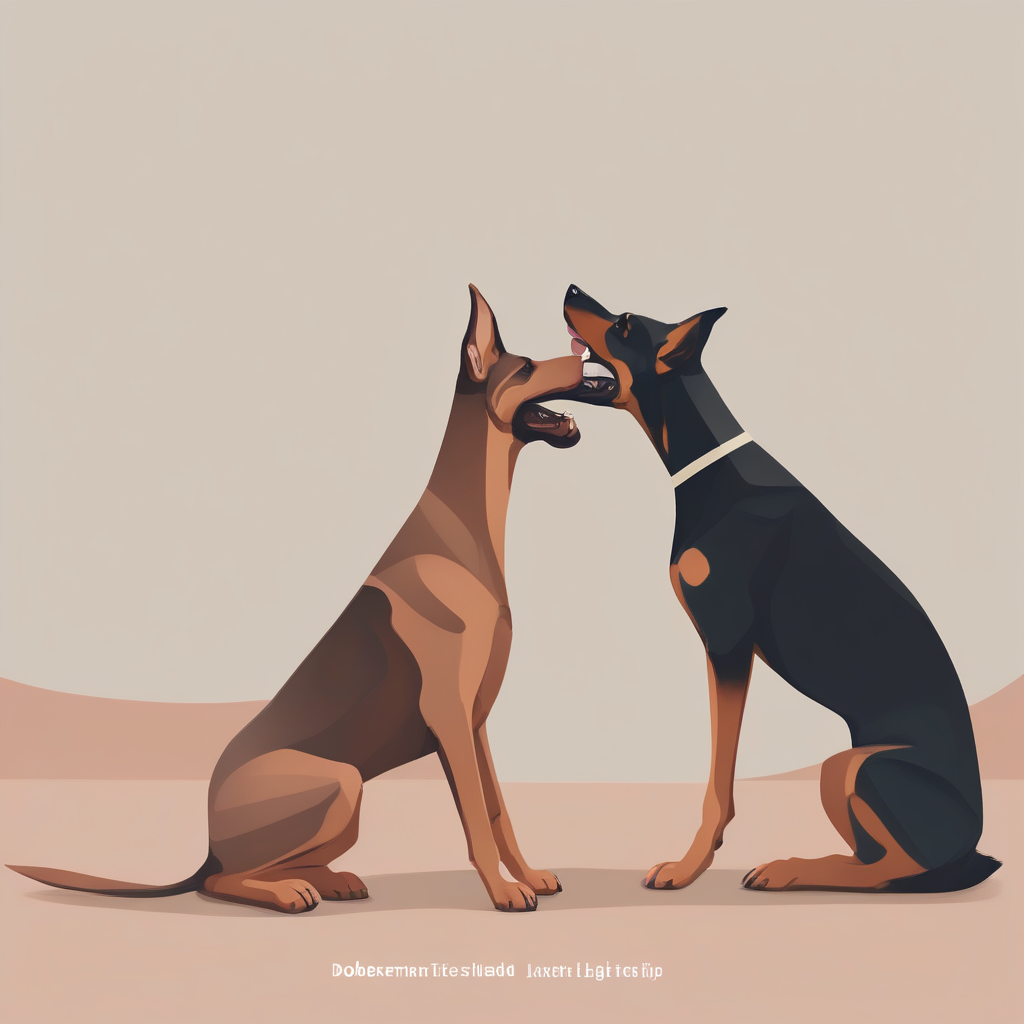
Understanding the Ultimate Canine Showdown
When discussing the world's most formidable protection dogs, the Doberman Pinscher and the German Shepherd inevitably dominate the conversation. Both breeds possess immense strength, unwavering loyalty, and a commanding presence. While we absolutely do not condone or support dog fighting, analyzing a hypothetical Doberman vs German Shepherd fight scenario is a fascinating way to understand the unique physical and mental attributes of these two incredible working breeds. If you love comparing dog breeds, you can explore more in our Canine Breed Showdown category.
Physical Attributes: Speed vs Power
The physical differences between these two breeds dictate how they would handle a physical confrontation or a protection scenario.
The Doberman Pinscher: Bred originally by a tax collector for personal protection, the Doberman is the epitome of canine athleticism. They are sleek, incredibly fast, and possess a deep chest with a lean, muscular build. A male Doberman typically weighs between 75 and 100 pounds. In a physical clash, the Doberman relies on its explosive speed and agility. They are known to strike quickly, using their momentum to unbalance an opponent.
The German Shepherd: Originally bred for herding and later adapted for military and police work, the German Shepherd has a more robust, heavily boned structure. Weighing between 65 and 90 pounds, they might be slightly lighter or equal in weight to a Doberman, but their center of gravity is different. German Shepherds have incredible endurance and a thick double coat that offers a layer of natural armor against bites and scratches, giving them a distinct defensive advantage.
Bite Force and Combat Style
When comparing their defensive capabilities, bite force is a frequently discussed metric. Both dogs have a scissor bite, but their jaw structures differ slightly.
The German Shepherd has a bite force of approximately 238 PSI (pounds per square inch). Their biting style is often described as a "grip and hold" technique, which is why they excel in police apprehension work. Once a German Shepherd latches onto a target, they use their powerful neck muscles to control the situation.
The Doberman's bite force is estimated to be around 245 PSI. Their historical protection style involves a "slash and release" or rapid striking technique. Because they were bred to protect their handlers from multiple human attackers, they are hardwired to hit hard, release, and assess the next threat. You can learn more about general breed standards and capabilities from the American Kennel Club.
Temperament and Intelligence
A physical confrontation isn't just about muscle; it is also about the mind. Both breeds rank in the top tier of canine intelligence.
German Shepherds are highly analytical. They tend to assess a situation before reacting, which makes them incredibly versatile in complex environments. Dobermans, on the other hand, are highly reactive and sensitive to their owner's emotions. They have a hair-trigger response to perceived threats, making them unparalleled personal bodyguards. If you are a new owner trying to manage these intense traits, check out our Beginner Owner Tips.
5 Practical Tips for Managing Powerful Breeds
Understanding the power of these breeds means recognizing the responsibility that comes with owning them. Here are five practical tips for managing strong, protective dogs to ensure they are safe and well-adjusted members of society:
- Prioritize Early Socialization: Both Dobermans and German Shepherds require extensive socialization from a young age. Expose them to various dogs, people, and environments to prevent fear-based aggression.
- Channel Energy into Dog Sports: These dogs need a job. Engage them in activities like Schutzhund (IGP), agility, or obedience trials to safely channel their bite drive and physical energy.
- Manage Same-Sex Aggression: Both breeds can be prone to same-sex aggression, particularly among males. Never leave two intact males of these breeds alone unsupervised, and always introduce new dogs on neutral territory.
- Focus on Impulse Control: Teach commands like "leave it," "place," and a solid recall. A powerful dog must be able to disengage from a highly stimulating situation the moment you give the command.
- Understand Their Warning Signs: Learn to read canine body language. A German Shepherd might lower its head and stare, while a Doberman will stand tall, puff out its chest, and emit a low rumble. Recognizing these signs can help you de-escalate a situation before a fight breaks out.
Alternative Breeds and Mixes
If you love the traits of both breeds but want a dog that might have a slightly different temperament, crossbreeds are a popular option. The Doberman German Shepherd Mix (often called a Doberman Shepherd) combines the loyalty of the GSD with the sleek power of the Doberman.
Alternatively, if you are looking for a Doberman mix with a friendlier, more retrieving-focused nature, you might enjoy reading our Complete Guide to the Doberman Lab Mix. For those who love the Doberman look but live in smaller spaces, our Miniature Doberman Mix Breeds Guide and Profiles offers fantastic insights into pint-sized protectors.
Frequently Asked Questions
Which dog is stronger, the Doberman or the German Shepherd?
Strength is subjective depending on the task. The German Shepherd generally has more pulling power and a sturdier build for grappling, while the Doberman has superior explosive speed, agility, and striking power.
Who would win in a hypothetical confrontation?
It is impossible to definitively say, as it depends entirely on the individual dogs' size, age, health, and training. The German Shepherd's thick coat offers a defensive advantage, but the Doberman's speed and agility make them incredibly difficult to pin down.
Are Dobermans more aggressive than German Shepherds?
Neither breed is inherently aggressive if properly bred and trained. However, Dobermans are generally more reactive and bonded to a single person, whereas German Shepherds are often more aloof and analytical before deciding to engage a threat.
Can a Doberman and a German Shepherd live together peacefully?
Yes, absolutely. With proper introductions, early socialization, and strong leadership from the owner, a Doberman and a German Shepherd can become the best of friends and form an incredibly secure household.
Conclusion
Pitting a Doberman against a German Shepherd in a hypothetical fight highlights just how magnificent both of these working breeds truly are. The Doberman brings unmatched speed, agility, and fierce devotion, while the German Shepherd counters with robust strength, tactical intelligence, and physical endurance. Rather than wondering which dog is the ultimate fighter, we should celebrate both breeds for their historical contributions to human safety, military service, and their roles as deeply loving family companions.