Belgian Malinois vs Doberman Who Would Win
Published
Discover who would win in a hypothetical matchup between a Belgian Malinois and a Doberman, comparing their strength, bite force, and agility.
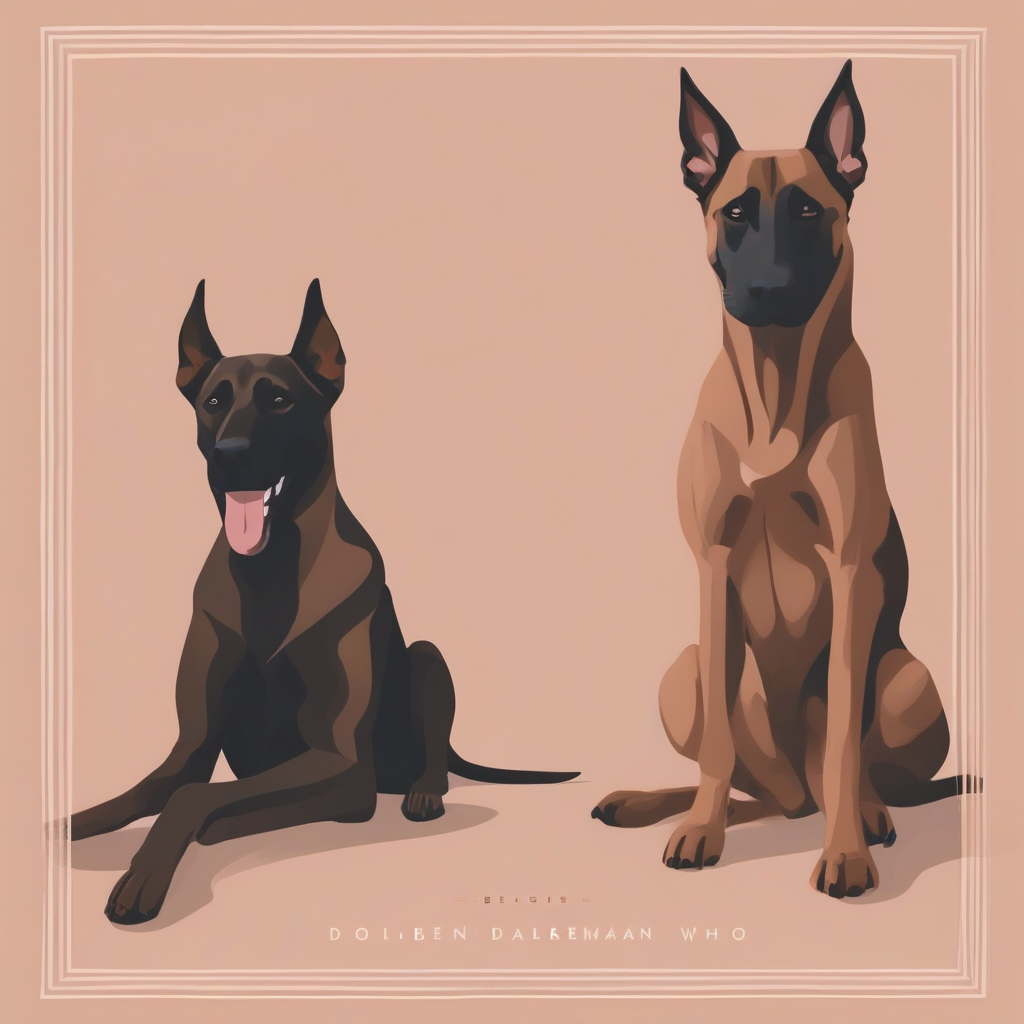
Welcome to another exciting canine breed showdown. When discussing elite working dogs, the Belgian Malinois and the Doberman Pinscher are two of the most respected, feared, and admired breeds on the planet. Both are renowned for their intelligence, loyalty, and formidable protective instincts. But in a hypothetical scenario of Belgian Malinois vs Doberman who would win? To answer this, we must dive deep into their physical attributes, combat styles, and historical breeding purposes.
Which breed possesses greater physical strength and bite force?
When evaluating raw power, the Doberman Pinscher typically holds the advantage in size, weight, and overall muscle mass. A healthy male Doberman can weigh up to 100 pounds, whereas the Belgian Malinois usually tops out around 80 pounds. However, the Malinois compensates with explosive speed, relentless stamina, and a highly specialized bite grip honed for police work.
To understand the physical mechanics of the Doberman, you can explore the ultimate guide to the Doberman Pinscher. Dobermans were bred by a tax collector to be intimidating personal protection dogs. Their deep chests and muscular frames allow them to use their body weight to knock down opponents. Their bite force is estimated to be around 245 PSI (pounds per square inch).
On the other hand, the Belgian Malinois, often recognized by the American Kennel Club as a premier herding and military dog, has a bite force of roughly 195 PSI. While slightly lower on paper, the Malinois is famous for its "full-mouth bite," a technique where they drive deep into a target and hold on with unparalleled tenacity. What they lack in sheer bulk, they make up for in wiry, fast-twitch muscle fiber that allows them to launch themselves through the air with astonishing velocity.
How do their protective instincts and combat styles compare?
Both breeds are elite protectors, but their approaches differ significantly. The Doberman acts as a personal guardian, using its intimidating presence and chest-bumping tactics to deter threats before engaging. Conversely, the Belgian Malinois is a tactical missile, bred for high-speed apprehension and sustained engagement, making them the preferred choice for modern military and law enforcement operations.
The Doberman's fighting style is often defensive and calculated. They prefer to stay close to their owner, creating a physical barrier. If forced into an altercation, a Doberman will use a "slash and tear" biting style, striking quickly and repositioning. This is a highly effective strategy for warding off human attackers or other animals, similar to the tactics discussed in our breakdown of how Dobermans fare against Rottweilers.
The Belgian Malinois, however, operates with a high-prey drive and an almost entirely offensive mindset when deployed. They are trained to sprint at full speed, intercept a target, and hold on regardless of the physical punishment they might take in the process. Their pain tolerance during an adrenaline rush is legendary among K9 handlers.
Who would win in a hypothetical Belgian Malinois vs Doberman matchup?
In a hypothetical physical confrontation, the outcome depends heavily on the environment and duration. The Doberman's superior weight and initial striking power give it an early advantage in a short encounter. However, if the situation prolongs, the Belgian Malinois's unmatched endurance, agility, and relentless drive could outlast the larger dog, making this an incredibly close and unpredictable matchup.
If the confrontation is a quick, head-on clash, the Doberman's sheer size and heavier bone structure allow it to overpower the lighter Malinois. A 20-pound weight advantage in the canine world is significant. The Doberman could potentially pin the Malinois and use its stronger bite force to end the fight quickly. You can see similar weight dynamics at play when analyzing Doberman versus Pitbull matchups.
However, if the Malinois survives the initial clash, the tide turns. The Belgian Malinois has stamina that borders on the supernatural. They can maneuver around the Doberman, utilizing their superior agility to exhaust the heavier dog. Once the Doberman tires, the Malinois's relentless gripping bite and endless energy reserves would likely secure the victory. Ultimately, it is a battle of a heavyweight striker versus a tireless, agile grappler.
What are the best ways to manage these high-drive working dogs?
Successfully handling either a Doberman or a Belgian Malinois requires immense dedication, structured training, and vigorous daily exercise. Neither breed is suited for a sedentary lifestyle or a passive owner. They thrive on having a specific job to do, whether that involves advanced obedience, protection sports, or rigorous agility courses to keep their sharp minds fully engaged.
Because these dogs possess such intense drives and physical capabilities, owners must implement strict management strategies. If you are wondering if these breeds are suitable for novices, you should read our insights on whether Dobermans are good for first-time owners. Here are several practical tips for managing these elite canines:
- Implement structured "place" training: Teach your dog to go to a specific mat or bed and stay there until released. This builds incredible impulse control and helps them learn an "off switch" inside the house.
- Utilize advanced puzzle toys: Physical exercise isn't enough. Feed them their daily meals through complex puzzle feeders or snuffle mats to exhaust their highly active brains.
- Engage in safe bite-work sports: If you want to satisfy their genetic urges, enroll them in controlled sports like IGP (Schutzhund) or French Ring under the guidance of certified professional decoys.
- Practice daily obedience drills: Incorporate 15-minute high-intensity obedience sessions focusing on rapid recall, heel positioning, and emergency stops to reinforce your leadership.
- Prioritize early and neutral socialization: Expose them to various environments, sounds, and people, not to interact with everyone, but to teach them to remain neutral and focused on you in chaotic situations.
- Invest in heavy-duty gear: Use tactical harnesses with handles and double-clip leashes to ensure you have physical control over these incredibly strong animals in public spaces.
Frequently Asked Questions
Are Belgian Malinois more aggressive than Dobermans?
Neither breed is inherently "aggressive" without cause, but the Belgian Malinois generally has a much higher prey drive and reactivity level. Malinois are bred to be "on" at all times for police and military work, which can manifest as aggression if they are under-stimulated or poorly trained. Dobermans tend to be more discerning and aloof, reserving their protective aggression specifically for perceived threats to their family.
Which dog is easier to train, the Doberman or the Malinois?
Both are highly intelligent and trainable