Doberman Mix Labrador Guide to the Doberador
Published
Discover everything you need to know about the Doberman Mix Labrador, from temperament and training tips to health and daily care requirements.
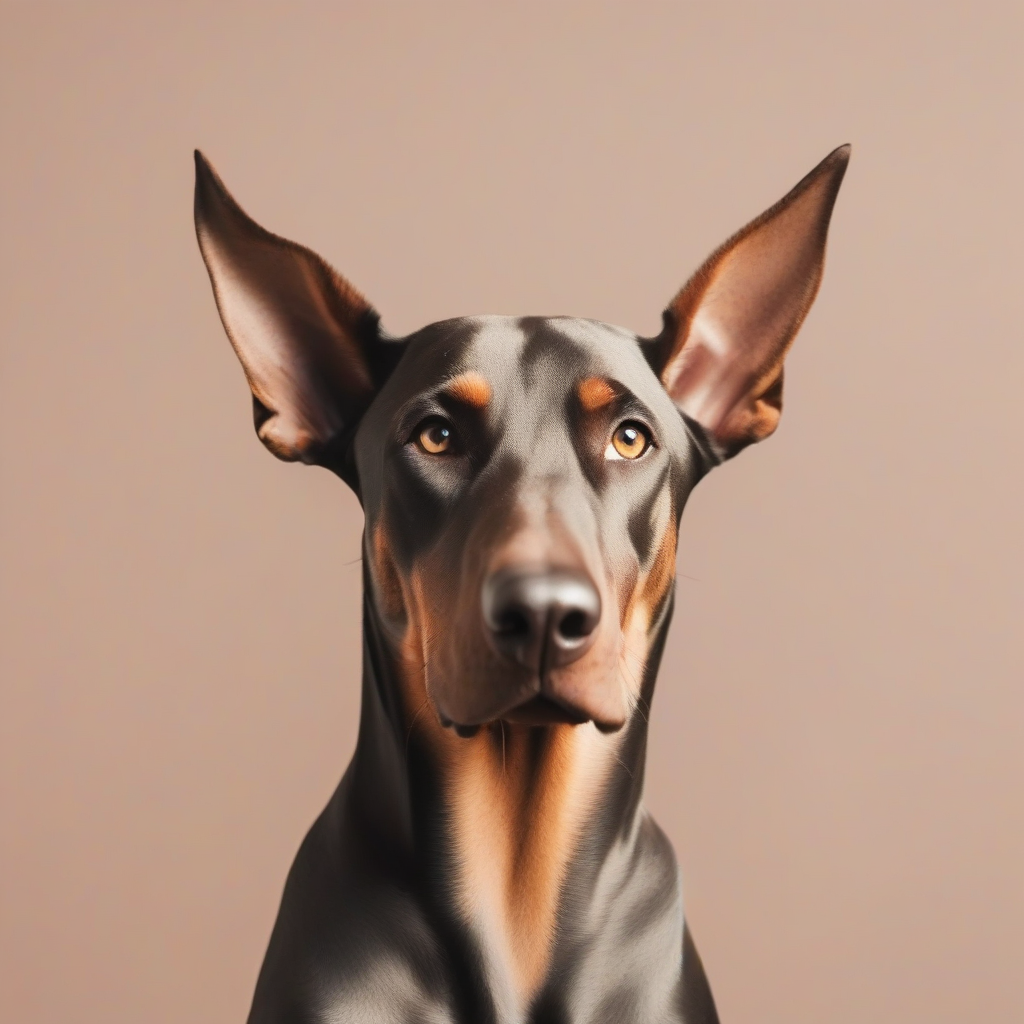
Welcome to the wonderful world of the Doberman mix Labrador, affectionately known by enthusiasts as the Doberador. Combining the sleek, protective elegance of the Doberman Pinscher with the friendly, eager-to-please nature of the Labrador Retriever, this hybrid dog offers the best of both worlds. Whether you are looking for a loyal family guardian or an active companion for your outdoor adventures, the Doberador is a unique and captivating crossbreed that deserves your attention.
What is a Doberman Mix Labrador?
The Doberman mix Labrador is a designer dog created by crossing a purebred Doberman Pinscher with a purebred Labrador Retriever. Because it is a mixed breed, the appearance of a Doberador can vary significantly depending on which parent's genes are more dominant. Generally, these dogs are large, muscular, and athletic. They often inherit the broad head and floppy ears of the Labrador, paired with the lean, powerful stance of the Doberman.
Coat colors can range widely. You might see the solid black, chocolate, or yellow of the Lab, or the classic black and rust markings of the Doberman. If you are curious about the genetic possibilities on the Doberman side, you can explore our comprehensive resource on standard Doberman colors. Their coats are typically short and dense, offering a moderate level of shedding that requires regular but manageable grooming.
Temperament and Personality
One of the most appealing aspects of the Doberador is its balanced temperament. Labradors are famously outgoing, friendly, and gentle, while Dobermans are known for their fierce loyalty, intelligence, and protective instincts. When combined, you often get a dog that is deeply devoted to its family, alert to strangers, but generally friendly once properly introduced.
Because of their high intelligence and strong desire to work, Doberadors thrive when given a job to do. They make excellent watchdogs but are usually less intense than a purebred Doberman. If you are wondering whether Dobermans are good for first-time owners, a Doberador can sometimes be a slightly more forgiving alternative due to the Labrador's eager-to-please and adaptable nature.
7 Practical Tips for Raising a Doberador
Raising a large, energetic, and intelligent crossbreed requires commitment. Here are seven detailed, practical tips to help your Doberman mix Labrador thrive:
- Prioritize Early Socialization: Both parent breeds need early exposure to different people, sights, and sounds. Proper socialization prevents the Doberman's protective instincts from turning into fear-based aggression. Read more about socializing your Doberman with other dogs to ensure your Doberador grows into a well-adjusted adult.
- Implement Vigorous Daily Exercise: A quick walk around the block will not suffice for this mix. Aim for at least 60 to 90 minutes of vigorous exercise daily. Activities like running, hiking, fetch, and swimming (thanks to the Lab heritage) are excellent ways to burn off their boundless energy.
- Use Positive Reinforcement Training: Doberadors are highly intelligent but can be sensitive. Harsh training methods will damage your bond. Use treats, praise, and play to reward good behavior. They excel in obedience and agility training when motivated correctly.
- Provide Mental Stimulation: Physical exercise is only half the battle. Prevent destructive behavior by challenging their minds. Use puzzle toys, snuffle mats, and advanced trick training to keep their active brains engaged.
- Establish a Consistent Routine: Like most intelligent dogs, the Doberador thrives on predictability. Establish set times for meals, potty breaks, training, and sleep. For foundational advice, check out our caring for a Doberman mix puppy guide.
- Manage Their Diet Carefully: Both Labradors and Dobermans are prone to joint issues, and Labs are notorious for overeating. Measure their food portions strictly, avoid feeding them from the table, and consider a large-breed specific formula that supports joint health.
- Commit to Regular Grooming: While their coats are short, they do shed. Brush your Doberador two to three times a week with a rubber curry brush or bristle brush to remove loose hair and distribute natural skin oils. Don't forget to clean their floppy ears weekly to prevent infections.
Health and Lifespan
The Doberman mix Labrador generally enjoys a lifespan of 10 to 14 years. Mixed breeds often benefit from hybrid vigor, potentially making them healthier than their purebred parents. However, they can still inherit genetic predispositions from both the Doberman and the Labrador.
Common health concerns to watch out for include hip and elbow dysplasia, which are prevalent in large breeds. They may also be susceptible to heart conditions like Dilated Cardiomyopathy (DCM) from the Doberman side, and eye issues like Progressive Retinal Atrophy (PRA). Regular veterinary check-ups and maintaining a healthy weight are crucial. For more information on standard breed health testing, you can visit the American Kennel Club website, which offers extensive resources on canine health.
Is the Doberador Right for You?
The Doberador is a magnificent dog, but it is not suited for every household. They require an active owner who has the time and energy to dedicate to their physical and mental needs. They do best in homes with securely fenced yards where they can run freely. If you live in an apartment, you must be incredibly diligent about providing outdoor exercise.
If you are specifically interested in this combination, you can dive deeper into our dedicated section on Doberman Lab mix breeds to learn more about their specific care requirements and community stories.
Frequently Asked Questions
How big does a Doberman Lab mix get?
A Doberman Lab mix is a large dog. Males typically weigh between 70 and 90 pounds and stand 24 to 28 inches tall at the shoulder. Females are generally slightly smaller, weighing between 60 and 80 pounds.
Are Doberadors aggressive?
No, Doberadors are not inherently aggressive. While they may inherit a protective instinct from their Doberman parent, the friendly and sociable nature of the Labrador usually tempers this. Proper training and early socialization are key to ensuring they are well-behaved and friendly.
Do Doberman Lab mixes shed a lot?
Yes, they are moderate to heavy shedder, especially during seasonal changes. While their hair is short, the Labrador parent has a double coat that sheds year-round. Regular brushing will help keep the loose fur around your house to a minimum.
Are they good with children?
Generally, yes. The Doberador is known to be very affectionate and patient, making them great family dogs. However, due to their large size and high energy, they should always be supervised around very young children to prevent accidental knock-overs.
Conclusion
The Doberman mix Labrador is a stunning, intelligent, and fiercely loyal companion that brings joy and security to any active household. By understanding their unique blend of traits, providing ample exercise, and committing to positive training, you will be rewarded with a best friend for life. If you are still exploring your options and want to see how this mix compares to others, feel free to browse our broader collection of other Doberman mix breeds to find the perfect canine companion for your lifestyle.