Doberman vs German Shepherd Breed Comparison
Published
Discover the key differences in temperament, training, and care between the Doberman and German Shepherd to find your perfect canine companion.
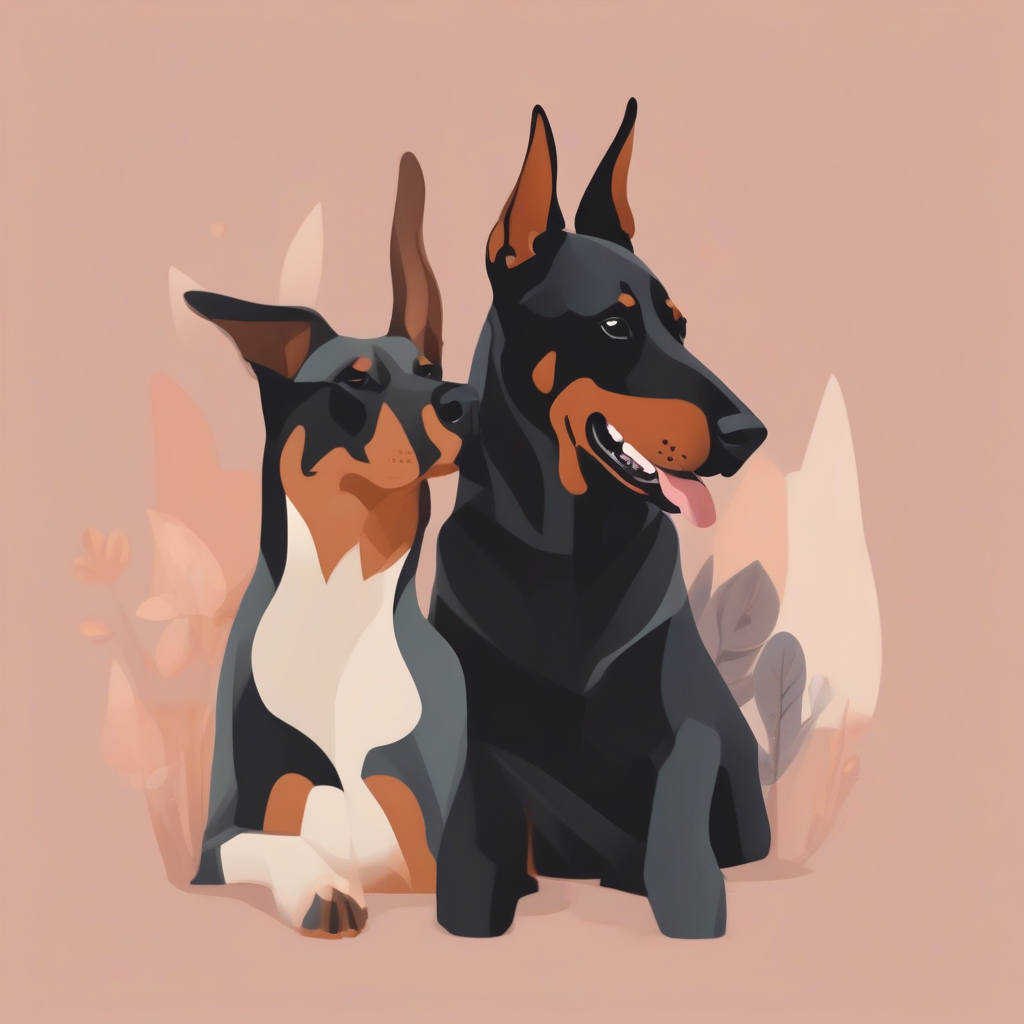
Introduction to Two Iconic Working Breeds
When it comes to choosing a highly intelligent, loyal, and protective canine companion, the Doberman Pinscher and the German Shepherd consistently rank at the top of the list. Both breeds have storied histories as premier working dogs, serving in military, police, and search-and-rescue roles worldwide. However, despite their shared reputation for bravery and intelligence, they possess distinct physical traits, temperaments, and care requirements. If you love exploring our Doberman versus comparisons, this comprehensive guide will help you understand the nuances between these two magnificent breeds so you can make an informed decision for your family.
Breed Histories and Origins
Understanding where a breed comes from often explains their modern-day behaviors. The German Shepherd was developed in late 19th-century Germany by Captain Max von Stephanitz, who wanted to create the ultimate herding and working dog. Their background in herding gives them an independent yet highly cooperative nature.
The Doberman Pinscher, on the other hand, was created around the same time by Karl Friedrich Louis Dobermann, a tax collector who needed an imposing, loyal, and fearless personal protection dog. This history of close personal guarding is why the modern Doberman Pinscher is often referred to as a "velcro dog," preferring to be pressed right up against their owner's side. Both breeds are recognized by the American Kennel Club as part of the Working and Herding groups, respectively.
Physical Characteristics and Grooming
Visually, these two breeds are strikingly different. The German Shepherd is slightly longer than it is tall, featuring a dense double coat that comes in various colors, most notably black and tan. This double coat means they are heavy shedders, requiring regular brushing to manage the "blowouts" that happen twice a year.
The Doberman is a sleek, muscular, and elegant dog with a short, single coat. They are generally taller and leaner than German Shepherds. Because of their short hair, grooming a Doberman is incredibly low maintenance, requiring only an occasional wipe-down or brushing. However, their lack of a thick undercoat means they are sensitive to cold weather and may need a dog sweater during winter walks.
Temperament and Personality
Both breeds are fiercely loyal and naturally protective of their families, but they express these traits differently. A German Shepherd is often aloof with strangers, taking time to assess a situation before warming up. They are excellent watchdogs who will alert you to anything unusual in their environment.
Dobermans are also alert but tend to be more emotionally demanding of their owners. They thrive on constant human companionship and can suffer from separation anxiety if left alone for long periods. Because of their protective instincts, early socialization is crucial. If you are bringing a puppy home, learning how to train a Doberman to be friendly and well-adjusted is essential for a harmonious household.
Training and Intelligence
You cannot go wrong with either breed if you want a highly trainable dog. Both are eager to please and capable of learning complex commands. German Shepherds excel in obedience and task-oriented training, which is why they are so prevalent in police work. They enjoy having a "job" to do.
Dobermans are equally intelligent but can sometimes exhibit a stubborn streak if they feel the training is repetitive or boring. They respond best to positive reinforcement and firm, consistent leadership. If you are curious about how the Doberman stacks up against other strong breeds in terms of training and temperament, you might enjoy our Doberman vs Pitbull showdown.
Exercise and Activity Requirements
Neither of these breeds is suited for a sedentary lifestyle. A quick walk around the block will not suffice. German Shepherds need robust physical exercise and mental stimulation, such as agility training, scent work, or fetch, to prevent destructive behaviors.
Dobermans are explosive athletes that need to burn off energy through running, hiking, or rigorous play. Their exercise needs change as they grow, so it is important to follow a proper Doberman exercise needs by age guide to protect their developing joints while keeping them physically fit.
6 Practical Tips for Choosing Between Them
If you are struggling to decide between a Doberman and a German Shepherd, consider these practical tips based on your lifestyle:
- Evaluate your climate: If you live in a region with harsh, snowy winters, the double-coated German Shepherd will thrive. If you live in a hot, humid climate, the short-coated Doberman will be much more comfortable.
- Assess your grooming tolerance: Be honest about your willingness to vacuum. German Shepherds shed profusely year-round. If you prefer a clean house with minimal dog hair, the Doberman is the clear winner.
- Consider your personal space: Dobermans are notorious "velcro dogs" that will follow you into the bathroom and lean against your legs. If you prefer a dog that is loyal but happy to lay across the room, the German Shepherd is a better fit.
- Check your home insurance and lease: Both breeds frequently appear on restricted breed lists for homeowners insurance and rental agreements. Always verify your housing rules before bringing either dog home.
- Plan for mental stimulation: Both breeds will destroy your couch if bored. Plan to invest in puzzle toys, snuffle mats, and daily obedience sessions regardless of which breed you choose.
- Consider a mix: If you truly cannot decide, you might not have to! Combining the traits of both breeds can result in a fantastic companion. Read our Doberman German Shepherd mix ultimate breed guide to see if this hybrid is right for you.
Frequently Asked Questions
Which breed is better for families with children?
Both breeds can be excellent family dogs if raised with children from puppyhood. German Shepherds tend to be gentle and watchful over kids in their "flock." Dobermans are very affectionate and playful with their human siblings. However, due to their large size and high energy, interactions with toddlers should always be supervised for both breeds.
Who wins in a race, a Doberman or a German Shepherd?
The Doberman Pinscher is generally faster. Built for speed and agility, a healthy Doberman can reach speeds of up to 32 miles per hour, whereas a German Shepherd typically tops out around 30 miles per hour. The Doberman's leaner, more aerodynamic build gives it the edge in a sprint.
Are they good with other pets?
Both breeds have a high prey drive. A German Shepherd might try to herd smaller animals, while a Doberman might chase them. Early socialization is critical. If introduced properly at a young age, both breeds can live peacefully with cats and other dogs, though same-sex aggression can sometimes be an issue in both breeds.
Conclusion
Choosing between a Doberman and a German Shepherd comes down to your lifestyle, climate, and what you want in a canine companion. The German Shepherd offers a rugged, versatile, and slightly more independent partnership, while the Doberman provides sleek athleticism and intense, affectionate devotion. Both require dedicated owners willing to invest time in training, socialization, and exercise. Whichever you choose, you will be welcoming a brilliant, courageous, and loving protector into your home.