Doberman Mix German Shepherd Complete Breed Guide
Published
Introduction to the Doberman Shepherd
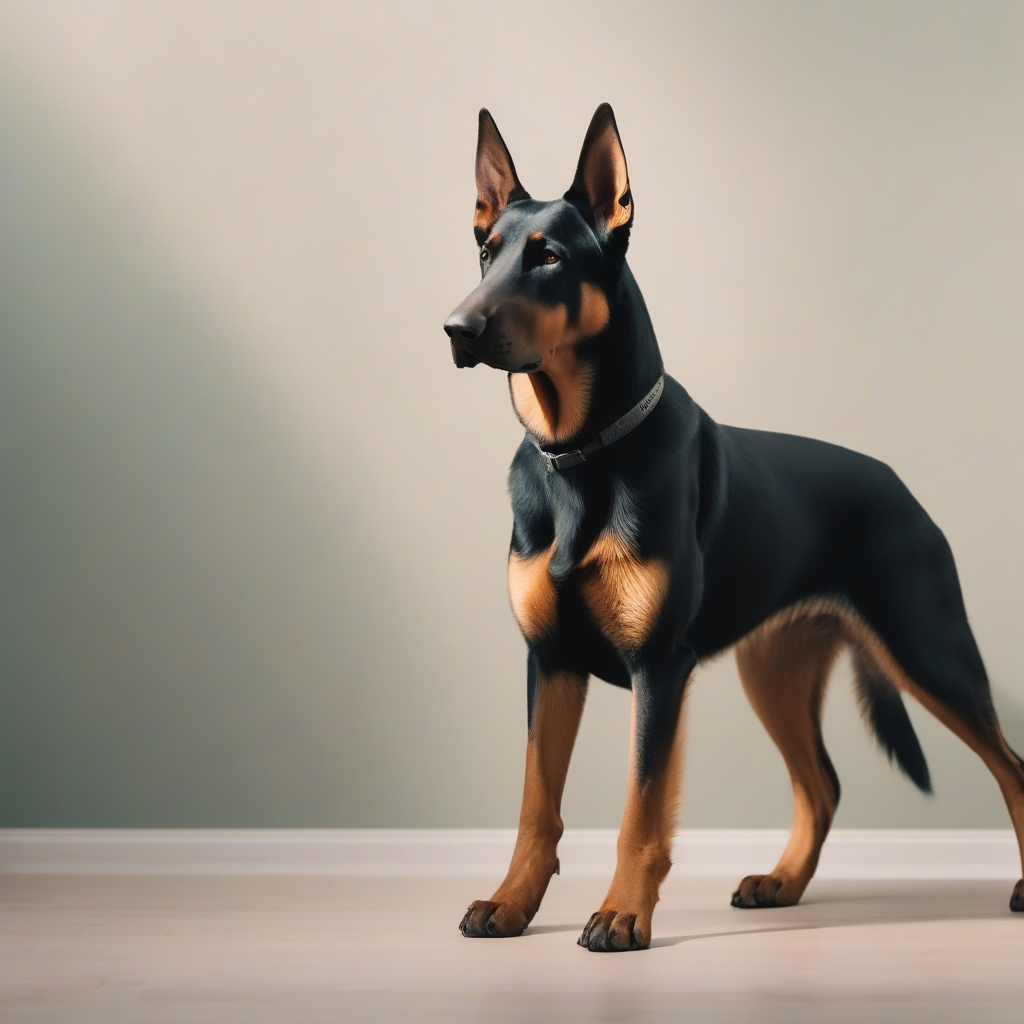
Welcome to the fascinating world of the Doberman Mix German Shepherd, affectionately known by enthusiasts as the Doberman Shepherd. Combining the sleek, athletic grace of the Doberman Pinscher with the steadfast loyalty and intelligence of the German Shepherd, this hybrid is a powerhouse of brains and brawn. Whether you are looking for a devoted family guardian or an active companion for your outdoor adventures, this unique crossbreed has a lot to offer. In this comprehensive guide, we will explore everything you need to know about this remarkable dog, from their origins and temperament to essential care tips.
The Origins of the Doberman Shepherd
To truly understand any mixed breed, it is helpful to look at the parent breeds. The Doberman Pinscher was originally bred in Germany in the late 19th century by a tax collector named Louis Dobermann, who wanted a loyal and intimidating protector. You can learn more about their fascinating history in The Ultimate Guide to the Doberman Pinscher. Similarly, the German Shepherd was developed in Germany around the same time by Captain Max von Stephanitz, strictly for herding and guarding sheep, though their unmatched intelligence quickly made them the premier police and military dog worldwide.
When you blend these two iconic working dogs, you get a hybrid that is highly trainable, fiercely loyal, and naturally protective. While the Doberman Shepherd is not officially recognized by the American Kennel Club, they have gained immense popularity among dog lovers who appreciate the best qualities of both parent breeds.
Physical Characteristics and Appearance
Because they are a crossbreed, the appearance of a Doberman Mix German Shepherd can vary significantly depending on which parent's genes are more dominant. Generally, these are large, muscular dogs. You can expect a Doberman Shepherd to stand anywhere from 22 to 28 inches tall at the shoulder and weigh between 65 and 110 pounds.
Their coat is typically short to medium in length and dense. Many inherit the classic black and tan coloration common to both breeds, though you might also see solid black, sable, or even fawn variations. Their ears may stand erect like a German Shepherd's or flop down naturally if they take after an uncropped Doberman. Their eyes are usually dark, intelligent, and deeply expressive.
Temperament and Personality Traits
The Doberman Shepherd is renowned for its sharp mind and unwavering devotion. These dogs form incredibly strong bonds with their human families and often consider themselves the designated household guardian. They are alert, courageous, and naturally suspicious of strangers, making them excellent watchdogs.
However, this protective nature means they require proper guidance. Without it, their guarding instincts can turn into overprotectiveness. If you are wondering how they interact with other pets, it largely depends on their upbringing. For more insights on this topic, check out our article on Are Dobermans Good With Other Dogs. With early and consistent socialization, a Doberman Shepherd can be a loving and gentle companion to children and other household animals.
7 Essential Care and Training Tips
Raising a large, intelligent, and powerful dog requires commitment. Here are seven practical tips to help your Doberman Shepherd thrive:
- 1. Prioritize Early Socialization: Introduce your puppy to a wide variety of people, environments, sounds, and other animals between 8 and 16 weeks of age. This prevents fear-based aggression and helps them grow into confident adults.
- 2. Implement Consistent, Positive Reinforcement: Both parent breeds are sensitive and eager to please. Avoid harsh corrections; instead, use treats, praise, and play to reward good behavior. Consistency is key to establishing yourself as a fair leader.
- 3. Provide High-Intensity Exercise: A simple walk around the block will not suffice. These dogs need at least 90 minutes of vigorous exercise daily. Running, hiking, and playing fetch are excellent ways to burn off their abundant energy.
- 4. Invest in Mental Stimulation: A bored Doberman Shepherd is a destructive one. Use puzzle toys, scent work, and advanced obedience training to keep their brilliant minds occupied.
- 5. Establish a Routine Grooming Schedule: While they are not the heaviest shedders, they do blow their coats seasonally. Brush them two to three times a week to minimize loose hair and keep their coat shiny.
- 6. Focus on Joint Care: Because both parent breeds are prone to hip and elbow dysplasia, keep your dog at a healthy weight and consider joint supplements containing glucosamine and chondroitin, especially as they age.
- 7. Enroll in Professional Training: If you are raising a puppy, professional guidance is invaluable. For a deep dive into early development, read our Guide to Raising Doberman Pinscher Puppies to ensure you start off on the right foot.
Health and Lifespan
The Doberman Shepherd generally enjoys a lifespan of 10 to 13 years. Mixed breeds often benefit from "hybrid vigor," meaning they can be healthier than their purebred counterparts. However, they are still susceptible to health conditions common to their parent breeds.
Keep an eye out for signs of hip dysplasia, bloat (gastric dilatation-volvulus), and heart conditions such as dilated cardiomyopathy (DCM), which is prevalent in Dobermans. Regular veterinary check-ups, a high-quality diet, and preventative care are essential for keeping your furry friend in peak condition.
Is This Mix Right for You?
The Doberman Shepherd is an extraordinary dog, but they are not for everyone. They require an active owner with the time, energy, and experience to provide structured training and robust exercise. If you are new to dog ownership, you might want to evaluate if you are ready for such a demanding breed. You can find helpful advice in our guide: Are Dobermans Good for First Time Owners.
If you have the dedication to meet their needs, you will be rewarded with an intensely loyal, affectionate, and capable companion. If you want to explore similar hybrids, browse our dedicated category on the Doberman German Shepherd mix or discover other fascinating crosses in our broader Doberman mix breeds section.
Frequently Asked Questions
Are Doberman Shepherds aggressive?
No, Doberman Shepherds are not inherently aggressive. They are naturally protective and wary of strangers, but with proper early socialization and consistent training, they are incredibly loving and stable family dogs.
How much exercise does a Doberman Shepherd need?
This is a high-energy working mix. They require at least 1 to 2 hours of vigorous physical exercise and mental stimulation every single day to prevent boredom and destructive behaviors.
Do Doberman Shepherds shed a lot?
They are moderate shedders. Thanks to the German Shepherd influence, they may have a thicker undercoat that sheds year-round, with heavier shedding periods during the spring and fall. Regular brushing will help manage the hair.
Can a Doberman Shepherd live in an apartment?
While it is possible if the owner is extremely dedicated to providing outdoor exercise, it is not ideal. These large, active dogs thrive best in homes with securely fenced yards where they have plenty of room to stretch their legs and patrol their territory.
Conclusion
The Doberman Mix German Shepherd is a magnificent blend of two of the canine world's most respected working breeds. They bring together the agility and sleekness of the Doberman with the rugged intelligence of the German Shepherd. While they demand a significant investment of time in training, socialization, and exercise, the payoff is a fiercely loyal, brilliant, and loving companion that will stand by your side through thick and thin. If you are ready for the commitment, the Doberman Shepherd might just be the perfect dog for you.