Doberman Cross Great Dane Breed Information Guide
Published
Discover everything you need to know about the Doberman cross Great Dane, including temperament, size, care tips, and training advice for the Doberdane.
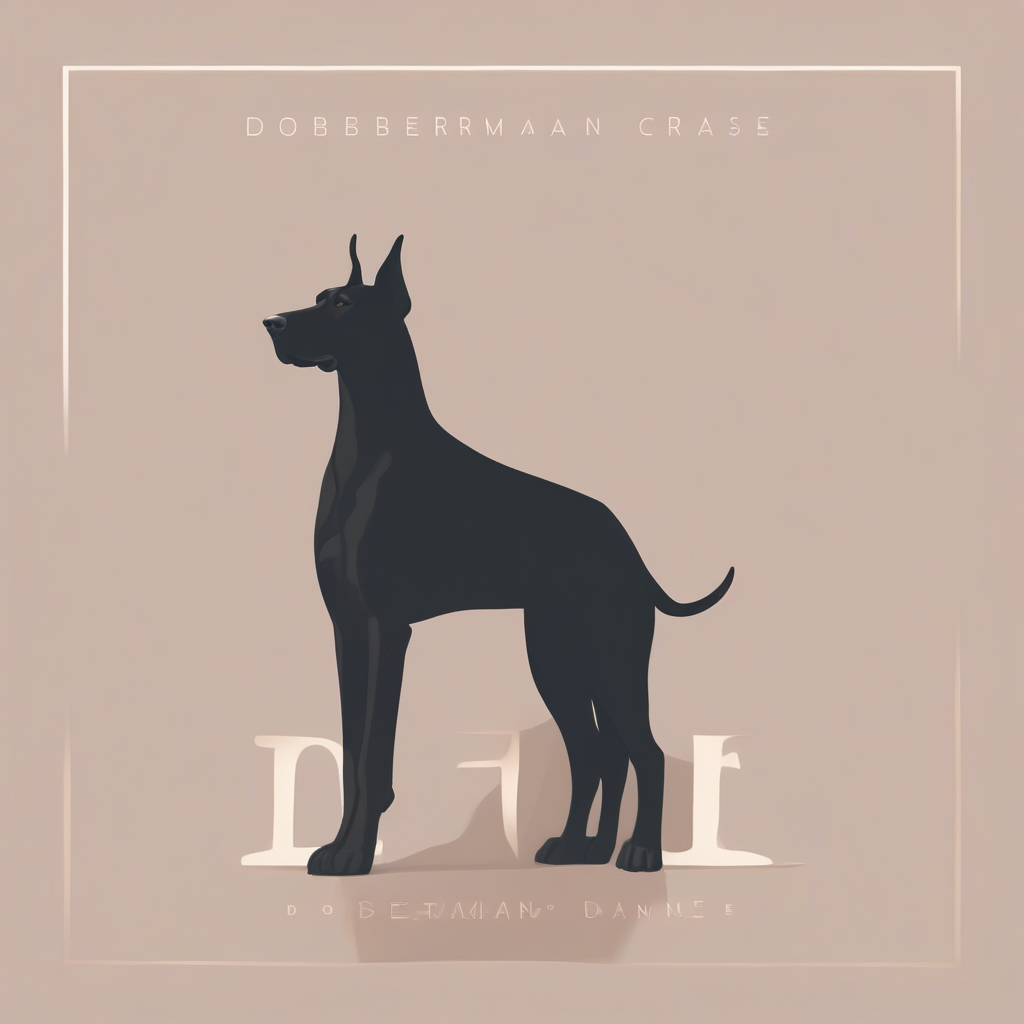
Introduction to the Doberdane
When you combine the sleek, athletic prowess of the Doberman Pinscher with the towering, gentle majesty of the Great Dane, you get a truly remarkable hybrid known as the Doberdane. This Doberman cross Great Dane mix is a large, striking dog that commands attention wherever it goes. Often referred to as a "gentle giant" with a protective streak, the Doberdane offers a unique blend of traits from two of the canine world's most respected working breeds. Whether you are looking for a loyal family companion or a formidable guard dog, understanding the nuances of this mix is essential before bringing one into your home.
Appearance and Size of the Doberman Great Dane Mix
The physical appearance of a Doberdane can vary depending on which parent breed they take after most, but you can always expect a very large, muscular dog. Typically, a Doberman cross Great Dane will stand between 28 to 35 inches tall at the shoulder and weigh anywhere from 90 to 140 pounds. They usually inherit the deep chest and long, elegant legs characteristic of both parent breeds.
Their coat is generally short, smooth, and low-maintenance. When it comes to coat colors, you might see the classic black and rust, fawn, blue, or even brindle. If you are curious about the genetics behind these striking coats, you can read our A Complete Guide to Doberman Colors to understand what hues the Doberman parent might pass down.
Temperament: Gentle Giant or Protective Guardian?
The temperament of the Doberdane is a fascinating mix of the Great Dane's laid-back affection and the Doberman's alert, protective nature. These dogs are intensely loyal to their families and often form a very close bond with their primary caregiver. They are known to be surprisingly affectionate, often forgetting their massive size and attempting to be lap dogs.
However, their protective instincts should not be underestimated. They make excellent watchdogs and will alert you to any strangers approaching the property. Early socialization is absolutely critical to ensure they do not become overly suspicious of guests. If you are wondering how this mix might interact with other pets in your household, checking out resources like Are Dobermans Good With Other Dogs can provide valuable insights into managing their socialization.
Care and Exercise Requirements
Caring for a giant breed requires dedication, space, and a solid routine. Here are some essential, practical tips for raising a healthy and happy Doberdane:
- Invest in orthopedic bedding: Because of their massive size and weight, Doberdanes are prone to joint issues. Providing a high-quality, supportive orthopedic bed helps prevent calluses and eases stress on their joints.
- Implement a bloat-prevention feeding schedule: Both parent breeds are highly susceptible to Gastric Dilatation-Volvulus (bloat). Feed them two to three smaller meals a day rather than one large one, and avoid vigorous exercise an hour before and after meals.
- Use elevated food and water bowls: To reduce neck strain and further aid in digestion, use raised feeders that are appropriate for their towering height.
- Commit to daily, moderate exercise: While they need regular exercise to maintain muscle tone and mental health, avoid high-impact activities like excessive jumping or running on hard surfaces, especially while they are still growing. A 45-minute daily walk is usually sufficient.
- Prioritize early leash training: A dog that weighs over 100 pounds can easily pull you over if they spot a squirrel. Use a front-clip harness and begin loose-leash training from the day you bring your puppy home.
- Provide durable, giant-breed toys: Standard dog toys will be destroyed in minutes and can pose a choking hazard. Invest in heavy-duty rubber toys designed specifically for giant breeds.
Training Your Doberman Great Dane Mix
Training a Doberdane requires a firm, consistent, but gentle approach. Because of their Doberman heritage, these dogs are highly intelligent and eager to please, making them quick learners. However, they can also inherit a bit of stubbornness from the Great Dane side. Positive reinforcement techniques, using high-value treats and praise, work best.
Because of their sheer size and strength, this mix might be challenging for a novice owner. If you are new to dog ownership, you might want to read Are Dobermans Good for First Time Owners to gauge if you are ready for the responsibility of a powerful Doberman mix. For a deeper dive into the foundational traits of the Doberman parent, The Ultimate Guide to the Doberman Pinscher is a fantastic resource.
Health and Lifespan
Large and giant breed dogs typically have shorter lifespans than smaller breeds, and the Doberdane is no exception. You can expect a healthy Doberdane to live between 8 to 11 years. It is crucial to work with a reputable breeder who health tests their breeding dogs for common genetic issues. According to the American Kennel Club, both Dobermans and Great Danes are prone to specific health conditions that can be passed to their offspring.
Common health concerns to watch out for include dilated cardiomyopathy (a serious heart condition prevalent in both breeds), hip dysplasia, Wobbler syndrome, and the aforementioned bloat. Regular veterinary check-ups, a high-quality diet tailored for large breeds, and maintaining a healthy weight are the best ways to maximize your dog's lifespan.
Is the Doberdane Right for You?
The Doberman cross Great Dane is a magnificent, loving, and protective companion, but they are not the right fit for every household. They require ample living space, a dedicated training regimen, and an owner who can handle their massive size and strength. If you have the room in your home and your heart for a giant breed, the Doberdane will reward you with unwavering loyalty and affection.
If you are still exploring your options and want to see what other incredible crossbreeds are out there, be sure to browse our extensive section on Doberman Mix Breeds to find the perfect canine companion for your lifestyle.
Frequently Asked Questions
How big does a Doberman Great Dane mix get?
A Doberdane is a giant breed dog. They typically stand between 28 and 35 inches tall at the shoulder and can weigh anywhere from 90 to 140 pounds, depending on genetics and gender, with males generally being larger.
Are Doberdanes good with children?
Yes, Doberdanes can be excellent with children if they are socialized early. They are generally gentle and affectionate. However, due to their massive size, they should always be supervised around toddlers and small children to prevent accidental knock-overs.
Do Doberman cross Great Danes bark a lot?
The Doberdane is not typically a nuisance barker. They tend to bark only when necessary, such as when alerting their owners to strangers approaching the home. Their deep, booming bark is usually enough to deter any unwanted visitors.
How much exercise does a Doberdane need?
Despite their size, Doberdanes have moderate exercise needs. A daily walk of about 45 to 60 minutes, along with some mental stimulation and playtime in a securely fenced yard, is usually sufficient to keep them healthy and happy.