Doberman or Rottweiler Which Is More Dangerous
Published
Discover whether the Doberman or Rottweiler is more dangerous by exploring their temperaments, bite force, and the need for responsible ownership.
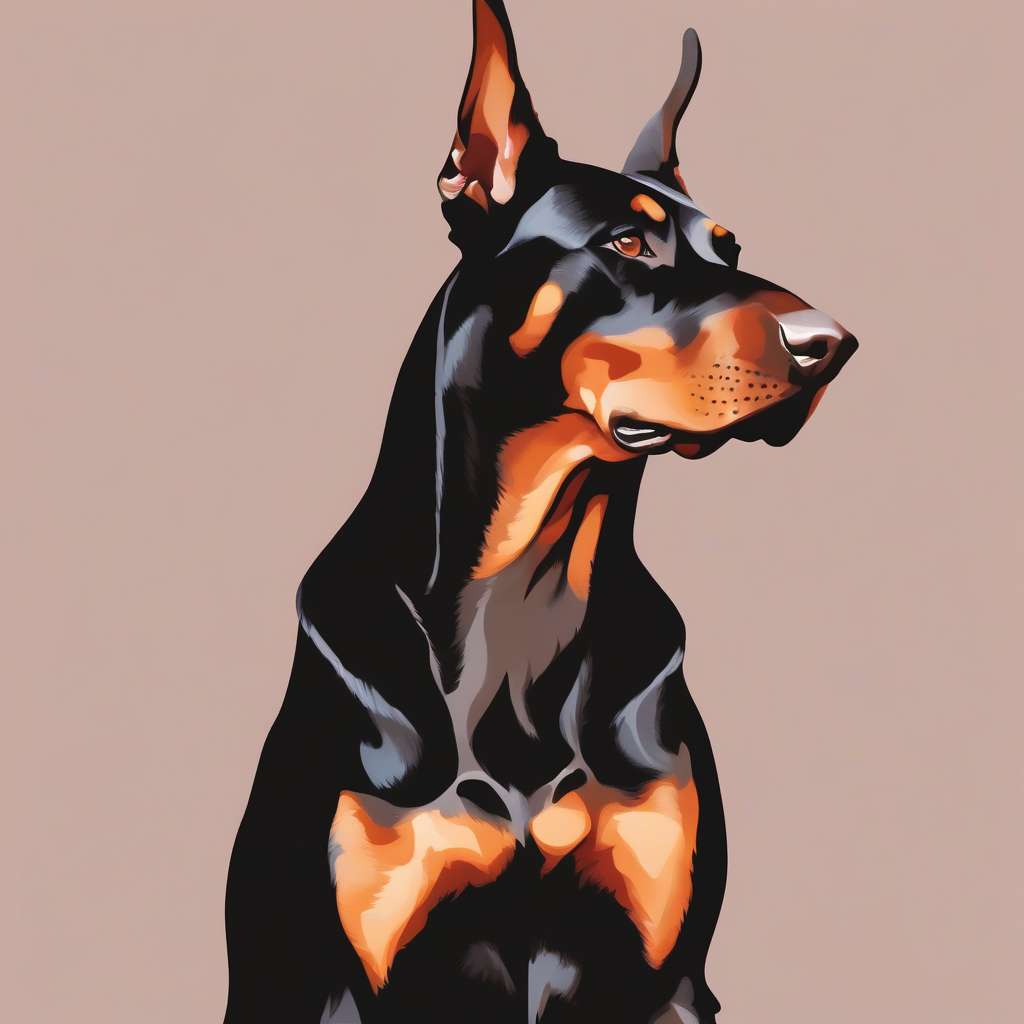
When it comes to powerful, imposing guard dogs, two breeds frequently dominate the conversation: the Doberman Pinscher and the Rottweiler. Both breeds hail from Germany, boast incredible intelligence, and have histories deeply rooted in protection and working roles. Naturally, prospective owners and dog enthusiasts often ask: Doberman or Rottweiler, which is more dangerous? Answering this question requires looking past Hollywood stereotypes and diving deep into their temperaments, physical capabilities, and the critical role of human handling.
It is important to state right away that neither breed is inherently "evil" or maliciously dangerous. However, their size, strength, and protective instincts mean that in the wrong hands, or without proper training, they can pose a significant risk. Let us explore the nuances of both breeds to understand where their potential for danger truly lies.
Analyzing the Doberman Pinscher's Temperament
The Doberman was originally bred by a tax collector named Louis Dobermann, who needed a loyal, intimidating companion to protect him during his rounds. Because of this, the Doberman is hardwired to be exceptionally alert, fast, and fiercely loyal to its primary handler. They are often referred to as "Velcro dogs" because they love to stick closely to their owners.
While their sleek, athletic build makes them look like formidable weapons, a well-bred Doberman is actually quite sensitive and eager to please. The danger with a Doberman usually arises from fear-based reactivity or a lack of socialization. If a Doberman is not taught how to confidently navigate the world, their natural suspicion of strangers can turn into defensive aggression. For a deeper dive into their mindset, understanding Doberman behaviour traits and temperament is essential for any prospective owner.
Examining the Rottweiler's Protective Instincts
Rottweilers have a slightly different origin story. They were originally drover dogs, used by the Romans to herd livestock and pull carts. This history required them to have immense physical strength, endurance, and a steady, confident demeanor. A Rottweiler is typically more aloof and self-assured than a Doberman. They do not react as quickly, but when they decide a threat is real, they act with overwhelming force.
The danger associated with a Rottweiler primarily stems from their sheer physical power and their strong guarding instincts. They are naturally territorial and will fiercely protect their home and family. If a Rottweiler is allowed to become the "pack leader" due to a lack of firm, consistent guidance from its owner, it may begin to make its own decisions about who is and isn't allowed on the property, which can lead to dangerous situations.
Doberman vs Rottweiler: Bite Force and Physical Power
When assessing which breed is more dangerous in a worst-case scenario, we must look at their physical attributes. The Rottweiler is significantly bulkier and heavier, often weighing between 80 to 135 pounds, with a thick, muscular neck and a broad chest. The Doberman is leaner and more agile, typically weighing between 60 to 100 pounds.
In terms of bite force, the Rottweiler has a distinct advantage. A Rottweiler's bite force is estimated to be around 328 PSI (pounds per square inch), which is one of the strongest among domestic dog breeds. The Doberman's bite force is lower, estimated at around 245 PSI. Because of this immense jaw pressure and heavier body mass, a bite from a Rottweiler has the potential to cause more severe physical damage. If you are curious about how these physical traits stack up in a hypothetical scenario, you can read our detailed breakdown on Doberman vs Rottweiler who would win. You can also explore other canine breed showdowns to see how they compare to other working dogs.
7 Crucial Tips for Preventing Aggression in Guard Breeds
The true measure of safety with either a Doberman or a Rottweiler lies entirely in how they are raised. Both breeds require dedicated, knowledgeable owners. Here are seven practical tips to ensure your powerful breed remains a safe, loving family member:
- Commit to Early Socialization: The golden rule for guard breeds is early and frequent socialization. Aim to introduce your puppy to 100 different people, environments, sounds, and surfaces in their first 100 days. This builds confidence and reduces fear-based aggression.
- Implement Consistent Obedience Training: Training is not optional for these breeds. Teach basic commands like sit, stay, heel, and recall from day one. A dog that listens to you in a highly distracting environment is a safe dog.
- Provide Adequate Physical Exercise: A tired dog is a good dog. Both breeds are working dogs that need vigorous daily exercise. A simple walk around the block is not enough; they need running, hiking, or structured play to burn off pent-up energy that could otherwise turn into frustration.
- Engage in Mental Stimulation: Physical exercise is only half the battle. Use puzzle toys, obedience drills, and scent work to tire out their highly intelligent brains. Mental fatigue is just as important for preventing destructive or aggressive behaviors.
- Learn to Read Canine Body Language: Understand the warning signs of discomfort, such as lip licking, yawning, stiffening of the body, or whale eye. Recognizing these signs allows you to remove the dog from a stressful situation before they feel the need to escalate to a bite.
- Avoid Punishment-Based Training: Using harsh physical corrections on powerful, protective breeds can severely backfire. It damages the bond of trust and can cause the dog to respond with defensive aggression. Always use balanced, positive reinforcement methods.
- Seek Professional Intervention Early: If your dog shows signs of resource guarding, leash reactivity, or unprovoked aggression, do not wait for it to pass. Consult a professional behaviorist immediately. For more advice, check out our guide on overcoming common Doberman behavior problems.
The Role of the Owner in Breed Safety
Ultimately, asking whether the Doberman or the Rottweiler is more dangerous is the wrong question. The right question is: which owner is more prepared? According to organizations like the American Kennel Club (AKC), responsible breeding and ownership are the primary factors in a dog's temperament.
A poorly socialized, neglected Doberman can be incredibly dangerous due to its speed and nervous energy. Conversely, an untrained, dominant Rottweiler can be a massive liability due to its sheer size and bite force. If you are considering bringing one of these magnificent animals into your home, you must be prepared to invest time, money, and energy into their upbringing. We highly recommend reading our essential Doberman care guide for beginners before making a decision. You can also browse our broader Doberman versus category to see if another breed might better suit your lifestyle.
Conclusion
In the debate of Doberman vs Rottweiler, the Rottweiler generally possesses a higher potential for physical damage due to its heavier build and stronger bite force. However, the Doberman's speed and high reactivity can also present significant challenges if not properly managed. Neither breed is inherently