Doberman Pinscher vs Doberman Breed Differences
Published
Discover the real difference between a Doberman Pinscher and a Doberman, including name history, breed standards, and American vs European traits.
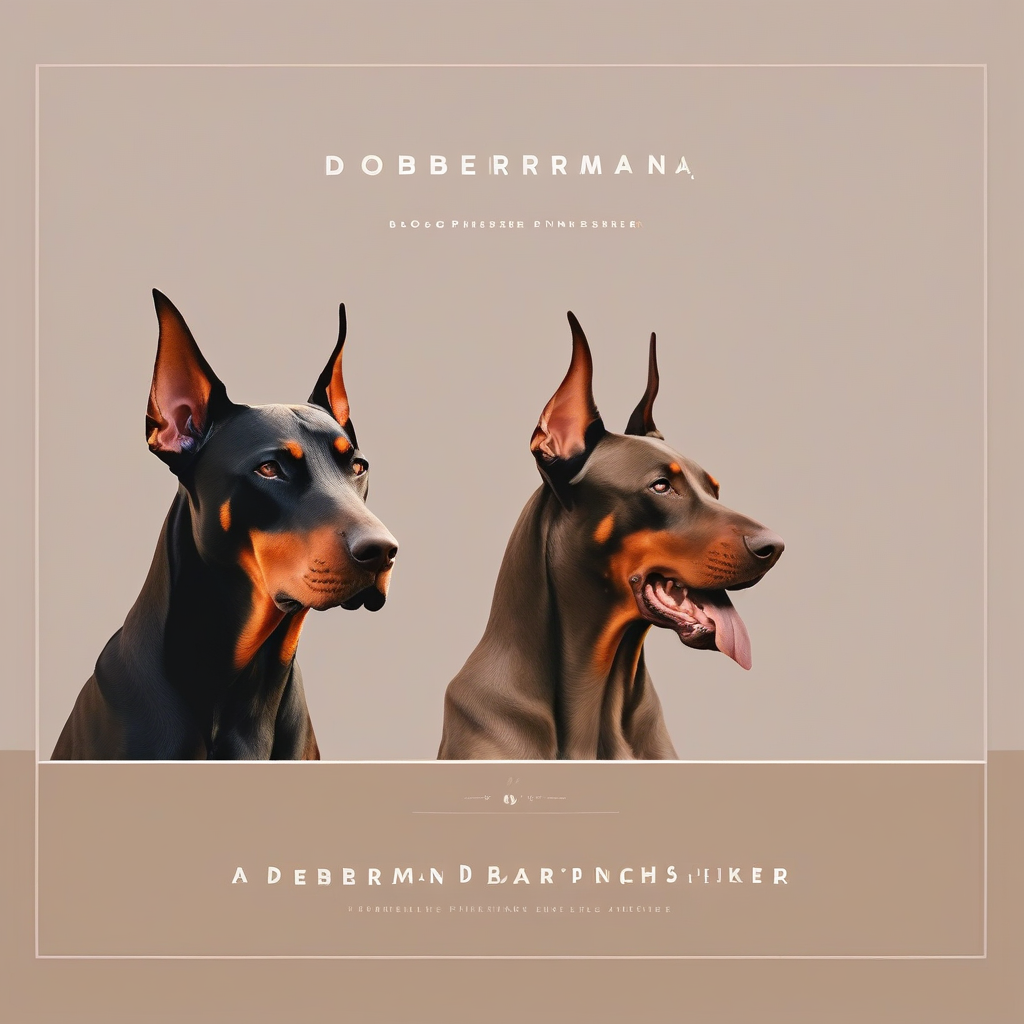
The Short Answer: Are They the Same Dog?
If you find yourself scratching your head over the difference between a Doberman Pinscher and a Doberman, you are certainly not alone. The short and simple answer is yes, they are the exact same breed of dog. The confusion stems entirely from regional naming conventions, historical changes in breed registries, and how different parts of the world classify these magnificent canines.
When diving into Doberman breed comparisons, understanding the history of the breed's name is the first step to becoming a true breed expert. Whether you call them a Doberman, a Dobermann (with two Ns), or a Doberman Pinscher, you are referring to the loyal, intelligent, and athletic protector originally bred in Germany.
The Name Game: Where Did "Pinscher" Come From?
To understand the naming differences, we have to look back to late 19th-century Germany. The breed was created by Karl Friedrich Louis Dobermann, a tax collector who needed a reliable protection dog. He mixed several breeds, likely including the Rottweiler, German Pinscher, and Greyhound, to create his ideal canine bodyguard.
In German, the word "Pinscher" roughly translates to "terrier" or refers to a dog's habit of jumping and biting at prey. Because the early versions of the breed had terrier-like characteristics, they were officially named the Dobermann Pinscher. However, as the breed evolved over the decades, it grew larger, more refined, and lost its terrier-like traits.
In the mid-20th century, the Germans decided that the word "Pinscher" was no longer an accurate description of the breed. The Fédération Cynologique Internationale (FCI), the world's largest canine organization, officially dropped "Pinscher" from the name. Today, in Europe and most of the world, the breed is simply known as the Dobermann.
Meanwhile, in the United States and Canada, the American Kennel Club (AKC) had already registered the breed under its original name. The AKC decided to keep the historical title, which is why North Americans still refer to the breed as the Doberman Pinscher. If you want to learn more about the specific standards in the US, check out our complete guide to the American Doberman.
American Doberman Pinscher vs. European Dobermann
While the name difference is purely geographical, many dog enthusiasts use the terms "Doberman Pinscher" and "Doberman" to distinguish between the two distinct bloodlines: the American Doberman Pinscher and the European Dobermann. Over decades of separate breeding programs, these two lines have developed noticeable differences in physical appearance and temperament.
Physical Differences
The American Doberman Pinscher is bred primarily for the show ring and companionship. They are elegant, sleek, and refined. They have a more slender build, a longer and narrower head, and a graceful, sloping neckline. They are built for agility and speed.
The European Dobermann, on the other hand, is bred with a strong emphasis on working ability and personal protection. They are noticeably larger, with a thicker bone structure, a broader chest, and a blockier head. Their overall appearance is more intimidating and robust compared to their American cousins.
Temperament and Working Drive
Because the European lines must pass strict working temperament tests (like the ZTP) to be bred, they possess a much higher prey drive, stronger protective instincts, and boundless working energy. They demand a job to do and thrive in dog sports like Schutzhund or IGP.
The American Doberman Pinscher is generally softer in temperament. While they are still excellent watchdogs and fiercely loyal to their families, they are typically easier to manage for the average owner and are highly affectionate house pets. For a deeper dive into their psychological traits, read our article on understanding the true Doberman temperament.
5 Practical Tips for Choosing and Raising Your Doberman
Whether you opt for a sleek American Doberman Pinscher or a robust European Dobermann, raising this breed requires dedication. Here are some essential tips for prospective and current owners:
- Assess Your Lifestyle Honestly: If you want a jogging companion and a family pet, the American line is likely your best bet. If you are an experienced handler looking to compete in bite sports or high-level obedience, seek out a European breeder.
- Prioritize Early Socialization: Both lines possess natural guarding instincts. You must expose your puppy to various people, sounds, and environments before they are 16 weeks old to prevent fear-based aggression.
- Invest in Thorough Health Testing: The breed is prone to serious genetic conditions like Dilated Cardiomyopathy (DCM) and von Willebrand's disease. Only buy from breeders who provide echocardiograms and Holter monitor results for their breeding dogs. Learn more by understanding the average Doberman lifespan and health.
- Implement Structured Training: Dobermans are highly intelligent and will walk all over a passive owner. Use positive reinforcement, but maintain firm, consistent boundaries from day one. If you are starting from scratch, you will need the ultimate guide to raising a Doberman puppy.
- Provide Adequate Mental Stimulation: Physical exercise isn't enough. Puzzle toys, scent work, and advanced obedience training are required to tire out a Doberman's busy mind and prevent destructive behaviors.
Frequently Asked Questions
Is a Doberman the same as a Doberman Pinscher?
Yes, they are the exact same breed. "Doberman Pinscher" is the official name used by the American Kennel Club in the United States, while "Dobermann" is the name used by the FCI in Europe and the rest of the world.
Which is bigger, the American or European Doberman?
The European Dobermann is noticeably larger, heavier, and more muscular than the American Doberman Pinscher. The European lines are bred for working and protection, requiring a thicker bone structure and a broader chest.
Are Dobermans good family dogs?
Yes, when properly trained and socialized, Dobermans make exceptional family dogs. They are famously known as "Velcro dogs" because they love to be physically close to their human family members. However, due to their size and energy, interactions with very small children should always be supervised.
Conclusion
The debate of the Doberman Pinscher vs Doberman is ultimately a lesson in canine history and geography. While the names differ based on where you live, the heart of the dog remains the same: courageous, intelligent, and unfailingly loyal. If you are deciding between the American and European bloodlines, base your decision on your lifestyle, your experience level as a dog owner, and what you want to achieve with your canine companion. For even more resources on keeping your dog happy and healthy, be sure to explore our complete Doberman care guide.