Ultimate Guide to Raising a Doberman Puppy
Published
Discover everything you need to know about raising a happy and healthy Doberman puppy, from essential care tips to early socialization and training.
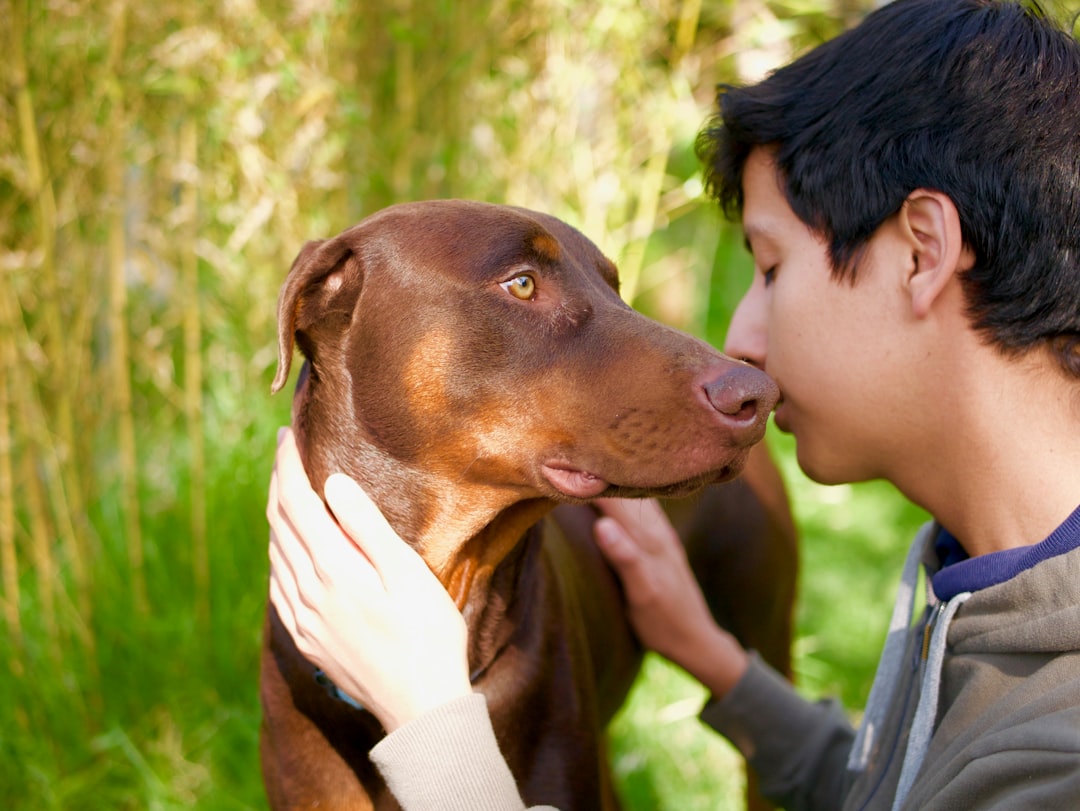
Welcome to Doberman Puppy Parenthood
Bringing a Doberman puppy into your home is an incredibly rewarding experience. Known for their striking appearance, fierce loyalty, and high intelligence, Dobermans make exceptional companions when raised properly. However, these energetic and brilliant dogs require dedicated time, consistent training, and proper socialization from day one. If you are ready to embark on this journey, mastering the fundamentals of Doberman puppy care is your first step toward raising a well-adjusted, confident adult dog.
Preparing Your Home for a Doberman Puppy
Before your new furry friend arrives, it is crucial to set up a safe and welcoming environment. Doberman puppies are naturally curious and possess a strong chewing instinct, meaning your home needs to be thoroughly puppy-proofed.
- Secure Hazardous Items: Move electrical cords, toxic plants, and small swallowable objects completely out of reach. Doberman puppies are surprisingly tall even at a young age and can counter-surf sooner than you might expect.
- Establish a Safe Zone: Invest in a high-quality, heavy-duty crate. Crate training provides your puppy with a secure den-like space and is invaluable for potty training. Make the crate comfortable with a durable bed and safe chew toys.
- Stock Up on Essentials: Ensure you have sturdy food and water bowls, a comfortable collar, a strong leash, and plenty of grooming supplies. For a comprehensive checklist, review our essential Doberman care guide for beginners.
Essential Diet and Nutrition Tips
Proper nutrition is the foundation of your Doberman puppy's health. Because Dobermans are a large breed, they grow rapidly, which puts stress on their developing bones and joints.
Always feed a high-quality commercial diet specifically formulated for large breed puppies. These formulas contain the correct ratio of calcium and phosphorus to support steady, controlled growth, reducing the risk of developmental orthopedic diseases. According to the American Kennel Club, monitoring your puppy's weight and avoiding overfeeding is critical for long-term joint health.
- Implement a Feeding Schedule: Feed your puppy three to four small meals a day rather than one or two large ones. This helps prevent gastric dilatation-volvulus (bloat), a serious condition that deep-chested breeds like Dobermans are prone to.
- Avoid Strenuous Exercise Around Meals: Keep your puppy calm for at least an hour before and after eating to further reduce the risk of digestive issues.
Early Training and Socialization
Dobermans are often referred to as "Velcro dogs" because they bond intensely with their owners. They are highly intelligent and eager to please, making them highly trainable. However, without proper guidance, their intelligence can lead to stubbornness or destructive behavior.
Socialization should begin the moment your puppy comes home. The critical socialization window closes around 14 to 16 weeks of age, so early exposure to various sights, sounds, people, and other animals is vital. For a deep dive into structured training plans, check out our raising a Doberman Pinscher puppy complete guide.
- Use Positive Reinforcement: Dobermans respond best to praise, treats, and play. Harsh correction methods can damage the trust between you and your puppy and lead to anxiety or fear-based aggression.
- Mental Stimulation is Key: Physical exercise alone will not tire out a Doberman puppy. Incorporate puzzle toys, snuffle mats, and short, frequent obedience sessions to challenge their active minds.
Health and Preventative Care
Keeping your Doberman puppy healthy requires a proactive approach to veterinary care and daily maintenance. Establishing a relationship with a trusted veterinarian early on will help you stay on track with vaccinations, deworming, and flea/tick prevention.
When it comes to physical activity, remember the "five-minute rule." A puppy should only have about five minutes of structured exercise per month of age, up to twice a day. Over-exercising a growing Doberman, especially on hard surfaces like concrete, can cause permanent damage to their growth plates. If you want to learn more about daily routines, read our guide on how to take care of a Doberman puppy.
Additionally, if you are bringing home a female pup, there are specific health and developmental milestones to watch for. You can find tailored advice in our female Doberman care guide tips for owners.
Frequently Asked Questions
When should I start training my Doberman puppy?
You should start training your Doberman puppy the day you bring them home, typically around 8 weeks of age. Begin with basic commands like sit, stay, and potty training, keeping sessions short (5-10 minutes) and highly positive.
How much sleep does a Doberman puppy need?
Like human babies, Doberman puppies need a lot of rest to support their rapid growth. A healthy puppy will sleep anywhere from 15 to 18 hours a day. Ensure they have a quiet, comfortable place to nap undisturbed.
Are Doberman puppies aggressive?
No, Doberman puppies are not inherently aggressive. They are naturally protective and loyal, but true aggression usually stems from poor breeding, lack of socialization, or improper training. Early, positive socialization is the best way to ensure your puppy grows into a friendly, well-mannered adult.
When do Doberman puppies calm down?
Dobermans are a high-energy working breed. While they will start to lose their frantic puppy energy around 12 to 18 months of age, they typically do not fully mature and settle into their adult temperament until they are 2 to 3 years old.
Conclusion
Raising a Doberman puppy is a significant commitment of time, energy, and love. By focusing on proper nutrition, early socialization, positive reinforcement training, and preventative healthcare, you are setting the stage for a lifetime of companionship with one of the canine world's most magnificent breeds. Remember to be patient, stay consistent, and enjoy the puppy phase while it lasts. For more resources and expert advice, continue exploring our comprehensive Doberman care guide to support your dog through every stage of life.