Doberman vs Rottweiler Which Is Better For You
Published
Discover whether the Doberman or Rottweiler is the better breed for your family, lifestyle, and home security needs in this expert comparison.
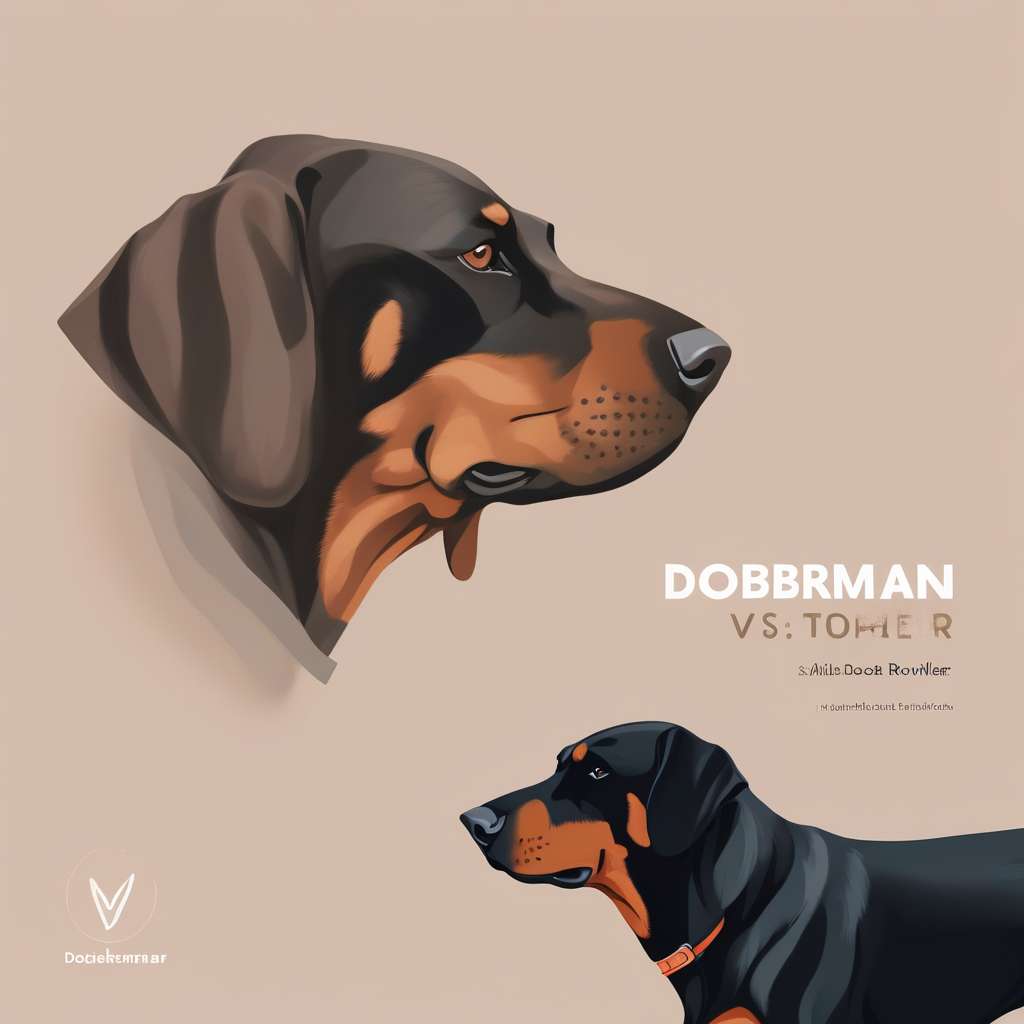
The Ultimate Working Dog Comparison
If you are searching for a loyal, intelligent, and fiercely protective canine companion, you have likely narrowed your choices down to two legendary breeds. The age-old debate of Doberman vs Rottweiler which is better has puzzled dog lovers for decades. Both breeds hail from Germany, both possess incredible guarding instincts, and both make phenomenal family pets when raised correctly. However, they have distinct personalities, physical traits, and care requirements that make them suitable for very different types of owners.
In this comprehensive guide, we will break down the differences between these two majestic breeds to help you make an informed decision. Whether you are looking for a high-energy running buddy or a stoic, powerful guardian, understanding their unique traits is the first step to finding your perfect match. If you love exploring canine breed showdowns, you are in the right place!
Breed Histories and Temperament
To understand which breed is better for your lifestyle, it is essential to look at what they were originally bred to do. The Doberman Pinscher was created in the late 19th century by a German tax collector named Karl Friedrich Louis Dobermann. He needed a fast, intimidating, and fiercely loyal protector to accompany him on his dangerous rounds. As a result, the Doberman is often referred to as a "Velcro dog." They bond intensely with their owners, thrive on human interaction, and possess a highly alert, sensitive nature.
The Rottweiler, on the other hand, has ancient roots tracing back to the Roman Empire. They were originally used to herd livestock and pull carts of butchered meat to market in the German town of Rottweil. Because of this heavy labor background, Rottweilers are calm, confident, and incredibly powerful. They are generally more independent than Dobermans and take a more stoic approach to guarding their territory. For a deeper dive into the Rottie's background, check out our comprehensive Rottweiler breed overview.
Physical Traits and Strength
When it comes to physical appearance, the differences are striking. Dobermans are the athletes of the canine world. They are sleek, elegant, and built for speed and endurance. A male Doberman typically weighs between 75 and 100 pounds and stands tall with a proud, aristocratic posture. Their short coats lack an undercoat, making their muscle definition highly visible.
Rottweilers are the bodybuilders of the dog park. They are blocky, heavily muscled, and possess a massive chest and head. A male Rottweiler can easily weigh between 95 and 135 pounds. Their sheer mass makes them formidable opponents. If you are interested in the physical mechanics of these two dogs, you might enjoy comparing the strength of a Doberman vs Rottweiler to see how their bite force and muscle mass stack up.
Trainability and Intelligence
Both breeds consistently rank in the top tier of canine intelligence, but their learning styles differ. Dobermans are eager to please and highly responsive. They excel in obedience, agility, and advanced trick training because they thrive on direction from their owners. However, their high intelligence means they can easily become bored and destructive if not mentally stimulated.
Rottweilers are also brilliant, but they often possess a stubborn streak. They like to think things through and may question whether a command is truly necessary before obeying. Training a Rottweiler requires firm, consistent, and patient leadership. According to the American Kennel Club, early socialization and positive reinforcement are absolutely critical for both of these powerful breeds to ensure they grow into well-adjusted adults.
6 Practical Tips for Choosing Between Them
Deciding which breed is better ultimately comes down to your daily life. Here are six practical tips to help you choose:
- Assess your living space: Dobermans have boundless energy and need plenty of space to run and sprint. Rottweilers are generally more laid-back indoors and can adapt to smaller homes as long as they get a solid daily walk.
- Evaluate your leadership experience: If you are a softer owner, a Rottweiler might take advantage of your leniency. Rotties need a confident leader who sets strict boundaries. Dobermans also need leadership, but their eagerness to please makes them slightly more forgiving of training mistakes.
- Consider your local climate: Dobermans have a single coat and are notoriously intolerant of cold weather. If you live in a snowy region, you will need to invest in dog coats. Rottweilers have a dense undercoat and handle cold weather beautifully.
- Analyze your family dynamics: Dobermans are highly affectionate and want to be involved in every family activity. Rottweilers are deeply loving but are often content to simply watch over the family from a comfortable spot in the corner of the room.
- Factor in grooming commitments: Both breeds are relatively low-maintenance, but Rottweilers shed significantly more than Dobermans, especially during seasonal changes.
- Understand their guarding styles: A Doberman will alert you to danger immediately, using their speed and loud bark to intimidate. A Rottweiler uses their sheer physical presence, often placing themselves silently between their owner and a perceived threat.
Care and Maintenance Requirements
Caring for these large breeds requires a commitment to high-quality nutrition, regular veterinary checkups, and daily exercise. Dobermans are prone to specific health issues like Dilated Cardiomyopathy (DCM) and von Willebrand's disease. Rottweilers are more susceptible to joint issues like hip and elbow dysplasia due to their heavy build. Feeding them a diet rich in joint-supporting supplements is highly recommended.
If you decide the sleek Doberman is the right fit for you, you will want to read up on our ultimate Doberman care tips. We also offer a wide variety of comprehensive Doberman care guides to help you navigate puppyhood through the senior years.
Making the Final Decision
So, Doberman vs Rottweiler which is better? The truth is, neither breed is objectively "better" than the other. The Doberman is better for active owners who want a highly trainable, affectionate shadow that will accompany them on runs and hikes. The Rottweiler is better for owners seeking a calm, confident, and incredibly powerful guardian that requires less vigorous aerobic exercise but demands strong, consistent leadership.
Take your time evaluating your lifestyle, your experience with large breeds, and your home environment. For more help making this crucial choice, read our dedicated guide on deciding whether a Rottweiler or Doberman is right for you.
Frequently Asked Questions
Are Dobermans or Rottweilers better with kids?
Both breeds can be fantastic with children if they are socialized with them from a young age. Dobermans are energetic and playful, making them great companions for older kids. Rottweilers are sturdy and patient, often acting as gentle giants with toddlers, though their large size means interactions should always be supervised.
Which breed barks more?
Dobermans are generally more vocal than Rottweilers. They are highly alert and will bark to notify you of any changes in their environment. Rottweilers are typically quieter, reserving their deep, booming bark for times when they feel a genuine threat is present.
Who wins in a race, a Doberman or a Rottweiler?
A Doberman will easily win in a race. Dobermans are built for speed and agility, capable of reaching speeds up to 32 miles per hour. Rottweilers are built for pulling and power, making them much slower and less agile than the aerodynamic Doberman.
Are these breeds good for first-time owners?
Generally, neither breed is recommended for novice dog owners. Both are large, powerful working dogs that require extensive socialization, firm training, and confident leadership. However, a highly dedicated first-time owner who works closely with a professional dog trainer can successfully raise either breed.